
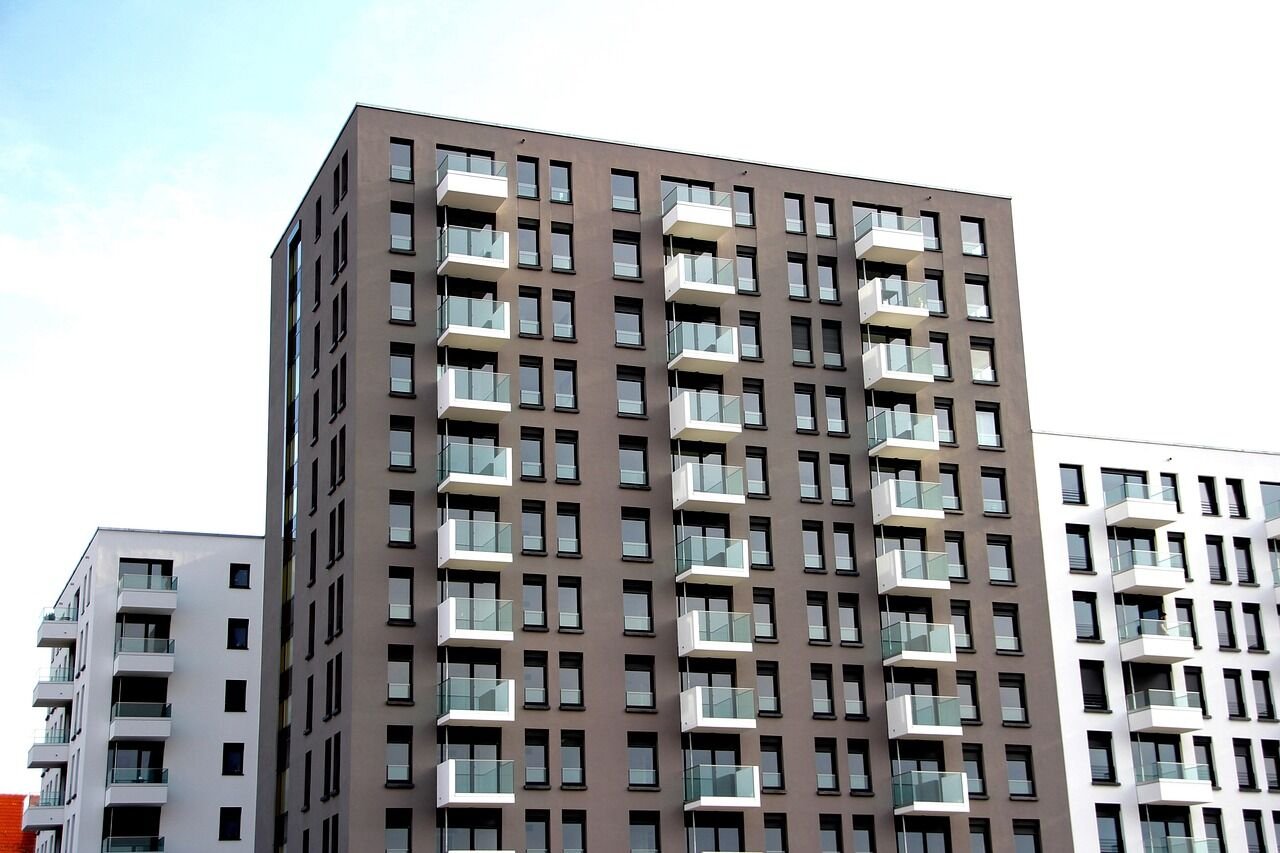
Buying your first home in Miri: Should you rent longer or buy now? This is one of the biggest questions for young adults in Sarawak today. With rising living costs, flexible work arrangements, and more lifestyle choices, the “right time” to buy is no longer as clear as it was for our parents.
In Miri, you’ll hear different advice from everyone – some say “must buy before 30”, others say “better to rent and invest elsewhere”. The truth sits somewhere in between. The best choice depends on your income, savings, lifestyle, and how long you plan to stay in Miri.
Understanding Miri’s Property and Lifestyle Reality
Miri is not as expensive as KL, but for young professionals and newly married couples, property still feels heavy. Many are earning between RM3,000–RM6,000 per month, juggling PTPTN, car loans, wedding costs, and family commitments.
Typical early-career lifestyle in Miri today includes car ownership, weekend cafe hopping, short domestic trips, digital subscriptions, and helping parents. These are all normal, but they directly affect how much you can really afford for a home.
At the same time, property prices are no longer “cheap” like in the 1990s. A realistic range for Miri today (depending on area and condition):
| Property Type | Estimated Price Range (Miri) | Suitable For |
|---|---|---|
| Apartment / Condo (starter home) | RM230,000 – RM380,000 | Singles, young couples, small families |
| Subsale single-storey terrace (outer areas) | RM280,000 – RM400,000 | Couples planning kids, small families |
| New double-storey terrace (popular areas) | RM450,000 – RM700,000+ | Growing families, higher-income buyers |
| Landed in prime areas (near city) | RM600,000 – RM900,000+ | Established professionals, upgraders |
So, should you jump into a mortgage now, or rent and wait? Let’s break it down based on real numbers and lifestyle in Miri.
Renting vs Buying in Miri: What Makes More Sense First?
Renting in Miri can still be quite affordable depending on location and property type. For example, a basic apartment or small terrace house in areas slightly away from the city centre might cost RM800–RM1,200 per month in rent, while rooms in shared houses can be RM300–RM600.
Buying, on the other hand, comes with a long-term commitment. A RM350,000 apartment might mean a monthly mortgage of around RM1,500–RM1,700 for 35 years (depending on interest rate and down payment), plus maintenance fees, repairs, and other costs.
Instead of thinking “renting is wasting money” or “buying is always better”, ask yourself a few practical questions:
- Am I likely to stay in Miri for at least the next 5–7 years?
- Is my job and income stable enough to handle a 30–35-year loan?
- Do I already have emergency savings (3–6 months expenses)?
- Will this mortgage force me to cut back too much on basic lifestyle?
If your job is still uncertain or you might move to Kuching, KL, or overseas, renting gives flexibility. If you’re settled in Miri, have a stable career path, and can comfortably manage a mortgage, buying a first home can make sense.
“Buying a first home is not only about affordability, but also about maintaining long-term financial stability and lifestyle balance.”
Realistic Cost Comparison: Renting vs Buying
Let’s use a simple example for a young couple working in Miri, with a combined income of RM7,000 per month.
Option 1: Renting
They rent a small terrace house or apartment near their workplaces for RM1,000 per month. Other typical monthly expenses might look like:
Car loans: RM1,200
Food & groceries: RM1,500
Utilities & internet: RM300
Lifestyle (eating out, hobbies, shopping): RM800
Parents/Family support: RM500
This totals around RM5,300 per month. They still have around RM1,700 for savings, travel, emergencies, or extra loan repayments (e.g., PTPTN). Renting allows them to build savings faster for a future down payment without too much pressure.
Option 2: Buying a RM350,000 Apartment
Assume they put a 10% down payment (RM35,000) and take a 90% loan for 35 years. Depending on interest rate, their monthly mortgage could be around RM1,600. If the apartment is in a managed building, add maintenance fee, say RM150 per month.
Expenses might now look like:
Mortgage: RM1,600
Maintenance (if apartment): RM150
Car loans: RM1,200
Food & groceries: RM1,500
Utilities & internet: RM300
Lifestyle: RM600 (reduced slightly)
Parents/Family support: RM500
Now their monthly commitments are about RM5,850. Their free cash drops to around RM1,150. It’s still manageable, but less flexible compared to renting.
The lesson: buying earlier is not “wrong”, but you must recognise how it tightens your monthly budget. This affects how often you can travel, how much you can save, and how prepared you are for emergencies.
Hidden Costs of Buying a First Home in Sarawak
Many first-time buyers in Miri focus only on down payment and monthly instalments. But there are several extra costs that can surprise you, especially when buying subsale homes.
Here are some common hidden costs to plan for:
- Legal fees & stamp duty: For both the Sale & Purchase Agreement and loan agreement.
- Valuation fees: For bank valuation of the property, especially subsale units.
- Renovation & basic fittings: Grills, lighting, fans, kitchen cabinets, curtains.
- Moving costs: Transport, new furniture, minor repairs.
- Maintenance & sinking fund (apartments): Monthly payments for common facilities.
- Assessment & quit rent: Annual property-related charges.
For a RM300,000–RM350,000 property, it’s not unusual to need at least RM45,000–RM60,000 upfront when you include down payment, fees, and basic fittings. Young couples in Miri often underestimate this and end up using personal loans or credit cards, which increases long-term financial pressure.
How Much Savings Do You Really Need?
A simple way to estimate your savings target in Miri:
1. Down payment: Usually 10% for first home, unless you get special schemes or developer rebates (more common for new launches than subsale).
2. Legal & related fees: Rough guide: 3–5% of property price, depending on value and whether stamp duty exemptions apply.
3. Basic renovation & furnishing: For an apartment starter home, a minimal but comfortable setup may cost RM15,000–RM30,000 (grills, lights, fans, kitchen cabinets, wardrobe, simple furniture).
So, for a RM320,000 apartment in Miri:
Down payment (10%): RM32,000
Estimated legal & related fees (3–4%): RM9,600 – RM12,800
Basic renovation & furnishing: RM15,000 – RM25,000
You’re realistically looking at RM56,600 – RM69,800 in cash. This is why many early-career couples decide to rent a few more years while building savings.
Understanding DSR and Housing Loan Eligibility
Banks in Sarawak use a concept called Debt Service Ratio (DSR) to decide how much loan to give. DSR is simply the percentage of your income that goes towards debt repayments (car loan, PTPTN, credit cards, personal loans, and the new housing loan).
For example, if your monthly income is RM4,000 and your total monthly debt repayments (including proposed housing loan) is RM1,800, then your DSR is 45%.
Most banks prefer DSR below 60%, but the exact limit depends on income level and bank policy. If you already have heavy car loans or credit card balances, your housing loan amount may be reduced.
A common mistake is buying an expensive car first, then realising it blocks your ability to get a decent housing loan. In Miri, where car is almost a necessity, be careful not to overspend on vehicles if you aim to buy property within the next 3–5 years.
Apartments vs Landed Homes in Miri: Which Suits First-Time Buyers?
For young professionals and newly married couples in Miri, the main debate is usually between apartment starter homes and landed terrace houses (either new or subsale).
Apartment / Condo Starter Homes
Pros: Often more affordable entry price, security, facilities (gym, pool, playground), lower maintenance for the building exterior. Suitable for young couples who like a low-maintenance lifestyle and who work near the city.
Cons: Monthly maintenance fees, smaller built-up, limited parking (depending on project), less privacy compared to landed. For families planning 2–3 kids, the space may feel tight after a few years.
In Miri, apartments near key areas (city centre, Pelita, around Bintang area, or closer to commercial hubs) can be attractive for couples who want to live near workplaces and amenities with shorter commutes.
Landed Terrace (New and Subsale)
Pros: More space, potential for small garden, easier to extend or renovate, no monthly condo maintenance fees. Better for growing families and those who value privacy and space for kids or parents.
Cons: Higher purchase price for good locations, usually further from city centre if looking for cheaper units, more responsibility for repairs (roof, walls, etc.). Utility bills may be slightly higher due to larger space.
Popular neighbourhoods for young couples and first-home buyers in Miri include various terrace house schemes slightly outside the core city: areas around Permyjaya, Senadin, Lopeng, and other growing residential zones. Subsale homes in these areas can sometimes offer better value than brand-new units if you don’t mind some renovation.
Living Near Workplaces vs Cheaper Areas Further Away
Miri is a driving city. Many young adults don’t mind living 15–25 minutes from work if it means a cheaper house. But the cost of petrol, time spent in traffic, and wear-and-tear on your car should also be considered.
When comparing locations, ask:
Is it worth saving RM300–RM400 on mortgage or rent if I spend more on fuel and 1 extra hour daily on the road? For some, yes. For others who value time and convenience, staying nearer to the workplace or key amenities may be better.
Useful mindset: Your first home doesn’t have to be your “forever” home. Many young buyers start with an apartment or smaller terrace house in a convenient area, then upgrade to a larger landed property later when income grows and family size increases.
Balancing Homeownership with Lifestyle
One of the biggest fears young adults in Miri have is: “If I buy a house, I can’t enjoy life anymore.” This doesn’t have to be true if you plan carefully.
Try this approach:
Step 1: Estimate a safe mortgage amount where your total fixed commitments (housing loan + car + other loans) stay within 40–50% of your take-home pay.
Step 2: Keep at least 20–30% of your income for savings and emergency fund.
Step 3: Whatever is left can be used for lifestyle – eating out, travel, hobbies – without guilt.
Common mistake: Stretching to the maximum loan that the bank approves, instead of what actually feels comfortable for your lifestyle. Just because the bank says “you qualify for RM500,000” doesn’t mean you must buy at RM500,000.
Subsale Homes vs New Projects for First-Time Buyers
Many young couples in Miri are attracted to brand-new projects with showhouses and early-bird promotions. These can be good options, but don’t ignore subsale homes (second-hand units).
Advantages of subsale homes:
- Can physically see the actual house, neighbourhood, and condition.
- Sometimes better land size or layout compared to newer, more compact projects.
- Mature areas with established amenities, schools, and shops.
Things to watch out for:
- May require renovation or repairs (roof leaks, repainting, wiring, etc.).
- Older layout might not suit modern lifestyle – smaller kitchen, fewer plug points, etc.
If your budget is tight but you want a landed home, a subsale terrace in a decent area of Miri can be a realistic starting point. Just remember to factor in renovation costs into your financial plan.
FAQs About First Homes in Miri
1. Does renting or buying make more sense for young adults in Miri?
If your career or location is still uncertain, renting often makes more sense in the short term. It gives flexibility and allows you to build savings without locking into a big loan.
If you are quite settled in Miri, have a stable income, and enough savings for down payment and emergency fund, buying a reasonably priced first home can be a good long-term move.
2. Are apartments suitable for young families in Miri?
Yes, apartments can work well for couples and families with one or two small children, especially if you value security, facilities, and a location closer to town. However, space may become tight as children grow older or if you plan to live with parents.
Think about your 5–7-year plan: if you expect your family to grow quickly, consider whether the apartment layout will still be comfortable later.
3. How much savings do I realistically need to buy a first home in Miri?
For many starter homes in the RM250,000–RM350,000 range, aim for at least RM40,000–RM70,000 in savings to cover down payment, legal fees, and basic renovation/furnishing. The more you have, the less you need to depend on personal loans or credit cards, which can strain your finances.
4. What salary range is practical for buying a home in Miri?
As a rough guide, an individual earning RM3,500–RM4,500 with manageable debts might afford a smaller apartment or basic terrace in less central areas. A couple with a combined income of RM6,000–RM8,000 often has more comfortable options among apartments and entry-level terrace houses.
The key is not just salary, but how much of it is already tied up in other loans and your lifestyle spending.
5. Should my first home be for own stay or investment?
For most young adults in Miri, it is usually safer to buy a first home for own stay, in a location that suits your work and daily life. Treating your very first property as a pure investment (far away, no plan to live there) can be risky if rental or resale demand is weaker than expected.
Once your finances are stable and you have built some equity and savings, then you can consider investment properties later.
Final Thoughts: Take Your Time, But Plan Seriously
Owning a home in Miri is still achievable for young professionals and newly married couples, but it requires honest self-assessment. There is no need to rush into buying just because others are doing it. At the same time, ignoring property planning completely can make it harder later.
Look at your real numbers: income, debts, savings, and lifestyle priorities. Explore different property types – apartment starter homes, subsale terraces, and landed properties in emerging areas of Miri and Sarawak. Compare renting vs buying using your own situation, not someone else’s expectations.
Good first-home planning often begins with understanding your financial comfort zone and long-term lifestyle priorities.
This article is for educational and general property awareness purposes only and does not constitute financial, legal, or investment advice.
🏠 Find Property in Miri
- Latest Property For Sale in Miri
- Latest Property For rent in Miri
- New Project Launches in Miri
- Latest Land For Sale in Miri
- Search properties by keys area in Miri
- Property Agent in Miri
- Property Guides & Tips (Malaysia)
⚠️ Disclaimer
This article is provided for general property information and educational purposes only.
It does not constitute legal, financial, or official loan advice.
Information related to pricing, loan eligibility, and property status is subject to change
by property owners, developers, or relevant institutions.
Please consult a licensed real estate agent, bank, or property lawyer before making any
property purchase or rental decisions.
📈 Looking for Ways to Grow Your Savings?
After budgeting or planning your property expenses, explore smarter investing options like REITs and stocks for long-term growth.
📈 Start Trading Smarter with moomoo Malaysia →(Sponsored — Trade REITs & stocks with professional tools)
