
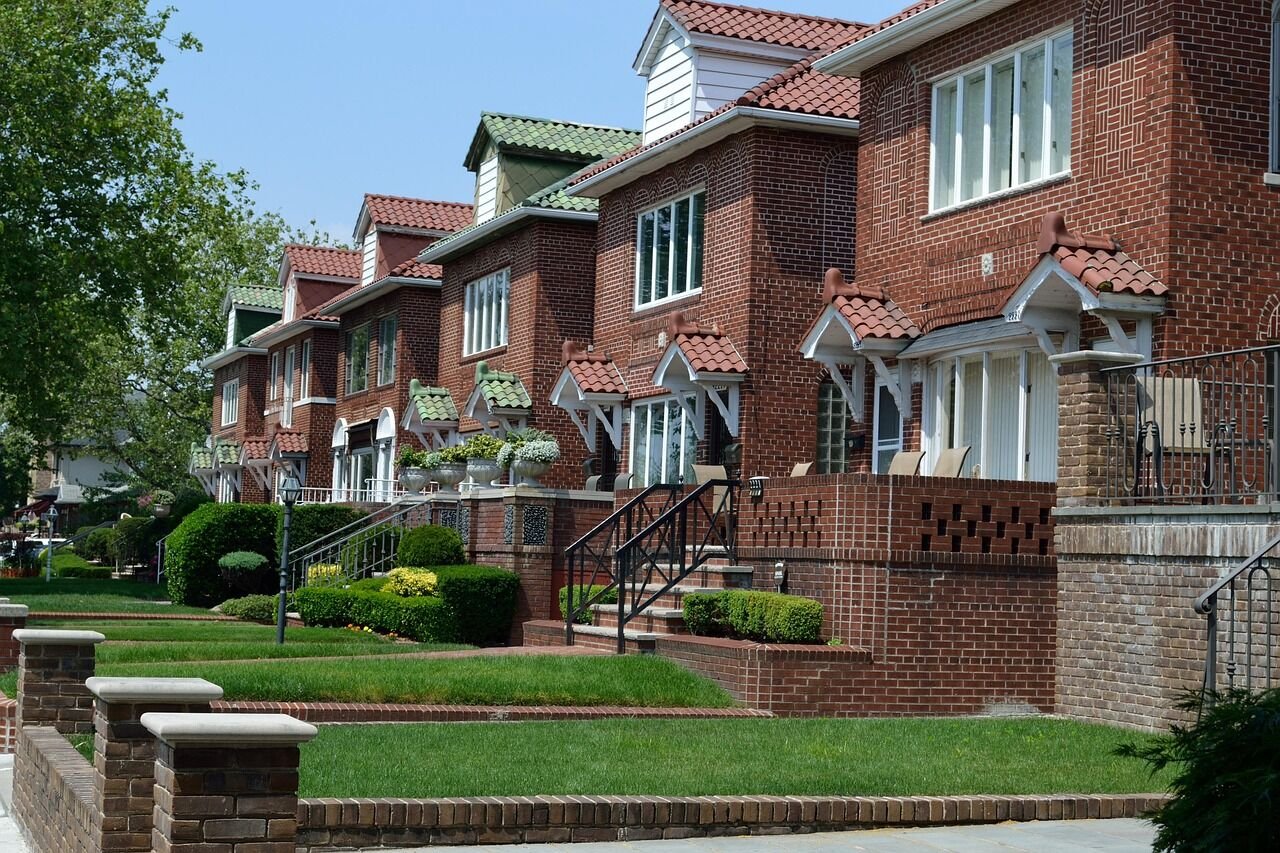
Property, Gold, Shares or Fixed Deposit: Which Investment Makes Sense for Miri and Sarawak Investors?
Investors in Miri and Sarawak often compare property with other common investment choices such as gold, shares, unit trusts, fixed deposits, or small businesses. Each option has different income potential, risk level, entry cost, and management effort. The right choice depends on whether the investor wants regular income, long-term capital growth, capital protection, or flexibility.
For many Malaysians, property remains attractive because it is tangible and can generate rental income. However, property also requires higher capital, longer holding periods, maintenance responsibility, and careful tenant management. A balanced comparison helps investors avoid choosing an asset based only on emotion or short-term market stories.
In Miri, investment decisions are strongly influenced by local economic drivers. The oil and gas industry, government employment, small business activity, infrastructure improvements, and population movement all affect rental demand and capital growth. Understanding these local factors is especially important for buyers comparing residential properties, shoplots, land, gold, shares, or cash-based investments.
“An investment with higher returns often comes with higher risks, management responsibilities, or longer holding periods.”
Understanding the Miri and Sarawak Investment Context
Miri has a unique property market compared with larger Malaysian cities. It is not as speculative as Kuala Lumpur or Penang, but it benefits from steady demand created by oil and gas, education, healthcare, tourism, logistics, and cross-border activity with Brunei. This creates opportunities, but investors must still study location, tenant profile, supply levels, and affordability.
Areas such as Senadin, Permyjaya, Lutong, Marina, and Miri City Centre each serve different segments of the market. Senadin and Permyjaya often attract families, students, and workers looking for more affordable housing. Marina and Miri City Centre appeal more to professionals, expatriates, lifestyle tenants, and businesses seeking central convenience.
Sarawak’s wider development direction also matters. Improvements in roads, utilities, ports, energy projects, and commercial growth corridors may support long-term confidence. However, infrastructure development does not automatically mean every property will rise in value, so investors should avoid assuming that all locations benefit equally.
Key Investment Options to Compare
Before choosing an investment, it is useful to compare the main asset types available to local investors. These include residential property, commercial property, land, gold, shares, unit trusts, fixed deposits, and business investments. Each option plays a different role in wealth building.
- Residential property: Suitable for investors seeking rental income from families, workers, students, or expatriates.
- Commercial property: Potentially higher rental income, but usually higher vacancy risk and tenant dependence.
- Land: Can offer long-term appreciation, but usually produces little or no income while holding.
- Gold: Often used as a store of value, but it does not generate rental or dividend income.
- Shares and unit trusts: Easier to buy and sell, but prices can be volatile.
- Fixed deposits: Lower risk and highly passive, but returns may be modest after inflation.
- Small business investment: Potentially rewarding, but requires active management and carries operational risk.
Comparison Table: Property vs Other Investment Options
| Investment Type | Entry Cost | Income Potential | Capital Growth Potential | Risk Level | Management Effort |
| Residential Property | High deposit, legal fees, stamp duty, loan costs | Moderate recurring rental income | Depends on location, demand, and supply | Moderate, with vacancy and maintenance risks | Moderate |
| Commercial Shoplot | High, usually larger loan commitment | Potentially higher rent than residential | Strong if located in active commercial areas | Moderate to high due to tenant and vacancy risk | Moderate to high |
| Land | Medium to high depending on size and zoning | Usually low or none | Can be good over long periods | Moderate, with liquidity and holding cost risks | Low to moderate |
| Gold | Flexible, can start small | No recurring income | Depends on global price movements | Moderate price volatility | Low |
| Shares or Unit Trusts | Flexible, can start small | Dividends possible but not guaranteed | Can be high, but market-dependent | Moderate to high volatility | Low to moderate |
| Fixed Deposit | Low to moderate | Predictable interest income | Very limited | Low | Very low |
| Small Business | Varies widely | Potentially high if successful | Depends on business performance | High operational risk | High |
Income Potential: Rental Yield, Cashflow, and Recurring Income
Income potential is one of the main reasons investors buy property. Rental yield is calculated by dividing annual rental income by the property purchase price. For example, if a property costs RM400,000 and earns RM1,500 per month, the gross annual rent is RM18,000, giving a gross yield of 4.5%.
However, gross yield does not show the full picture. Investors must also consider loan repayment, maintenance fees, assessment rates, insurance, repairs, agent fees, and vacancy periods. A property can show a positive gross yield but still produce negative cashflow after financing costs.
In Miri, rental income depends heavily on property type and tenant demand. A terrace house in Permyjaya may attract families and working tenants, while a condominium or apartment near Marina or Miri City Centre may appeal to professionals or expatriates. Properties near education institutions, commercial areas, hospitals, or employment centres may enjoy more consistent enquiry.
Compared with property, fixed deposits produce predictable income but usually at lower returns. Shares may produce dividends, but dividend amounts and share prices can change. Gold does not provide rental or dividend income, so investors rely mainly on price appreciation.
What Rental Yield Is Considered Healthy?
A healthy rental yield depends on property type, location, financing cost, and investor expectations. In many Malaysian markets, a gross residential rental yield of around 4% to 6% may be considered reasonable, although this is not a fixed rule. Commercial properties may sometimes offer higher yields, but with higher tenant and vacancy risk.
In Miri, investors should compare rental yield against realistic rental demand. A house that looks cheap may still perform poorly if it is far from employment centres or has weak tenant appeal. On the other hand, a lower-yield property in a stronger location may offer better occupancy and long-term stability.
Net yield is more important than gross yield because it accounts for expenses. Investors should calculate rental income after deducting maintenance, repairs, management costs, quit rent, assessment, service charges, and estimated vacancy. This helps avoid overestimating the actual return.
Capital Growth: Appreciation Potential and Market Demand
Capital growth refers to an increase in asset value over time. Property appreciation is usually driven by location, infrastructure, population growth, employment opportunities, scarcity of land, and improvements in surrounding amenities. In Sarawak, long-term development plans and connectivity improvements may support property values in selected areas.
In Miri, areas close to commercial activity, education centres, medical facilities, and established neighbourhoods may have more stable demand. Miri City Centre benefits from business activity and convenience, while Marina offers lifestyle appeal. Lutong has historical links to oil and gas activity, while Senadin and Permyjaya serve growing residential populations.
Still, capital growth is not automatic. Oversupply, weak rental demand, poor property condition, or slow economic growth can limit appreciation. Investors should avoid buying solely because of expected future price increases without checking current demand and affordability.
Gold and shares may also grow in value, but they behave differently. Gold prices respond to global interest rates, currency movements, inflation concerns, and investor sentiment. Shares are affected by company earnings, economic cycles, and market confidence, which can create both opportunities and volatility.
Risk Factors: Volatility, Liquidity, Maintenance, and Vacancy
Every investment has risk. Property risk is different from stock market risk because prices do not change daily, but property is less liquid. Selling a property in Miri may take months, especially if the asking price is too high or the property has limited buyer demand.
Vacancy risk is one of the biggest concerns for rental property investors. If a unit remains empty for three months, annual income can drop significantly. For example, a property renting at RM1,500 per month loses RM4,500 in income after three vacant months, before considering repair or marketing costs.
Maintenance is another important factor. Houses may require repainting, plumbing repairs, roof maintenance, electrical work, or appliance replacement. Apartments and condominiums may involve service charges and sinking fund payments, even when the unit is vacant.
Commercial properties carry different risks. A shoplot in a strong commercial corridor may provide attractive rental, but if the tenant closes business, the replacement period may be long. Commercial rental demand depends not only on location, but also on business foot traffic, parking, road access, visibility, and surrounding tenant mix.
Entry Costs: Deposit, Financing, Legal Fees, and Transaction Costs
Property usually requires a higher entry cost than gold, shares, or fixed deposits. A buyer may need a 10% deposit, legal fees, stamp duty, loan agreement costs, valuation fees, insurance, and renovation budget. For a RM400,000 property, the initial cash requirement can be significant even before collecting rental income.
Financing can improve purchasing power, but it also increases responsibility. Monthly loan repayments must be paid whether the property is rented or vacant. Rising interest rates can also affect cashflow for borrowers with variable-rate loans.
Other investments may be easier to start. Gold, shares, and unit trusts allow smaller entry amounts and can be accumulated gradually. Fixed deposits are simple and low effort, though the income may not outpace inflation over the long term.
Investors should keep emergency cash reserves before committing to property. A practical reserve may cover several months of loan repayment, maintenance, and vacancy. This reduces pressure to sell quickly or accept unsuitable tenants.
Management Effort: Passive vs Active Investment
Some investments are more passive than others. Fixed deposits are highly passive because they require little monitoring. Unit trusts may also be relatively passive, although investors should still review performance and fees.
Property is semi-active. Owners need to find tenants, handle tenancy agreements, collect rent, respond to repairs, inspect the property, and manage turnover. Hiring an agent or property manager can reduce workload, but it adds cost.
Commercial property may require even more active oversight, especially when negotiating lease terms, renovation approvals, deposits, and tenant fit-out requirements. Land may seem passive, but owners still need to monitor access, zoning, encroachment risks, and holding costs.
Small businesses are usually the most active investment. They may offer strong returns if successful, but they require time, systems, staff, marketing, and daily decision-making. Investors should be honest about whether they want a passive asset or are prepared for operational involvement.
Residential Property in Miri: Opportunities and Limitations
Residential property is often the first property investment for local buyers. In Miri, demand comes from families, government workers, oil and gas employees, students, and private sector workers. Areas such as Permyjaya and Senadin may attract tenants looking for affordability and space.
The advantage of residential property is that shelter is a basic need. Even during slower economic periods, people still need places to live. This can make residential rental demand more stable than some commercial segments.
The disadvantage is that rental yields may be moderate after expenses. Maintenance can also be frequent, especially for older houses. Investors should inspect property condition carefully and budget for repairs before calculating expected returns.
Commercial Property and Shoplots: Higher Potential, Higher Tenant Risk
Shoplots can be attractive because rental income may be higher than residential rent. A well-located shoplot in a busy commercial area near Miri City Centre, Marina, Lutong, or a growing township can benefit from business activity. Tenants may include restaurants, clinics, offices, retail shops, or service providers.
However, commercial property is more sensitive to business conditions. If the tenant’s business struggles, rental collection may become difficult. Vacancy periods can also be longer because fewer tenants can afford or justify a commercial lease.
Commercial investors should study parking availability, road frontage, visibility, surrounding businesses, and foot traffic. They should also understand lease terms, renovation responsibilities, and the possibility of tenant turnover. A higher rental yield is useful only if the rental can be collected consistently.
Land Investment: Long-Term Potential but Limited Income
Land can be attractive for investors who want long-term capital growth. In Sarawak, land scarcity in selected strategic areas, infrastructure development, and future zoning changes may influence long-term value. Some investors prefer land because it does not suffer from building wear and tear in the same way as houses.
The main limitation is that land often produces little or no income. Owners may still need to pay quit rent, assessment, clearing costs, fencing, or security expenses. If the investor relies on cashflow, land may not be suitable unless there is a clear plan for development, leasing, or future sale.
Liquidity is another issue. Selling land can take time because buyers must consider location, access, zoning, land title, and development potential. Investors should understand land category, restrictions, access roads, and legal status before purchase.
Gold: Store of Value but No Rental Income
Gold is popular because it is tangible, globally recognised, and can act as a store of value during uncertain times. It is easier to start with smaller amounts compared with property. Investors can also sell gold more quickly than selling a house, depending on the form of gold held.
The disadvantage is that gold does not generate recurring income. Its return depends on the price when sold, after considering spread, storage, and transaction cost. If the price remains flat for years, the investor receives no rental or dividend while waiting.
Gold may be useful as part of a diversified portfolio, but it serves a different purpose from property. Property can produce rent and may appreciate, while gold mainly protects or grows capital through price movement. Comparing them requires understanding this difference.
Shares and Unit Trusts: Liquidity and Volatility
Shares and unit trusts offer accessibility and diversification. Investors can start with smaller amounts and buy into different companies, industries, or markets. Some shares and funds may pay dividends, providing income potential.
The main risk is volatility. Prices can move quickly due to company performance, economic news, global market sentiment, or interest rate changes. Investors who panic during downturns may sell at a loss.
Compared with property, shares are more liquid but less tangible. Property may feel more stable because market prices are not quoted daily, but that does not mean property has no risk. Each asset simply expresses risk in a different way.
Fixed Deposits: Safety and Simplicity
Fixed deposits are often chosen for capital preservation and predictable interest income. They are easy to understand and require minimal management. For conservative investors or emergency funds, fixed deposits can play an important role.
The limitation is lower long-term growth. If inflation rises faster than deposit interest, purchasing power may weaken over time. Fixed deposits may protect capital in nominal terms, but they may not build wealth quickly.
For property investors, fixed deposits can still be useful. Keeping cash reserves in safe instruments helps cover vacancy periods, repairs, and loan repayments. This improves financial resilience and reduces investment stress.
Realistic Scenario: Comparing Property and Non-Property Returns
Assume an investor buys a Miri residential property for RM400,000 and rents it for RM1,500 per month. The gross annual rent is RM18,000, or 4.5% gross yield. After deducting maintenance, assessment, insurance, minor repairs, and one month of vacancy, the net yield may be closer to 3% to 4%, depending on financing.
If the investor uses a loan, cashflow may be tight in the early years. The monthly rent may not fully cover instalment and expenses, especially when interest rates are high. However, part of the loan repayment reduces principal over time, which can support long-term wealth building.
By comparison, a fixed deposit may provide simpler income with lower risk but limited capital growth. Shares may deliver stronger long-term growth in some periods but can experience sharp short-term declines. Gold may rise during uncertain periods but does not provide recurring cashflow.
This example shows why investors should compare total return, not just headline yield. Total return includes rental income, capital growth, financing cost, holding expenses, taxes, and selling costs. A property that looks profitable on paper may perform differently after real-world costs.
🏠 Find Property in Miri
⚠️ Disclaimer
This article is provided for general property information and educational purposes only.
It does not constitute legal, financial, or official loan advice.
Information related to pricing, loan eligibility, and property status is subject to change
by property owners, developers, or relevant institutions.
Please consult a licensed real estate agent, bank, or property lawyer before making any
property purchase or rental decisions.
📈 Looking for Ways to Grow Your Savings?
After budgeting or planning your property expenses, explore smarter investing options like REITs and stocks for long-term growth.
📈 Start Trading Smarter with moomoo Malaysia →(Sponsored — Trade REITs & stocks with professional tools)
