
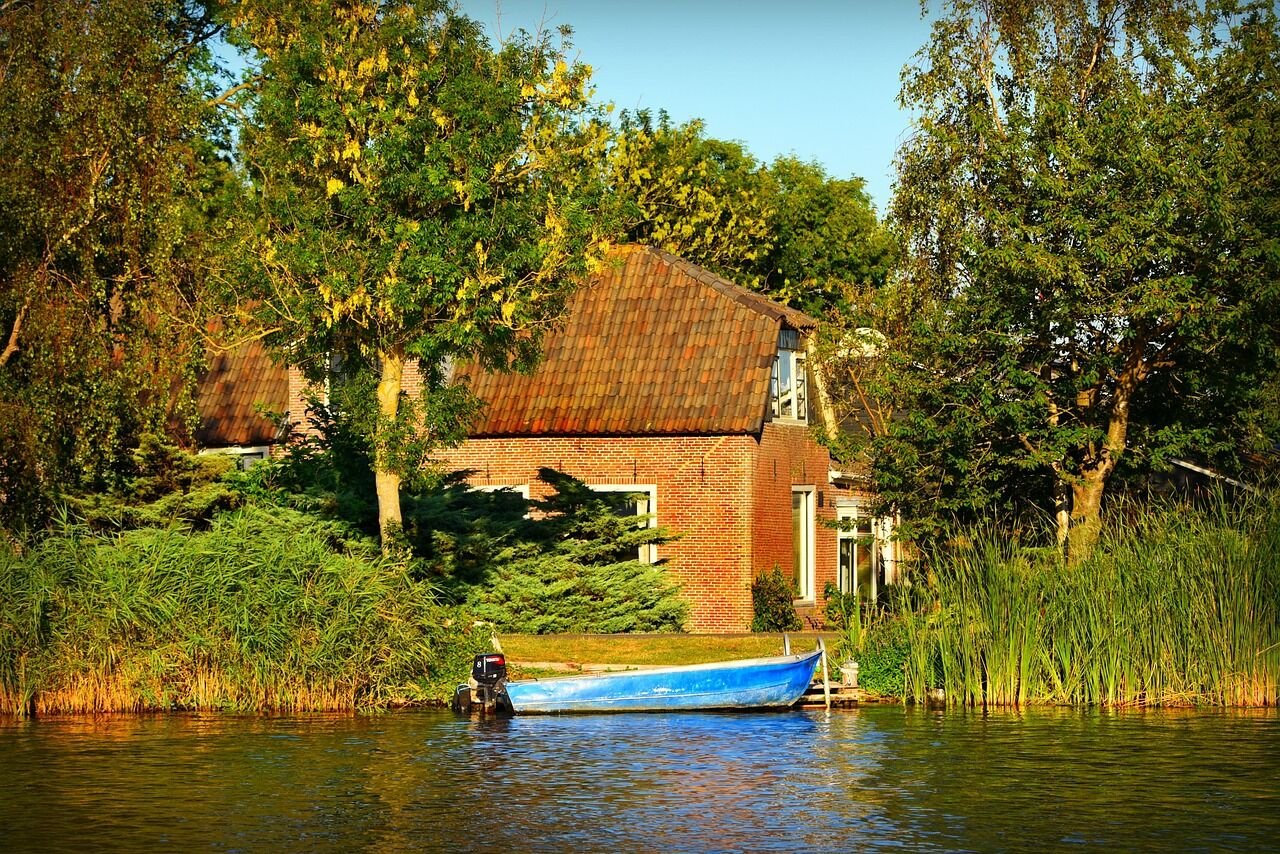
Balancing Lifestyle and Homeownership: A Realistic Guide for Young Buyers in Miri
For many young adults in Miri, buying a first home feels like a big “adulting” milestone. At the same time, you still want to enjoy weekend café hopping at Marina, short getaways to Borneo Highlands or Brunei, and the freedom to change jobs if better opportunities come up.
This creates a real tension: how do you balance homeownership with the lifestyle you want in your 20s and early 30s, especially with rising costs in Sarawak?
This guide looks at the realities of buying a first home in Miri, practical numbers, and how you can make a decision that fits both your finances and your lifestyle.
“Buying a first home is not only about affordability, but also about maintaining long-term financial stability and lifestyle balance.”
Understanding Miri’s Cost of Living and Property Landscape
Compared to Kuching or KL, Miri’s cost of living is still relatively moderate, but it has been creeping up, especially for food, petrol and entertainment. Many young professionals here earn between RM2,500–RM6,000, depending on industry, with oil & gas and engineering on the higher end.
Popular areas for young couples and first-time buyers in Miri include places like Taman Tunku, Permyjaya, Senadin, Desa Indah and some apartment developments closer to the city centre. Many start with apartment starter homes before upgrading to landed properties when their income and family size grow.
Broadly, Miri’s first-home options today look like this:
| Property type | Typical price range (Miri) | Suitable for |
|---|---|---|
| Walk-up / basic apartment (subsale) | RM180,000 – RM280,000 | Single professionals, very young couples, tight budgets |
| Newer apartment / condo (selected areas) | RM260,000 – RM380,000 | Couples who value security & facilities, smaller families |
| Single-storey terrace (fringe areas) | RM320,000 – RM450,000 | Young families planning kids, prefer more space |
| Double-storey terrace (popular schemes) | RM450,000 – RM650,000 | Higher-income couples, longer-term family home |
These are rough ranges, but they give you a starting point when thinking about your budget and how it fits with your lifestyle spending.
Renting vs Buying in Miri: Which Makes Sense First?
For young adults in Miri, renting is not always “wasting money”. In many cases, it can be a smart financial and lifestyle strategy before committing to a 30–35 year loan.
When Renting Makes More Sense
Consider renting if you:
- Expect job changes – e.g. contracts in oil & gas, chances of relocation, or planning to work overseas in a few years.
- Have unstable income – commissions, early-stage business, or frequent job hopping where income proof for housing loans is still weak.
- Have minimal savings – you can afford rent but not a proper emergency fund and down payment yet.
- Value location flexibility – you want to try living near town (Marina, Boulevard area) first before deciding where to settle.
In Miri, a basic apartment can be rented from around RM700–RM1,200 per month depending on location and furnishing, while a landed terrace might cost RM1,200–RM1,800 in popular areas.
If your goal is to build savings quickly, renting a modest unit and controlling lifestyle spending can help you accumulate your first RM20,000–RM40,000 faster than jumping into a mortgage too early.
When Buying Starts to Make Sense
Buying becomes reasonable when you:
1. Have a stable job or income, with at least 1–2 years of consistent payslips or company accounts.
2. Can comfortably handle a 10% down payment + entry costs without wiping out all your savings.
3. Have a clear plan to stay in Miri long term – for family, career or lifestyle reasons.
4. Are ready to adjust parts of your lifestyle (less impulsive shopping, fewer big-ticket holidays) without feeling financially suffocated.
For some, that point is in their late 20s. For others, it may only be in their early or mid-30s. There is no “too late” for a first home as long as the numbers work for you.
Apartments vs Landed Homes for First-Time Buyers
In Miri, many first-time buyers face this question: start with an apartment, or stretch to a terrace house further out from town?
Apartment Starter Homes
Apartment living can be very practical for young professionals or newly married couples, especially near town or workplaces. You may be closer to amenities like shopping centres, workplaces, gyms and food options.
Pros:
1. Usually lower purchase price than landed homes.
2. Often better security and basic facilities (gated, sometimes a small playground).
3. Lower maintenance work – no gardening or exterior repairs.
Cons:
1. You pay monthly maintenance fees (commonly RM80–RM200+ depending on facilities).
2. Less space for future children, pets or extended family.
3. Limited renovation flexibility compared to landed properties.
Landed Properties (Terrace Houses)
Terrace homes, especially in areas like Permyjaya, Taman Tunku or Senadin, are popular among young families. A single-storey terrace might start from about RM320,000 in some schemes, but double-storey plus better locations will push the price higher.
Pros:
1. More space for growing families, storage and hosting relatives.
2. Land value potential in the long term, depending on area.
3. Easier to modify and renovate to suit your lifestyle.
Cons:
1. Higher price and loan amount, increasing your monthly commitment.
2. Usually further from town, meaning more petrol and commuting time.
3. Maintenance of roof, paint, gate, porch all on you, with irregular but sometimes heavy costs.
For first homes, many buyers in Miri choose apartments or more affordable single-storey terraces, then upgrade later when income and family size grow.
The Real Upfront Costs: Down Payment, Legal Fees and More
Many first-time buyers in Sarawak focus only on the “10% down payment” but underestimate other entry costs. This can cause financial stress just after getting the keys.
For a RM350,000 home in Miri, here’s a simplified breakdown:
1. Down payment (10%)
RM35,000 (if the bank finances 90%)
2. Legal fees & stamp duty (SPA & loan agreement)
Rough estimate: RM8,000–RM12,000 depending on loan amount and whether there are developer rebates or government incentives.
3. Valuation fees (for subsale homes)
Maybe RM800–RM1,500 depending on bank and property price.
4. Moving-in and basic furnishing
For a simple setup (fans, lights, basic furniture, some appliances), at least RM8,000–RM15,000 if you are careful with spending.
Realistically, for a RM350,000 property, you might want to have at least RM50,000–RM60,000 total savings if you don’t want to be overly stretched. This also gives you some buffer for emergencies.
Hidden (But Common) Costs First-Time Buyers Overlook
- Renovations – grills, kitchen cabinets, curtains, minor tiling or plaster ceiling can quickly add RM10,000–RM30,000.
- Connection fees – utilities like electricity, water, internet setup.
- Moving costs – lorry, manpower, and time off work.
- Maintenance fees and sinking fund for apartments or gated communities.
- Annual charges – assessment tax, quit rent and, for strata units, yearly maintenance commitments.
Planning these into your budget helps avoid using personal loans or high-interest credit cards just to “finish” your new home.
Monthly Mortgage Commitments and DSR: Keeping It Safe
Most banks in Malaysia look at your Debt Service Ratio (DSR) before approving a loan. In simple terms, DSR is the percentage of your monthly income used to pay loan instalments (housing, car, personal loans, credit cards).
Example:
You earn RM4,000 per month (net). Your current loans are:
Car loan: RM700
PTPTN: RM200
Credit card minimum: RM100
Total existing commitments: RM1,000
If your housing loan instalment is RM1,200, total monthly commitments become RM2,200. DSR = RM2,200 / RM4,000 = 55%.
Many banks are more comfortable when your DSR is below 60%, but this depends on income level and bank policy. For your personal comfort, it is wiser to keep your total instalments closer to 40%–50% of net income, so you can still afford daily life and savings.
Rough Mortgage Estimate for Miri Buyers
As a broad guide, assuming a 35-year loan at around 4%–4.5% interest:
– RM250,000 property: monthly instalment around RM1,100–RM1,200
– RM350,000 property: around RM1,500–RM1,700
– RM450,000 property: around RM1,900–RM2,200
Combine this with your car and other loans, then compare against your net income. If paying the loan means cutting out all lifestyle spending, it may be too early or the property may be too expensive for now.
Lifestyle Spending vs Homeownership: Finding Your Balance
Early-career lifestyle in Miri usually includes petrol (often RM250–RM400 a month if commuting from further areas), weekend meals out, occasional travel, phone bills, gym, and online shopping. These expenses are part of life, but they can silently eat up your ability to save for a deposit.
Some realistic monthly budgets for a young professional in Miri might look like:
Income: RM3,500 (net)
– Room rental: RM500
– Car loan & petrol: RM1,000
– Food & groceries: RM800
– Bills & phone: RM200
– Lifestyle & shopping: RM400
– Savings: RM600
In this situation, it may be better to rent cheaply and save aggressively for a few years before buying. Trying to squeeze in a RM1,500 home loan here would likely cause stress and debt issues.
On the other hand, for a couple earning, say, RM3,500 + RM4,000 (combined RM7,500 net), buying a RM350,000 apartment or terrace and sharing responsibilities may be more comfortable, as long as they both agree on spending priorities.
The key is honest, detailed budgeting – not just guessing that “we should be okay”. Track your real spending for 3–6 months before committing to a long-term loan.
Subsale vs New Projects: Which Is Better for First Homes?
Subsale homes (buying from existing owners) and new developer projects both have pros and cons for first-time buyers in Miri.
Subsale homes:
– Often come with basic renovations and fittings (grills, fans, built-in kitchen), saving you upfront costs.
– You can see the actual neighbourhood, traffic, and condition of the house.
– But, you pay full legal and stamp duty costs yourself, and some houses may require repairs.
New projects (from developers):
– Sometimes offer rebates, legal fee absorption, or low entry packages.
– Brand new units with modern layout, but you usually need to spend more on renovation and fittings.
– Area may be less mature with fewer shops and schools in the beginning.
For practical first homes in Miri, many young couples seriously consider subsale apartments or terrace houses as they can move in faster and avoid some renovation costs.
Living Near Workplaces vs Cheaper Outskirts
With Miri’s layout, many jobs are clustered around town, industrial areas, and the oil & gas belt. You may face a choice between:
– A smaller, more expensive apartment closer to work and city life, or
– A larger, more affordable landed house further out (for example, Permyjaya, Senadin or beyond).
When deciding, consider:
1. Commuting costs – petrol, toll-free but time spent in traffic, and car wear and tear.
2. Daily schedule – long commutes may reduce your time for family, rest and side income activities.
3. Lifestyle needs – if you enjoy city-based activities, living very far away may feel inconvenient.
Sometimes, paying slightly more for a better location can improve your quality of life and reduce certain expenses. Other times, a further but bigger house makes sense if you are already focused on family life and have kids in school nearby.
FAQs for First-Time Buyers in Miri
1. Should I rent first or buy as soon as I can?
If your income is still unstable, your savings are low, or you are unsure about staying in Miri long term, renting first is usually wiser. Use that period to build up savings, improve your credit record, and test different locations to see where you truly want to settle.
If you already have stable income, decent savings, and a clear plan to stay here, then buying within your budget can help you lock in housing costs for the long term.
2. Are apartments suitable for young families in Miri?
Yes, many young families in Miri start in apartments, especially if they value security and being nearer to workplaces and schools. The main things to consider are space (number of rooms), playground or nearby parks, and whether you are comfortable with the monthly maintenance fees.
As children grow older or parents move in, you may later choose to upgrade to a landed property, but an apartment can be a very practical first step.
3. How much savings do I realistically need to buy a first home here?
For a modest apartment around RM250,000, many buyers aim for at least RM30,000–RM40,000 to cover 10% down payment, legal fees and basic move-in costs. For a RM350,000 property, having RM50,000–RM60,000 is more comfortable.
This is a general guide – your exact number depends on whether there are developer rebates, whether you choose heavy renovations, and how much emergency savings you want to keep aside.
4. What salary range is practical for buying in Miri?
As a very rough guide, a single person earning RM3,500–RM4,500 net might start with an apartment or smaller subsale unit. Couples with combined net income of RM6,000–RM8,000 often have more flexibility to consider terrace houses, provided they do not have too many other loans.
The key is not the salary number alone, but your total commitments (car, personal loans, credit cards) and how much you want to keep for lifestyle and savings after paying the housing loan.
5. Should my first home be for own stay or for investment?
For most young buyers in Miri, the first home is better treated as a place to live safely and comfortably rather than a “quick investment”. Rental and capital gains in smaller cities can be slower and more unpredictable.
Once your own-stay home and finances are stable, you can slowly explore property investment as a separate decision, with proper research and risk awareness.
Final Thoughts: Building a Home Without Losing Your Life
🏠 Find Property in Miri
- Latest Property For Sale in Miri
- Latest Property For rent in Miri
- New Project Launches in Miri
- Latest Land For Sale in Miri
- Search properties by keys area in Miri
- Property Agent in Miri
- Property Guides & Tips (Malaysia)
⚠️ Disclaimer
This article is provided for general property information and educational purposes only.
It does not constitute legal, financial, or official loan advice.
Information related to pricing, loan eligibility, and property status is subject to change
by property owners, developers, or relevant institutions.
Please consult a licensed real estate agent, bank, or property lawyer before making any
property purchase or rental decisions.
📈 Looking for Ways to Grow Your Savings?
After budgeting or planning your property expenses, explore smarter investing options like REITs and stocks for long-term growth.
📈 Start Trading Smarter with moomoo Malaysia →(Sponsored — Trade REITs & stocks with professional tools)
