
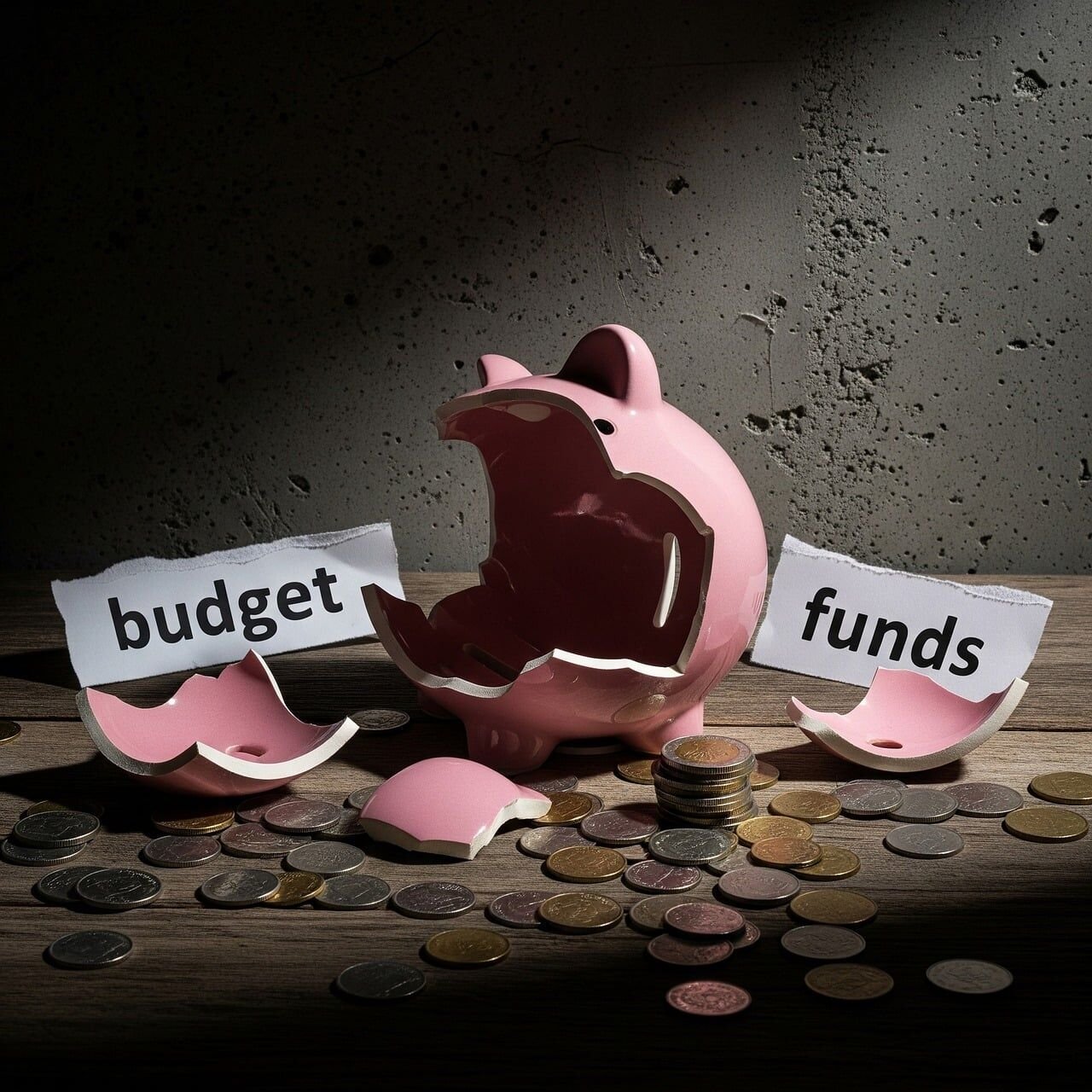
How Miri Homeowners Can Protect Cash Flow During Job Loss
Losing a job can quickly turn a comfortable household budget into a stressful cash flow problem, especially for homeowners in Miri who still have housing loan repayments, utility bills, car loans, school expenses, and family commitments to manage.
The financial risk is not only the loss of monthly income. It is the chain reaction that follows: missed mortgage payments, credit card debt, delayed maintenance, cancelled medical protection, and pressure to withdraw long-term savings too early.
This guide explains how Miri homeowners can protect cash flow during job loss using practical financial protection strategies. It is not just about buying insurance. It is about building a financial safety net through emergency savings, debt management, income protection, health protection, property planning, and regular review.
A strong financial safety net is not built during a crisis; it is built before income is interrupted.
Why Job Loss Is a Bigger Risk for Homeowners
Renters may be able to move to a lower-cost place if income drops. Homeowners usually have less flexibility because the home loan remains payable, regardless of employment status.
For Miri homeowners, monthly commitments may include:
- Housing loan repayment
- Fire insurance or home insurance
- Assessment tax and quit rent, where applicable
- Maintenance and repair costs
- Renovation loan or personal loan repayments
- Car loan, petrol, and transport expenses
- Family living costs
- Medical card or insurance premiums
- Children’s education expenses
When income stops, even a household with good earnings can experience pressure within one or two months if there is no emergency fund or backup plan.
This is why financial protection Malaysia discussions should include job loss planning as part of homeownership, not only insurance protection or investment returns.
The Main Cash Flow Risks During Job Loss
1. Housing Loan Arrears
The housing loan is usually one of the largest monthly commitments. Missing repayments may lead to late payment charges, negative credit history, and possible legal action if the situation is not managed early.
Homeowners should contact their bank before missing multiple payments. Depending on the bank’s assessment and current policies, options may include temporary restructuring, rescheduling, or other assistance. Terms vary and should be verified directly with the bank.
2. High-Interest Debt
Credit cards and personal loans can become dangerous during unemployment. If household expenses are paid with credit cards without a repayment plan, the debt may grow quickly.
Debt management is a major part of financial security. During job loss, the goal is to preserve cash flow and avoid turning a temporary income shock into long-term debt pressure.
3. Loss of Medical Protection
Some employees rely heavily on employer medical benefits. After job loss, company medical coverage may stop. If the household has no personal medical card or health protection, one hospitalisation can create another financial burden.
Coverage depends on the specific policy terms, conditions, limits, exclusions, waiting periods, and eligibility. Homeowners should understand what protection continues after employment ends.
4. Emergency Home Repairs
A leaking roof, faulty wiring, broken water pump, or plumbing issue may not wait until income recovers. Landed homeowners in Miri, especially those with older houses, should expect occasional repair costs.
Property protection is not only about insuring against fire or major damage. It also includes keeping enough cash for repairs so the home remains safe and liveable.
5. Pressure to Use EPF / KWSP Savings
EPF savings are meant mainly for retirement planning. While certain withdrawals may be available under permitted circumstances, using retirement money too early can affect long-term financial security.
During job loss, homeowners should review all available options before depending heavily on retirement funds.
Who Is Most Exposed?
Job loss affects households differently. Some homeowners have strong savings, manageable debt, and multiple income sources. Others are more vulnerable.
Miri homeowners may be more exposed if they:
- Have less than three months of essential expenses saved
- Use more than 40% to 50% of income for loan repayments
- Depend on one income earner
- Have young children or elderly parents to support
- Recently bought or renovated a house
- Rely fully on employer medical benefits
- Have irregular income from contract work, freelancing, or self-employment
- Own rental property with vacant units or unreliable tenants
Being exposed does not mean the household has failed financially. It simply means the protection plan needs strengthening.
A Cash Flow Protection Framework for Miri Homeowners
Financial planning Malaysia discussions often focus on saving, investing, or buying property. However, homeowners also need a defensive plan. The following framework can help households prepare before job loss happens.
1. Build an Emergency Fund Based on Essential Expenses
An emergency fund is cash set aside for unexpected situations such as job loss, urgent repairs, medical expenses, or family emergencies.
For homeowners, the fund should not be based only on groceries and utilities. It should include essential property commitments.
Consider including:
- Housing loan instalment
- Basic food and household supplies
- Utilities and internet
- Car loan or essential transport costs
- Insurance or takaful premiums that must continue
- School-related essentials
- Minimum debt repayments
- Basic home maintenance allowance
Some households aim for three to six months of essential expenses. Households with one income earner, self-employed income, or high property commitments may prefer a larger buffer, depending on circumstances.
2. Separate Emergency Savings from Daily Spending
Keeping emergency money in the same account used for daily spending can make it easy to accidentally use it.
A practical approach is to separate cash into:
- Operating account: salary, bills, groceries, and monthly expenses
- Emergency account: job loss and urgent financial needs
- Property reserve: repairs, maintenance, assessment, and home-related costs
The emergency account should be accessible, but not too convenient for casual spending. Avoid placing all emergency savings into investments that may fall in value or take time to liquidate.
3. Reduce Cash Flow Leaks Before Trouble Starts
Many households only review expenses after income stops. A better approach is to identify cash flow leaks while still employed.
Common leaks include:
- Unused subscriptions
- Excessive food delivery spending
- Multiple small instalment plans
- Frequent credit card rollover balances
- Renovation upgrades funded by short-term debt
- Car expenses that are too high for the household budget
Small savings matter because they extend the time a household can survive without income.
4. Review Debt Priority
Not all debts carry the same risk. Housing loans, car loans, credit cards, and personal loans affect cash flow differently.
During normal times, homeowners can consider reducing high-interest unsecured debt faster. During job loss, the priority may shift to preserving cash while keeping essential obligations current.
If unemployment happens, contact lenders early. Avoid waiting until arrears become serious.
Comparison: Emergency Fund vs Insurance During Job Loss
Emergency savings and insurance protection both support financial security, but they play different roles. One should not be confused with the other.
| Protection Tool | What It Helps With | Limitations | Why Homeowners Need to Review It |
|---|---|---|---|
| Emergency Fund | Covers daily expenses, housing loan payments, utilities, groceries, and temporary income gaps | Can be depleted if unemployment lasts too long or expenses are too high | Homeowners have fixed property commitments that continue even without income |
| Medical Card | May help with eligible hospitalisation and medical treatment costs | Coverage depends on policy terms, limits, exclusions, waiting periods, and claim approval | Employer medical benefits may stop after job loss |
| Life Insurance / Family Protection | Provides financial support to beneficiaries if the insured person passes away, subject to policy terms | Does not usually replace short-term job income unless specific riders or benefits apply | Families with dependants and housing loans need to understand existing coverage |
| Critical Illness Protection | May provide a payout upon diagnosis of covered illnesses, subject to policy conditions | Not all illnesses are covered; definitions and waiting periods apply | A serious illness can affect ability to work and repay property loans |
| Mortgage Protection | May help settle or reduce housing loan burden in specific events such as death or total permanent disability, depending on product structure | May not cover job loss; coverage depends on policy wording | Homeowners should know whether protection follows the loan, person, or policy terms |
Illustrative Example: A Miri Household Facing Job Loss
Illustrative example: A couple in Miri owns a landed house with a monthly housing loan repayment of RM1,800. Their total essential monthly expenses, including groceries, utilities, transport, school costs, medical card premiums, and minimum debt payments, are RM5,200.
One spouse loses employment. Household income drops from RM7,500 to RM3,800.
Without planning, the shortfall is RM1,400 per month. If they use credit cards to cover the gap, debt may grow. If they stop medical coverage, they may expose the family to health-related financial risk. If they miss housing loan payments without contacting the bank, the problem may become more serious.
A better approach would be to:
- Calculate the new monthly shortfall immediately
- Cut non-essential spending for at least three to six months
- Use emergency savings carefully based on a written plan
- Contact the bank early if housing loan stress is expected
- Keep essential medical protection active where affordable
- Explore temporary income such as contract work, freelance work, or rental of spare space if suitable
- Delay non-urgent renovation or lifestyle upgrades
This example is not a rule for every household. It shows how job loss becomes manageable when cash flow decisions are made early.
Practical Steps to Protect Cash Flow Before Job Loss Happens
Step 1: Know Your Survival Number
Your survival number is the minimum monthly amount your household needs to stay financially stable.
It should exclude luxury spending but include necessary obligations.
For homeowners, calculate:
- Housing loan
- Food
- Utilities
- Transport
- Insurance or takaful premiums you intend to maintain
- Childcare or school essentials
- Loan minimum repayments
- Basic property maintenance
If your survival number is RM4,500, then a six-month emergency fund target may be RM27,000. This is an illustrative calculation, not a universal recommendation.
Step 2: Create a Job Loss Budget in Advance
A job loss budget is a reduced spending plan that activates when income drops.
Prepare two versions:
- Level 1: mild income disruption for one to three months
- Level 2: serious disruption lasting more than three months
Level 1 may involve reducing dining out, subscriptions, travel, and shopping. Level 2 may require bigger decisions such as pausing non-essential contributions, renegotiating repayments, renting out a room, or selling unused assets.
Step 3: Review Your Housing Loan Buffer
If your mortgage is already difficult while employed, job loss will intensify the pressure.
Review:
- Current outstanding loan amount
- Monthly instalment
- Interest rate structure
- Remaining tenure
- Whether refinancing is realistic
- Whether you have mortgage protection
- Whether your bank offers hardship assistance, subject to current policy
Any refinancing or restructuring decision should be assessed carefully because it may affect total interest cost, loan tenure, and future commitments.
Step 4: Avoid New Debt for Lifestyle Upgrades
Before taking renovation loans, furniture instalments, or personal loans, ask whether the household could still manage if one income stopped.
This is especially important for new homeowners in Miri who may be tempted to fully furnish, renovate, landscape, or upgrade immediately after getting the keys.
A beautiful home should not weaken the household’s financial safety net.
Step 5: Maintain Health Protection Where Possible
If a household loses income, insurance premiums may feel like an easy expense to cut. However, cancelling protection without understanding the consequences can be risky.
Before cancelling or reducing any policy, consider reviewing:
- What benefits are covered
- Whether there are waiting periods if buying again later
- Whether health changes may affect future eligibility
- Whether a lower-cost adjustment is possible
- Whether employer benefits still apply after termination
An appropriately licensed insurance or financial planning professional can help explain options. Coverage always depends on the policy terms and exclusions.
Property-Specific Planning for Miri Homeowners
Set Aside a Home Maintenance Reserve
Emergency funds are for income shocks. A home maintenance reserve is for predictable property wear and tear.
For landed homes, maintenance may include roof repairs, gate motor replacement, plumbing, wiring, repainting, termite treatment, and drainage issues.
For strata properties, owners may need to budget for maintenance fees, sinking fund, special levies, and repairs inside the unit.
Homeowners who mix all savings into one account may accidentally spend money meant for property upkeep.
Understand Home Insurance
Basic fire insurance is commonly associated with housing loans, but homeowners should understand what is and is not covered.
Depending on the policy, protection may differ for fire, flood, theft, contents, renovation damage, liability, and other risks. Always check the specific terms, exclusions, and limits.
For readers researching this topic further, useful internal-link opportunities on miriproperty.com.my may include Home Insurance, Mortgage Protection, Property Buying Guides, and Home Maintenance.
Do Not Depend Fully on Rental Income
Some homeowners or property investors depend on rental income to cover loan instalments. This can work well when the property is occupied and tenants pay on time. But rental income is not risk-free.
Cash flow can be affected by:
- Vacancy periods
- Late rental payments
- Repair requests
- Agent fees
- Assessment and maintenance costs
- Tenant disputes
Landlords should maintain a rental reserve separate from personal emergency savings.
Income Protection Beyond Insurance
Income protection is often misunderstood as only an insurance product. In reality, it includes any strategy that reduces dependence on a single salary.
For Miri homeowners, income protection may include:
- Keeping skills updated for employability
- Maintaining professional networks
- Building a side income carefully without excessive capital risk
- Having a spouse or family income plan
- Keeping a strong emergency fund
- Reviewing insurance that protects against illness, disability, or death
- Understanding SOCSO / PERKESO benefits if eligible
SOCSO / PERKESO benefits, eligibility, and claim rules should be checked against current official sources, as details may change.
Common Mistakes Homeowners Make During Job Loss
When income stops, emotional decisions can cause long-term damage. Avoid these common mistakes:
- Waiting too long to speak to the bank: Early communication may provide more options.
- Using credit cards as an income replacement: This can create expensive debt.
- Cancelling all protection immediately: Review consequences before stopping policies.
- Ignoring small expenses: Small recurring payments can drain cash flow.
- Withdrawing retirement savings too quickly: Consider long-term EPF / KWSP impact.
- Taking new loans without a repayment plan: Extra borrowing may worsen stress.
- Delaying job search or income replacement: Cash reserves are limited.
When Professional Advice May Be Useful
Not every situation requires professional advice, but it may be helpful if:
- You are already behind on housing loan payments
- Your debts are larger than your savings
- You are unsure which insurance policies to keep
- You are considering refinancing or restructuring
- You own multiple properties
- Your family depends fully on your income
- You are thinking of using EPF savings
- You are self-employed and have irregular income
A licensed financial planner, bank officer, tax adviser, insurance adviser, or debt management professional may provide different types of support depending on the issue. Always verify credentials and understand any fees or commissions involved.
Financial Protection Checklist for Homeowners in Miri
Use this checklist as a starting point for reviewing your household cash flow resilience.
- Calculate your monthly survival number.
- Build or rebuild an emergency fund based on essential expenses.
- Separate emergency savings from renovation or holiday savings.
- List all debts, interest rates, and minimum repayments.
- Review housing loan affordability under one-income conditions.
- Check whether your medical protection depends on your employer.
- Review life insurance, critical illness protection, and mortgage protection terms.
- Set up a property maintenance reserve.
- Prepare a job loss budget before it is needed.
- Review your plan at least once a year or after major life changes.
Related internal-link opportunities for readers may include Financial Planning, Family Protection, Medical Card, First-Time Home Buyers, Property Investment, and Retirement Planning.
FAQ: Protecting Cash Flow During Job Loss
1. How much emergency fund should a Miri homeowner keep?
There is no single amount suitable for everyone. A practical starting point is to calculate essential monthly expenses, including housing loan repayment, utilities, food, transport, insurance premiums, and minimum debt payments. Some households aim for three to six months, while single-income families or self-employed homeowners may prefer more.
2. Should I pay extra on my housing loan or build emergency savings first?
It depends on your cash flow, debt level, job stability, and family commitments. Paying extra can reduce loan interest over time, but having too little cash may create problems during job loss. Many homeowners balance both by maintaining emergency savings while managing debt responsibly.
3. Can mortgage protection cover job loss?
Mortgage protection commonly focuses on events such as death or total permanent disability, depending on the product. Job loss coverage is not automatically included. You must check the specific policy terms, conditions, exclusions, and benefits.
4. What should I do first if I lose my job and cannot pay my housing loan?
Contact your bank as early as possible. Explain your situation and ask what options are available. Do not ignore letters, calls, or repayment reminders. Bank assistance depends on current policies and your financial position.
5. Is it wise to cancel insurance during unemployment?
Not without reviewing the consequences. Cancelling may affect future eligibility, waiting periods, or coverage continuity. If premiums are difficult to maintain, ask whether adjustments are available. An appropriately licensed adviser can help explain your options.
6. Should I use EPF / KWSP savings if I lose my job?
EPF savings are mainly for retirement. Certain withdrawals may be allowed under specific rules, but using them early can affect long-term retirement planning. Check current EPF rules from official sources and compare alternatives before deciding.
7. How can landlords protect cash flow if rental income stops?
Landlords should keep a separate rental reserve for vacancy, repairs, and loan repayments. It is also important to screen tenants carefully, maintain the property, and avoid depending entirely on rent to cover personal living expenses.
Conclusion: Protect the Home by Protecting Cash Flow
For Miri homeowners, job loss is not only an employment issue. It is a cash flow issue that can affect the home, family, debt position, health protection, and retirement savings.
Financial protection is not about buying every product available. It is about identifying the biggest risks and building a suitable safety net around them
🏠 Find Property in Miri
- Latest Property For Sale in Miri
- Latest Property For rent in Miri
- New Project Launches in Miri
- Latest Land For Sale in Miri
- Search properties by keys area in Miri
- Property Agent in Miri
- Property Guides & Tips (Malaysia)
⚠️ Disclaimer
This article is provided for general property information and educational purposes only.
It does not constitute legal, financial, or official loan advice.
Information related to pricing, loan eligibility, and property status is subject to change
by property owners, developers, or relevant institutions.
Please consult a licensed real estate agent, bank, or property lawyer before making any
property purchase or rental decisions.
📈 Looking for Ways to Grow Your Savings?
After budgeting or planning your property expenses, explore smarter investing options like REITs and stocks for long-term growth.
📈 Start Trading Smarter with moomoo Malaysia →(Sponsored — Trade REITs & stocks with professional tools)
