Miri has always been one of Sarawak’s most dynamic property markets, but the variation between its subdistricts has become even more noticeable in recent years. As new developments rise and existing communities expand, buyers and investors are beginning to pay closer attention to how each subdistrict behaves in terms of pricing trends, demand patterns, and long-term growth potential.
Using insights from the latest open transaction data available on the NAPIC Open Sales Data platform, we can observe clear distinctions between premium urban areas and emerging suburban zones. These differences create unique opportunities depending on whether a buyer prioritizes accessibility, affordability, or long-term appreciation.
Why Subdistrict Analysis Matters for Miri Property Buyers?
Miri is not a uniform market. Each subdistrict has its own drivers, ranging from university populations and industrial activity to tourism, commerce, and suburban expansion. Understanding these dynamics helps buyers make smarter choices—whether you’re looking for shoplots, service apartments, land, or residential homes.
While the city center remains the heart of commercial activity, the surrounding subdistricts are evolving quickly, contributing to a more diverse property landscape. Let’s explore how each zone is performing based on the latest transaction patterns.
Bandar Miri: The Premium Core with Consistent High Demand
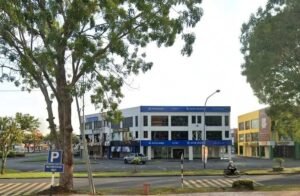
Bandar Miri continues to command the highest attention among property buyers. As the central business hub, it naturally attracts investors seeking strong visibility and reliable foot traffic. The data shows particularly strong interest in:
- 3–3½ storey commercial shoplots
- Retail units with main-road frontage
- Mixed-use commercial buildings
The combination of steady tourism, thriving business activity, and high-density population creates a stable environment for long-term commercial investment. Even with higher entry prices, Bandar Miri remains the safest high-demand zone in the region.
Batu Niah & Bakong: Affordable Growth Corridors for Future Appreciation
While some investors prefer the city center, others are turning to more affordable emerging zones like Batu Niah and Bakong. These subdistricts are experiencing gradual but steady growth thanks to expanding residential neighborhoods and rising local commerce.
In recent transactions, Batu Niah Bazaar and Bakong Bazaar show increasing demand for:
- Small commercial shop units
- Roadside retail buildings
- Affordable mixed-use properties
These areas offer lower entry points, making them attractive to first-time investors who want to purchase commercial property without paying Bandar Miri premiums. As population growth continues, appreciation potential remains strong.
Suburban Zones Like Desa Pujut and Desa Indah: Balanced Residential & Commercial Appeal
Subdistricts such as Desa Pujut and Desa Indah offer a compelling mix of residential livability and emerging commercial activity. These zones attract families, students, and working professionals who prefer quieter surroundings while still being within reach of central amenities.
Transaction patterns show consistent demand for:
- Two-storey residential homes
- Small shoplots serving local communities
- Apartments and mid-rise units
These are areas where property prices are more stable, rising steadily without the volatility seen in purely commercial hubs.
Lutong & Senadin: Lifestyle-Driven Markets with High Rental Demand
Lutong Baru and Desa Senadin continue to be hotspots due to their proximity to schools, oil & gas facilities, and retail conveniences. With a growing student population and a high number of long-term renters, rental yields in these subdistricts are among the highest in Miri.
Key demand drivers include:
- Close proximity to Curtin University
- Expanding retail activity
- Growing middle-income housing demand
These subdistricts remain ideal for buyers targeting affordable residential investments with sustainable tenant demand.
Price Behaviour Across the Subdistricts
The overall trend shows that central commercial zones maintain high values, while suburban and township areas offer better affordability with steady appreciation. A simplified overview:
- Bandar Miri: Highest prices, strong commercial demand, low risk.
- Lutong & Senadin: Mid-range prices, high rental potential.
- Desa Pujut & Desa Indah: Stable demand, balanced pricing.
- Batu Niah & Bakong: Lowest entry prices, strong future upside.
This diversity makes Miri one of the most versatile investment regions in Sarawak. Whether you’re a seasoned investor or a first-time buyer, there’s a subdistrict to match your budget and goals.
How Buyers Should Approach the Miri Market in 2026
Instead of focusing solely on price, investors are encouraged to analyze:
- Purpose of purchase (rental, resale, business use)
- Subdistrict future growth potential
- Tenant demand and demographics
- Nearby development plans
- Traffic flow and road visibility for commercial units
When viewed through these lenses, the differences between subdistricts become clearer—and the decision-making process becomes more strategic.
Conclusion: A Market Full of Opportunities for Every Buyer Type
Miri’s subdistricts each tell a different story. From the high-value urban core to the expanding outer districts, this diversity provides opportunities for investors with varying budgets and investment styles. The latest NAPIC open transaction data reinforces that Miri remains one of Sarawak’s most resilient and opportunity-rich markets.
As the city continues to evolve, subdistrict-specific analysis will become even more crucial in identifying the best investment opportunities.
Frequently Asked Questions (FAQ)
What is the most expensive area to buy property in Miri?
Bandar Miri remains the most premium area due to its commercial density, tourism activity, and central accessibility.
Which subdistrict is best for affordable investments?
Batu Niah and Bakong offer the lowest entry prices with strong long-term growth potential.
Is Miri a good location for rental property?
Yes, areas like Senadin and Lutong have high rental demand, especially from students and working professionals.
Where can I find the latest transaction data?
You can access verified property transaction data at the official NAPIC platform here: NAPIC Open Sales Data.
Are shoplots still in demand in Miri?
Yes, especially in Bandar Miri, Lutong Baru, and Desa Bahagia, where commercial activity remains strong.
📈 Looking for Ways to Grow Your Savings?
After budgeting or planning your property expenses, explore smarter investing options like REITs and stocks for long-term growth.
📈 Start Trading Smarter with moomoo Malaysia →(Sponsored — Trade REITs & stocks with professional tools)

Danny H is a real estate negotiator in Miri, specializing in residential and commercial properties. He provides trusted guidance, updated listings, and professional support through MiriProperty.com.my to help clients make confident property decisions.