

Understanding Investment Vehicles in a Sarawak Context
Investors in Miri and across Sarawak often hear about “investment” as if it is one big category. In reality, every investment vehicle behaves differently, especially in a regional economy that depends heavily on oil & gas, government employment, timber, plantations, and growing services.
Before deciding where to put money, it helps to separate investment vehicles into three broad groups: income generators, growth vehicles, and stores of value. Each group has its own cash flow pattern, risk level, and liquidity profile.
Income generators are things that can pay you regularly: dividends from shares, profit distributions from unit trusts, rent from a shophouse, or interest from fixed deposits. Growth vehicles focus more on increasing value over time, like buying shares in a Sarawak-linked listed company or land near a future road expansion in Tudan. Stores of value are mainly for protecting purchasing power, such as gold, well-located landed houses, or certain types of commercial property.
In a Sarawak context, a smart investor does not ask “Is property good?” but instead, “Which vehicle matches my income stability, savings level, and time horizon?” From there, property becomes just one possible tool among many.
Economic and Income Realities in Miri and Sarawak
Miri’s economy has a unique profile compared to other Sarawak towns. It has a strong oil & gas presence, a large group of government servants, and a sizable segment of small business owners in areas like Boulevard, Pelita, and Senadin. This mix creates very different income patterns.
Oil & gas workers may earn high incomes but face contract-based employment, overseas rotations, and industry cycles. Government staff usually have more stable but moderate incomes, with predictable increments and pensions. SME owners and self-employed professionals may experience income that fluctuates with sales seasons and project availability.
These differences matter. Someone working on a contract at Lutong with high but uncertain income should think differently from a permanent teacher living in a terrace house in Desa Senadin. The first must plan for periods without work and prioritise liquidity; the second can plan for long-term commitments with more confidence.
Cost of living in Miri is also quite varied. A family renting a low-cost flat in Pujut has a very different monthly budget from a household paying instalments on a semi-detached house in Promin Jaya or Luak Bay. Before choosing an investment vehicle, you must be honest about how much surplus cash remains after essentials, emergencies, and regular family commitments.
Property as an Investment Vehicle in Miri
Property in Miri comes in many forms: low-cost flats in older schemes, walk-up apartments, intermediate terrace houses in Senadin, single-storey detached houses in Krokop, and commercial lots in Permyjaya or city centre rows. Each behaves differently as an investment vehicle.
From an investor’s point of view, property has three key features: it is usually illiquid, it requires meaningful capital and financing, and it has ongoing costs (maintenance, assessment, repairs). These must be weighed against potential rental income and long-term value protection.
For example, an older apartment in Pujut may be affordable with a smaller down payment but comes with potential repair costs, weaker rental demand, and slower resale. A newer double-storey terrace in a maturing area of Senadin may be easier to rent to Curtin-related tenants but requires higher instalments and stronger income documentation with the bank.
In Miri, property decisions are also tied closely to infrastructure and employment clusters. Houses nearer to industrial areas, schools, or Curtin-related bus routes have different demand patterns from houses in purely residential pockets. Treat property as a targeted tool: its suitability depends on your cash flow, debt tolerance, and how patient you can be with holding periods.
Non-Property Investment Vehicles Available to Locals
Many Miri investors default to property because it feels “tangible” and familiar. Yet, there are several non-property vehicles that can be more appropriate at certain income levels or life stages.
Bank fixed deposits and savings products in local branches (in Bintang area, Krokop, Permyjaya) offer low but relatively steady returns with high liquidity. They are often suitable for emergency funds or short-term goals, not long-term wealth building on their own.
Unit trusts and managed funds, including those sold by agents in Miri’s shopping areas or bank branches, allow smaller monthly contributions, sometimes starting from a few hundred ringgit. They can provide exposure to broader markets without needing you to pick individual stocks. However, they carry price fluctuation risk and require discipline to invest consistently.
Direct stock investing through online platforms is increasingly common among younger investors in Miri. This route demands time, education, and emotional control, especially during market swings. It can be a flexible way to grow capital in smaller chunks compared with saving for a property down payment.
Alternative and Store-of-Value Investments
Some Sarawak investors prefer to protect wealth more than aggressively grow it. In this case, they look for stores of value: assets that tend to hold purchasing power across time, even if prices move up and down along the way.
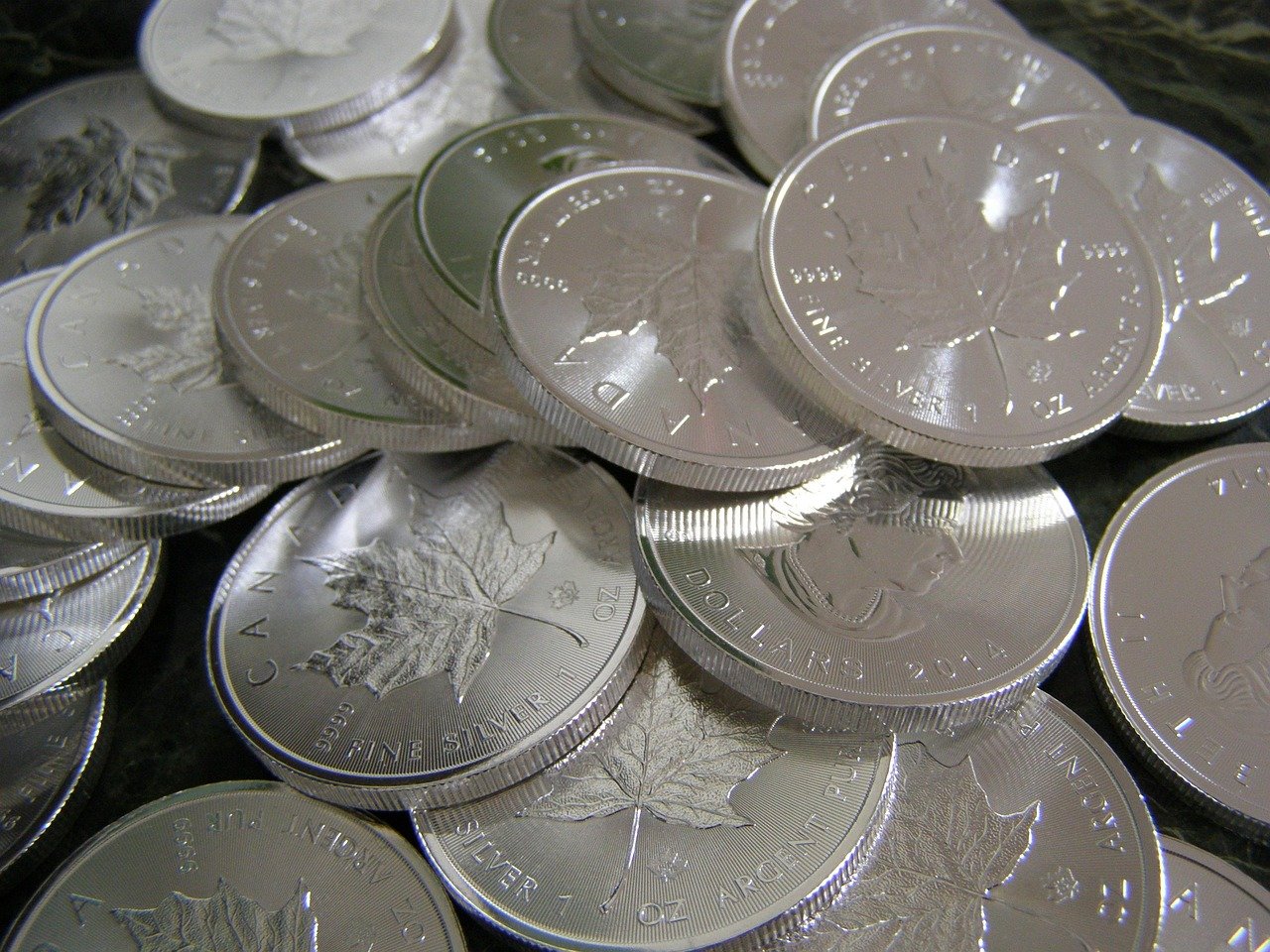
Physical gold and gold accounts are popular in Miri. These are not regular income generators but can help preserve value, especially for those with lumpy income (e.g., contractors, traders in Saberkas night market, or seasonal tour operators). Liquidity is decent if you use reputable dealers or bank-linked products, though buy-sell spreads can reduce effective returns.
Certain types of property behave more like stores of value than pure growth engines. A well-maintained landed house in a mature, established Miri neighbourhood with strong owner-occupier demand can act like a “value storage unit” for families planning long-term intergenerational wealth. The goal here is not speculation, but stability.
Small local business stakes are another alternative. A partnership in a car workshop in Piasau or a food outlet near Taman Tunku might provide both cash flow and equity value. However, business risk is high, and success depends heavily on management quality and location-specific demand.
How Income Level and Life Stage Affect Investment Choice
An investor in their early 20s working in a call centre in Miri City Mall area, earning a modest salary, faces different choices from a 45-year-old engineer based in Lutong with a family and higher income. It is not just about age, but also savings capacity and financial responsibilities.
Early career, limited savings
At this stage, the priority is building a stable cash buffer and developing investment habits. High-commitment, high-debt property may be premature unless supported by family. Non-property vehicles like unit trusts, basic stock exposure, and disciplined savings often fit better, especially when income is still evolving and job changes are common.
Mid-career, growing family commitments
Many in Miri at this stage are servicing mortgages on their own home in areas like Senadin, Permyjaya, or Bandar Baru. Investment decisions must balance children’s education, car loans, and sometimes supporting parents in rural Sarawak. Additional property purchases should be evaluated carefully against the risk of over-leverage and job disruption.
Pre-retirement and retirement
For civil servants based around Miri who are approaching pension age, the focus often shifts to income stability and simplicity. Highly speculative vehicles become less suitable. Here, a mix of lower-volatility instruments (fixed deposits, conservative funds) and carefully selected income properties can work, but only if debt levels are under control and health expenses are considered.
The key is aligning vehicles with life stage: early years for skill-building and flexible vehicles, mid-years for strategic accumulation, and later years for protection and predictable income.
Comparing Investment Vehicles Side by Side
Instead of asking which investment is “better,” it is more useful to compare them across fixed criteria: income stability required, minimum capital, liquidity, and volatility. For a Miri investor, this practicality helps to avoid emotional decisions based on friends’ stories or social media hype.
| Vehicle | Typical Minimum Capital (Miri context) | Liquidity | Income/Return Pattern | Key Risk for Local Investors |
|---|---|---|---|---|
| Residential property (e.g., terrace in Senadin) | Down payment from tens of thousands RM, plus fees | Low – can take months to sell | Monthly rent (if tenanted) + long-term price movement | Job loss or rental vacancy while still paying instalments |
| Commercial lot (e.g., Permyjaya shophouse) | High – often hundreds of thousands RM equity + loan | Low to medium – depends on area demand | Business rental income, sensitive to local economy | Business closures in the area and long vacancy periods |
| Unit trusts / managed funds | Can start from a few hundred RM monthly | High – sellable within days (depending on provider) | Fluctuating values, potential distributions | Selling at a loss during market dips due to panic |
| Stocks via online brokerage | Flexible – can start with small amounts | High – can sell during market hours | Dividends + price movements, often volatile | Speculating without understanding business fundamentals |
| Fixed deposits | From a few thousand RM | Medium – locked-in for tenure unless broken | Fixed interest, predictable but modest | Inflation slowly eroding purchasing power |
| Gold (physical or account) | From a few hundred RM | Medium – depends on dealer or bank process | No regular income, value changes with market | Buying at a peak then selling too early in a downturn |
Notice how the required minimum capital and liquidity vary widely. For a new investor in Miri with limited savings, high-capital, low-liquidity property may not be the first tool. For a seasoned investor with stable income and strong reserves, property can become a structured component of a broader portfolio.
Common Investment Mistakes in Smaller Cities
Regional cities like Miri have their own investment psychology. Word-of-mouth is powerful, and “group thinking” can lead to repeating the same errors. Understanding these patterns helps investors protect themselves.
One frequent mistake is copying friends’ strategies without checking whether their income, job security, and family commitments are similar. A bachelor working offshore with minimal expenses can take different risks compared with a married teacher with school-going children and parents in rural Baram to support.
Another pattern is underestimating liquidity risk. Many Miri investors put too much into property or informal business ventures, then have nothing easy to liquidate when facing medical bills, job loss, or urgent family needs. This leads to forced sales of houses in less-than-ideal market conditions, especially in areas with slower demand.
There is also a tendency to romanticise “owning something big” like a shophouse or several apartments, even when cash flow is tight. In smaller cities, vacancy periods can be long if the area’s population or economic activity is not growing as expected. Investors who stretched their finances to buy extra units in fringe areas sometimes struggle quietly to service loans.
In Miri, wealth is often quietly built by those who match their investments to their actual cash flow and job stability, not by chasing what looks impressive from the outside.
Practical Takeaways for Miri and Sarawak Investors
Once you understand that investment vehicles must match your income profile, risk tolerance, and life stage, the next step is to apply some simple, grounded rules in your own situation.
First, map out your financial base: stable income, emergency savings, protection (insurance), and essential commitments. Only then should you commit to long-term or illiquid vehicles. Second, consider starting with more flexible instruments before committing to large, debt-dependent assets.
Property can still have an important role, but it should be integrated carefully into a wider plan that includes non-property and store-of-value elements. The right mix for a Miri investor is rarely “all in” on one vehicle, especially when the local economy can be affected by oil & gas cycles, government spending, and regional trade flows.
FAQs
Q1: Should I start with property or non-property investments if I work in Miri?
If your savings are still small and your income is not yet stable, non-property options like unit trusts, conservative stock exposure, and fixed deposits are often more practical starting points. Property usually comes later, when you can comfortably handle instalments, vacancies, and maintenance.
Q2: Is property always safer than stocks in a place like Miri?
Not necessarily. Property carries its own risks: high debt, difficulty selling quickly, and local oversupply in certain housing schemes. Stocks can be more liquid and allow smaller position sizes, but they require emotional discipline and continuous learning.
Q3: I earn a moderate government salary. Can I still invest meaningfully?
Yes, but the strategy may focus on gradual accumulation: building an emergency fund, then monthly contributions to unit trusts or simple stock strategies, and only later considering a carefully chosen investment property. Consistency over time matters more than taking big risks early.
Q4: Are high-yield “quick return” schemes common risks in smaller cities?
Yes, especially informal schemes promising unusually high monthly returns through “local projects” or unlicensed investments. Treat any offer that sounds much better than bank or market alternatives with high suspicion, and verify licensing and track record independently.
Q5: How many properties should I aim to own as an investor in Miri?
There is no fixed “right number.” The better question is whether each property fits your cash flow, risk tolerance, and long-term plan. For some, one additional well-chosen property is enough; for others, a small, diversified mix of property and non-property vehicles works better.
- Match every investment choice to your actual income stability, savings, and life stage, not to social expectations.
- Start with liquid, flexible vehicles if your emergency buffer and job situation are still developing.
- Treat property as one tool in a wider toolbox, especially in a city like Miri where economic cycles can be uneven.
- Beware of over-leverage and long vacancies, particularly in fringe or unproven areas.
- Review your portfolio at least once a year to adjust for changes in income, family needs, and local market conditions.
This article is for educational and market understanding purposes only and does not constitute financial, business, or investment advice.
📈 Want Steadier Income Without Buying Property?
👉 Explore REIT Investing with a Smarter Trading App
Perfect for investors focused on steady income & long-term growth.
Join moomoo Malaysia here ➤
https://j.moomoo.com/0xwSKj
🏠 Find Property in Miri
- Miri House for Sale
- Miri House for Rent
- Miri Shop for Rent
- Miri Shop for Sale
- New House for Sale in Miri
- Office Space for Sale in Miri
- Miri Land for Sale
- Miri Apartment for Rent
⚠️ Disclaimer
This article is provided for general property information and educational purposes only.
It does not constitute legal, financial, or official loan advice.
Information related to pricing, loan eligibility, and property status is subject to change
by property owners, developers, or relevant institutions.
Please consult a licensed real estate agent, bank, or property lawyer before making any
property purchase or rental decisions.
📈 Looking for Ways to Grow Your Savings?
After budgeting or planning your property expenses, explore smarter investing options like REITs and stocks for long-term growth.
📈 Start Trading Smarter with moomoo Malaysia →(Sponsored — Trade REITs & stocks with professional tools)