Miri’s property market continues to evolve, and one segment that has been gaining remarkable attention is the retail lot category. With rapid expansion in residential areas and a growing population base, retail-focused commercial units in subdistricts like Desa Bahagia, Desa Pujut, and Lutong Baru are emerging as some of the most attractive investment options in 2026.
According to recent insights from the NAPIC Open Sales Data, transaction activity in these zones has shown consistent upward momentum. As communities expand and daily conveniences become essential, well-positioned retail units are becoming a staple for both business operators and property investors.
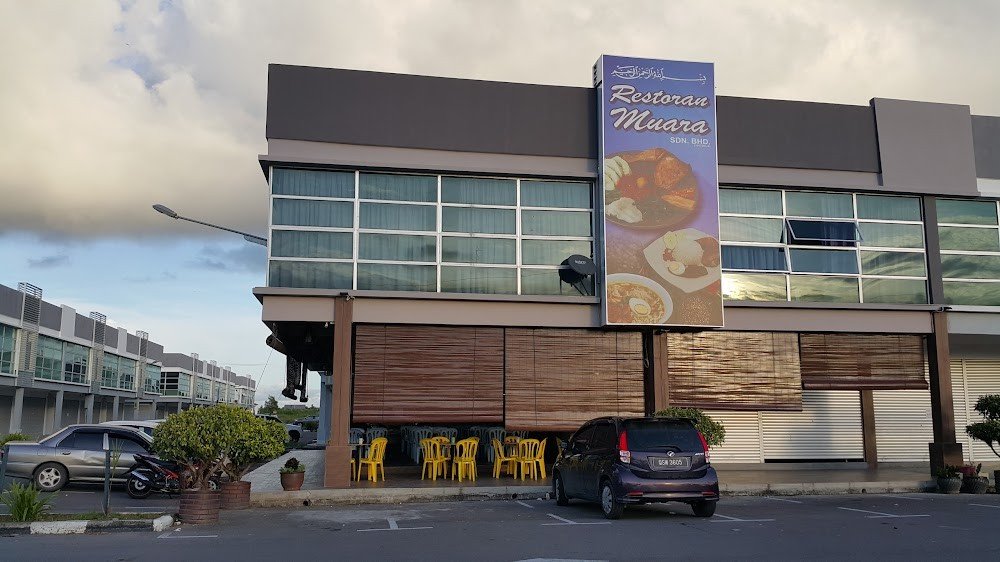
Why Retail Lots Are Becoming a High-Demand Asset
Retail lots serve as the foundation of most local commercial ecosystems. They house businesses that residents rely on every day—cafes, mini-marts, clinics, convenience shops, laundromats, and service outlets. As subdistrict populations rise, so does the need for accessible retail services, creating sustainable demand for strategically located retail units.
Miri’s newer and expanding townships are especially strong drivers of this trend. Many areas that were once primarily residential now show increased commercial activity as developers integrate lifestyle elements into community planning.
Hotspots with Strong Retail Lot Activity
Several areas stand out for recording high-frequency retail lot transactions, reflecting both investor confidence and business community expansion.
Desa Bahagia: A Rapidly Growing Township
Desa Bahagia’s commercial sector has grown significantly due to the surrounding residential developments. With thousands of households located within close proximity, retail businesses here enjoy a solid customer base.
- Strong walk-in customer potential
- Ideal for F&B outlets, convenience stores, and service businesses
- Stable long-term rental demand
The consistent flow of families and working adults ensures that retail lots in Desa Bahagia remain among the most practical investment choices.
Desa Pujut: Balanced Between Residential and Commercial Growth
Desa Pujut offers a unique mixture of mature residential communities and newly developed commercial clusters. This balanced environment makes retail lots in the area highly versatile for different types of tenants.
- Suitable for medical services, salons, eateries, and tuition centers
- Strong appeal to SMEs and small entrepreneurs
- Improving road connectivity boosts commercial visibility
Because of its established yet still-evolving nature, Desa Pujut retail lots attract both long-term tenants and owner-occupiers.
Lutong Baru: Rising With Residential Expansion
Lutong Baru has seen some of the fastest-growing retail activity due to its proximity to major residential developments and industrial employment zones. Its role as a midpoint between central Miri and northern townships positions it as a high-potential retail hub.
- Appealing to corporate tenants and branded retailers
- Strong traffic from nearby industrial workers
- Growing interest from investors looking for high-yield units
The consistent transaction volume here suggests that Lutong Baru retail lots are quickly becoming a preferred asset class.
Why Retail Lots Are Considered Low-Risk Investments
Retail lots carry several investment advantages that make them suitable even for conservative investors. These include:
- Essential demand: Businesses occupying these units provide necessities, ensuring stable customer flow.
- Diverse tenant pool: Retail lots serve both startups and established brands.
- High rental stability: Tenants often sign multi-year leases to secure business continuity.
- Easy resale potential: Investors and business owners frequently seek units in populated areas.
Because these properties directly serve local needs, downturn risks are often lower compared to larger commercial investments such as office towers or industrial complexes.
Retail Lots vs. Shoplots: What’s the Difference?
Many buyers may confuse retail lots with shoplots, but the distinction matters when analyzing investment potential.
- Retail lots: Usually located on the ground floor; ideal for walk-in traffic and essential services.
- Shoplots: Multi-storey units suitable for mixed-use operations (office + commercial + residential).
Retail lots prioritize convenience and accessibility, while shoplots offer flexibility and multi-level utility. In residential-heavy zones, retail lots often outperform in rental demand because they serve daily customer needs.
Future Outlook: What Investors Should Expect
The rise of retail-focused developments across Miri is expected to continue, especially as newer housing areas mature. With increasing urbanization and lifestyle shifts, residents favor nearby services over traveling long distances for everyday needs.
This behavioral trend strengthens the outlook for retail lots in growing commercial centers. Investors should watch for upcoming mixed-use developments and population expansion areas, both of which typically drive early retail demand.
Quick Tips for Investing in Miri Retail Lots
- Analyze foot traffic patterns and peak-hour usage.
- Review tenant mix in the surrounding area.
- Choose lots with good visibility and corner positioning when possible.
- Monitor upcoming infrastructures such as schools, supermarkets, and new housing projects.
- Use verified data, such as from the NAPIC Open Sales database, to understand pricing and demand trends.
By using data-backed insights, investors can make more confident decisions and avoid overpaying in competitive areas.
Conclusion: Retail Lots Are Becoming a Standout Asset in Miri
The surge in retail lot demand across Desa Bahagia, Desa Pujut, and Lutong Baru reflects a shift in the needs of Miri’s rapidly growing population. As families, students, and working professionals seek greater convenience and access to essential services, retailers will continue to expand their presence in these high-density neighborhoods.
For investors, retail lots represent a low-risk, steady-return opportunity backed by tangible community demand. With solid historical performance and promising future outlooks, this segment is poised to remain a key part of Miri’s commercial property landscape.
Frequently Asked Questions (FAQ)
Are retail lots in Miri a good investment in 2026?
Yes, retail lots are considered low-risk and high-demand assets, especially in residential-dense subdistricts like Desa Bahagia and Lutong Baru.
Where can I find official transaction data?
You can access verified retail lot and commercial property data from the NAPIC portal at this link.
Which areas are best for retail lot investment?
Desa Bahagia, Desa Pujut, Lutong Baru, and other growing townships with expanding residential communities.
How do retail lots compare to shoplots?
Retail lots are ground-floor focused and ideal for walk-in business, while shoplots offer multiple floors and more flexible usage.
Do retail lots have strong rental demand?
Yes, especially in high-density areas where essential services are needed daily.
Keywords: retail lot Miri, commercial property Sarawak, Miri shoplot demand
📈 Looking for Ways to Grow Your Savings?
After budgeting or planning your property expenses, explore smarter investing options like REITs and stocks for long-term growth.
📈 Start Trading Smarter with moomoo Malaysia →(Sponsored — Trade REITs & stocks with professional tools)

Danny H is a real estate negotiator in Miri, specializing in residential and commercial properties. He provides trusted guidance, updated listings, and professional support through MiriProperty.com.my to help clients make confident property decisions.


