
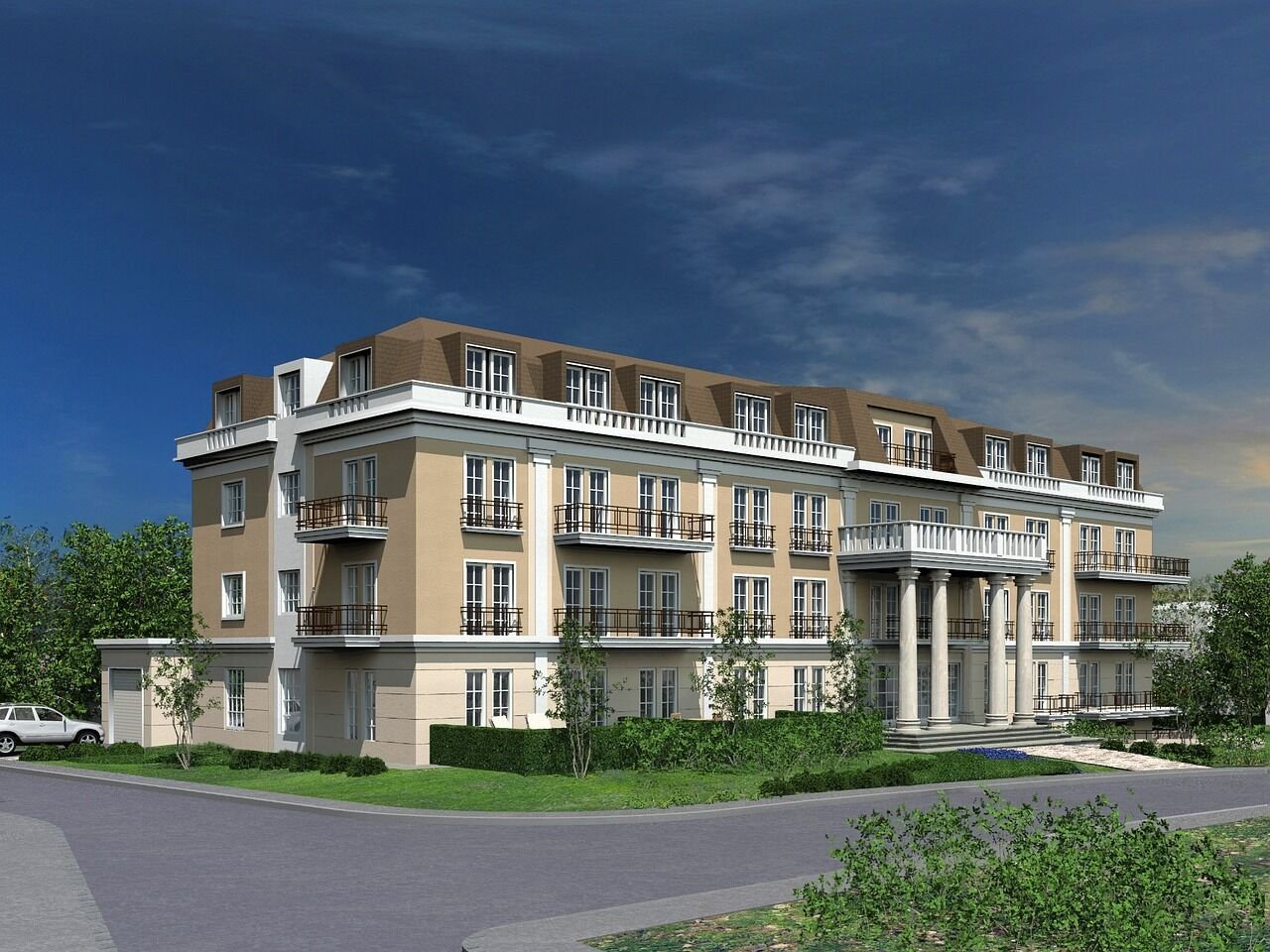
Buying your first home in Miri is a big milestone, but it also comes with long-term commitments that can affect your lifestyle, savings, and future plans. For young professionals and newly married couples in Sarawak, the question is usually not just “Can I buy?” but “Should I buy now, or keep renting and enjoy more flexibility?”
This article breaks down the real costs, trade-offs, and practical numbers for first-time buyers in Miri, so you can make a decision that fits your income, goals, and lifestyle.
Renting vs Buying in Miri: What Makes Sense First?
Miri has a relatively moderate cost of living compared to West Malaysia cities, but property is still a big financial step. Many fresh graduates and young executives earn between RM2,500–RM4,500 per month, while dual-income couples might bring in RM6,000–RM8,000 combined.
In popular areas like Permyjaya, Luak Bay, and parts of Senadin, subsale terrace houses and apartment units are common options for first homes. At the same time, rental units in these locations can be quite affordable, especially if you share with housemates.
To decide between renting and buying, ask yourself two key questions:
- How stable is my job and income over the next 5–7 years?
- Do I plan to stay in Miri long-term, or might I move for career opportunities?
If you are still exploring your career path, renting may give you flexibility without locking you into a 30–35 year mortgage. If you are settled in Miri and planning to start a family, buying a modest first home may be more practical.
Typical Property Prices for First Homes in Miri
Here are rough estimates of what young adults in Miri often look at for first homes:
| Property type | Estimated price range (Miri) | Suitable for |
| Basic apartment (subsale) | RM200,000 – RM280,000 | Single professionals, young couples, early-career buyers |
| New apartment / condo (selected projects) | RM260,000 – RM380,000 | Couples who value security, facilities, and lower maintenance work |
| Single-storey terrace (subsale) | RM300,000 – RM420,000 | Young families planning for kids, long-term own stay |
| Double-storey terrace (subsale) | RM380,000 – RM550,000 | Dual-income couples with higher stable income |
These are estimates and can vary by area, age of property, and condition. Many first-time buyers in Miri start with apartment starter homes or older subsale terrace houses because they are cheaper than brand-new landed projects.
Understanding Down Payment, Legal Fees, and Upfront Costs
Most banks in Sarawak will finance up to 90% of the property price for a first housing loan. That means you need to prepare at least 10% as down payment, plus other costs. This is where many young buyers struggle.
For example, for a RM280,000 apartment in Miri:
- Down payment (10%): RM28,000
- Legal fees & stamp duty for SPA and loan: Roughly RM7,000–RM10,000 (depending on actual loan and lawyer’s quote)
- Valuation fees (for subsale units): A few hundred to over RM1,000
- Renovation & basic furnishing (grills, lights, fans, simple furniture): Easily RM8,000–RM20,000 for a modest setup
Suddenly, what looks like a manageable RM280,000 property can require RM40,000–RM60,000 in cash before you even move in. For many young adults in Miri, this upfront cash is a bigger challenge than the monthly instalment.
Monthly Mortgage Commitments: What Is Realistic?
Let’s say you buy a RM300,000 property, get 90% financing (RM270,000 loan), at 4.2% per annum interest, over 35 years.
Your monthly instalment is roughly around RM1,200–RM1,300. On paper, this feels similar to renting a nicer unit in Miri. But the big difference is commitment and flexibility.
For a single buyer earning RM3,500 per month, paying RM1,250 for mortgage already takes more than one-third of income. Add car loan (RM600–RM900), living expenses, and commitments like PTPTN, and cash flow becomes tight.
This is why banks use something called Debt Service Ratio (DSR) to decide how much you can borrow.
DSR and Housing Loans Explained Simply
DSR (Debt Service Ratio) is the percentage of your monthly income that goes to paying loans. This includes:
- Car loans
- Personal loans
- Credit card minimum payments
- Housing loan instalments
If your net income is RM4,000 and your total monthly loans are RM1,600, your DSR is 40%. Different banks in Sarawak have different maximum DSR limits, usually around 60–70% for younger borrowers with stable income.
However, just because the bank approves you up to that limit doesn’t mean you should push it to the maximum. A safer target is to keep your housing instalment around 25–35% of your net income, especially if you enjoy eating out, travelling, and maintaining a certain lifestyle in Miri.
Lifestyle vs Homeownership: Finding the Balance
Miri’s lifestyle for young adults often revolves around cafes, weekend trips within Sarawak or to Sabah/Brunei, gym memberships, and car ownership. None of these are wrong, but they impact how fast you can save for a house.
For example, a young couple with combined income RM7,000 who:
- Spends RM1,600–RM2,000 on car loans and fuel
- RM1,000–RM1,400 on food, entertainment, and outings
- RM800–RM1,200 on rent and utilities
Might find it hard to save RM20,000–RM40,000 within a few years unless they intentionally control spending. The goal is not to stop enjoying life, but to be deliberate.
Common mistake: Young professionals upgrade to expensive cars early in their career, then struggle to get housing loan approval because their DSR is too high.
Where to Live: Near Work or Further Out?
In Miri, many young professionals want to live reasonably near their workplace, especially if they work in town area, or have shifts related to oil & gas, retail, or hospitality. Popular areas for young couples include parts of Permyjaya, Senadin, Luak, and selected matured neighbourhoods closer to the city.
Properties further from town may be cheaper, but fuel and time costs add up, especially if both partners drive daily. On the other hand, renting near work while saving aggressively for a deposit can be a smart interim strategy.
A practical approach:
- Rent in a convenient area for 2–4 years.
- Maintain a strict monthly savings target (e.g., RM800–RM1,200 per couple).
- Only start house-hunting when you have at least 10–15% of your target property price in savings.
Apartments vs Landed Homes for First-Time Buyers
Many in Sarawak dream of landed properties, but for early-career buyers in Miri, apartment starter homes can be a realistic first step.
Apartment Starter Homes
Pros:
- Usually lower entry price compared to landed houses in similar locations
- Gated environment, better security, some have facilities
- Lower basic maintenance for those busy with work
Cons:
- Monthly maintenance fees (even when you fully pay off the loan one day)
- Limited space for future family expansion
- Parking limitations in some older apartments
Landed Properties (Terrace Houses)
Pros:
- More space for family, storage, and possible future renovations
- Land value appeal over the long term
- Easier for those who prefer pets, gardening, or home-based hobbies
Cons:
- Higher price means higher down payment and instalments
- More maintenance — roof, fencing, paint, and so on
- Potentially further from town for more affordable options
For young couples who plan to have children within a few years and are confident staying in Miri long-term, a modest terrace in a subsale neighbourhood might be worth stretching a little for — as long as the monthly instalment remains comfortably within your budget.
Subsale vs New Launch: Which Is Better for First-Time Buyers?
Subsale homes are properties bought from existing owners, while new launches come directly from developers. In Miri, subsale apartments and terraces in matured areas can sometimes offer better value than brand-new units further out.
Subsale pros:
- You can physically see the actual condition and neighbourhood
- Sometimes cheaper than similar new units
- Immediate occupancy after paperwork completes
New launch pros:
- Developer rebates at times, easier entry promotions for first-time buyers
- Modern layouts and newer facilities
- Lower repair issues in the first few years
However, don’t choose a new launch just because of promotions. Look at long-term instalment, location, and whether the property type truly fits your life plans.
Hidden and Ongoing Costs of Homeownership
First-time buyers often focus only on monthly instalments and forget about other costs. Owning a home in Miri comes with:
- Assessment tax & quit rent (usually a few hundred ringgit per year)
- Management & sinking fund fees for apartments and gated communities
- Repairs and maintenance over time (leaks, painting, electrical, plumbing)
- Home insurance / MRTA or MLTA linked to your housing loan
- Higher utility usage once you move to a bigger space or start a family
These are not meant to scare you, but to remind you that homeownership is a long-term financial strategy, not just a monthly payment.
“Buying a first home is not only about affordability, but also about maintaining long-term financial stability and lifestyle balance.”
How Much Should You Save Before Buying?
A realistic rule of thumb for Miri first-time buyers:
- Aim for at least 12–15% of your target property price in cash savings.
For a RM280,000 property, this means around RM35,000–RM42,000. This usually covers down payment, legal costs, and some basic renovation or furnishing.
If you’re a young couple saving RM1,200 per month together, you might reach RM30,000 in about 2 years (excluding bonuses). Faster if you reduce car expenses or big lifestyle spending temporarily.
Should Your First Home Be for Living or Investment?
In Miri, many first-time buyers purchase mainly for own stay, not pure investment. Rental markets vary by area, and it is risky to assume your first property will always generate positive cash flow.
If you are buying at the edge of your budget hoping to rent out rooms to cover the instalment, you are taking on extra risk. A safer approach is to buy something you can comfortably own and live in, even if rental plans don’t work out as expected.
Later in your career, once your income and savings grow, you can explore a second property more strategically for investment if that suits your long-term goals.
Practical FAQs for First-Time Buyers in Miri
1. Does renting or buying make more sense when I’m just starting my career?
If your job or income is still unstable, renting is usually safer. It lets you build savings without locking into a long-term loan. Consider buying when you have at least 6–12 months of emergency savings, a stable job for 2–3 years, and a clear plan to stay in Miri.
2. Are apartments suitable for young families in Miri?
Yes, many young families start in apartments, especially near city conveniences or good schools. However, think about future space needs, parking, and whether you are comfortable with kids living in a high-rise environment. Some couples choose apartments as a 5–10 year solution before upgrading later to landed homes in Sarawak.
3. How much savings do I realistically need to buy a first home in Miri?
For homes in the RM250,000–RM350,000 range, most buyers should aim for at least RM30,000–RM50,000 in prepared cash. This helps you cover down payment, legal fees, basic renovations, and moving costs without wiping out your emergency fund completely.
4. What salary range is practical for buying in Miri?
As a rough guide, single buyers earning RM3,000–RM4,000 may look at entry-level apartments first. Dual-income couples with RM6,000–RM8,000 combined income have more room to consider terrace houses, provided they manage other debts responsibly. Always check how your current loans affect your DSR before committing.
5. Should my first home be mainly for investment or for living?
For most young adults in Miri, it is more realistic to buy a first home for own stay and stability. If the property also has decent long-term value and rental potential, that is a bonus. Treat investment-focused property purchases as a second step once your finances and career are more established.
Final Thoughts: Plan Around Your Life, Not Just the Property
There is no single “right age” to buy a home in Miri or anywhere in Sarawak. Some buy in their mid-20s, others wait until their 30s. What matters is that your decision matches your current income, future goals, and the lifestyle you want to maintain.
Good first-home planning often begins with understanding your financial comfort zone and long-term lifestyle priorities. Take time to run your numbers, talk to banks, and compare renting versus buying before signing anything. A home should support your life, not strain it.
This article is for educational and general property awareness purposes only and does not constitute financial, legal, or investment advice.
🏠 Find Property in Miri
- Latest Property For Sale in Miri
- Latest Property For rent in Miri
- New Project Launches in Miri
- Latest Land For Sale in Miri
- Search properties by keys area in Miri
- Property Agent in Miri
- Property Guides & Tips (Malaysia)
⚠️ Disclaimer
This article is provided for general property information and educational purposes only.
It does not constitute legal, financial, or official loan advice.
Information related to pricing, loan eligibility, and property status is subject to change
by property owners, developers, or relevant institutions.
Please consult a licensed real estate agent, bank, or property lawyer before making any
property purchase or rental decisions.
📈 Looking for Ways to Grow Your Savings?
After budgeting or planning your property expenses, explore smarter investing options like REITs and stocks for long-term growth.
📈 Start Trading Smarter with moomoo Malaysia →(Sponsored — Trade REITs & stocks with professional tools)
