

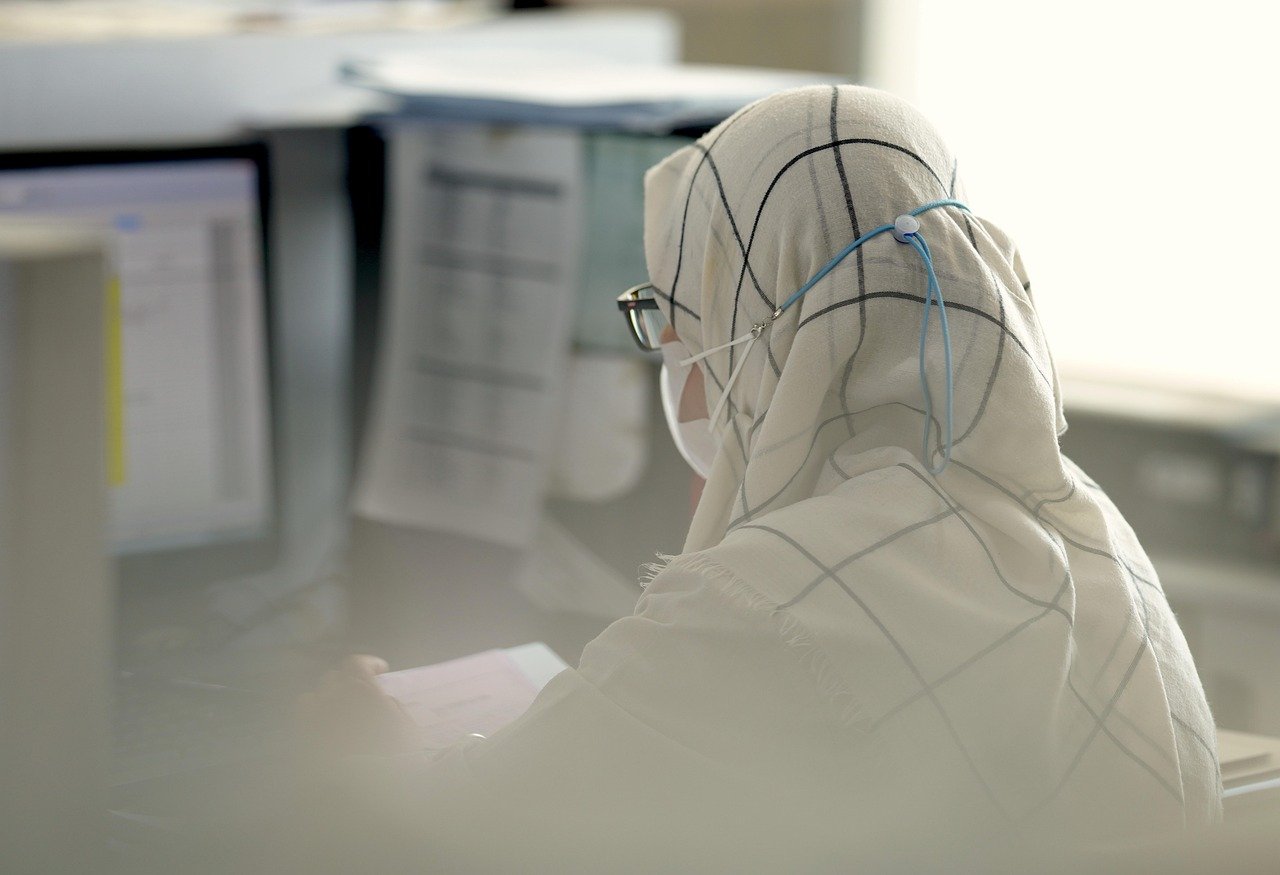
Career Opportunities and Hiring Trends in Miri, Sarawak
Miri remains a regional employment hub in northern Sarawak with a mix of traditional industries and growing service and digital sectors. This article outlines realistic career pathways, sector-by-sector hiring trends, and practical advice for professionals relocating to Miri. The focus is on actionable guidance for jobseekers, career switchers, and local residents planning skills development.
Hiring Trends in Miri
Over the past five years Miri’s job market has been shaped by fluctuating oil prices, steady tourism growth, and the gradual rise of remote work. Employers increasingly seek versatile candidates who combine technical competence with soft skills, especially for supervisory and client-facing roles. Local hiring often favors candidates with regional experience or Bahasa Malaysia and Iban language skills for community-facing positions.
Short-term contract and project-based work is common in construction and oilfield services, while tourism and retail offer more entry-level opportunities with seasonal demand. Digital roles and remote-friendly companies are slowly expanding, creating options for residents to work for national or international employers without relocating. Understanding sector seasonality helps candidates time applications and negotiate contracts more effectively.
Industry Analysis
Oil & Gas
The Oil & Gas sector remains an important employer in Miri, with opportunities spanning offshore operations, maintenance, and supply chain services. Skilled welders, instrument technicians, and marine crew remain in demand when exploration or maintenance projects ramp up. Engineers and project managers can command higher pay, though the sector’s long-term growth depends on investment cycles and energy transition policies.
Tourism & Hospitality
Tourism & Hospitality recovered steadily after the pandemic, driven by domestic travel and eco-tourism to national parks around Miri. Hotels, tour operators, and F&B outlets hire for front-of-house, culinary, and guiding roles, with seasonal peaks during school holidays. Career progression can be rapid for staff who upskill in languages, customer relations, and management training.
Retail & Services
The Retail & Services sector offers the most entry-level jobs in Miri, including sales assistants, cashiers, and logistics support. Employers value punctuality, basic numeracy, and customer service orientation, with supervisory roles available for staff who demonstrate reliability. Retail wages are modest but can be supplemented by commissions or part-time shifts.
Digital & Remote Work
Digital & Remote Work roles—such as digital marketing, software development, and customer support—are growing as internet connectivity improves. Local freelancers and remote employees often earn competitive rates, particularly in web development and content creation. Stability varies by client portfolio, so building recurring clients or long-term contracts improves income reliability.
Construction & Property
The Construction & Property industry benefits from ongoing infrastructure and commercial developments in Miri, creating demand for tradespeople, site supervisors, and property management staff. Wages for skilled trades are attractive relative to retail, and certified workers are preferred for long-term contracts. Property sales and leasing roles also grow with new developments, offering commission-based income for successful agents.
Education & Training
Education & Training provides stable employment for qualified teachers, trainers, and support staff, especially in private colleges and technical institutes. Demand is steady for English teachers, vocational trainers, and early childhood educators. Professional development and recognised certifications increase employability and salary potential within this sector.
Entry-level vs Skilled Roles
Entry-level roles in Miri typically include retail assistants, hospitality staff, junior administrative positions, and basic trades apprenticeships. These positions require minimal formal experience but reward reliability, attitude, and willingness to learn. Skilled roles demand certifications or technical training—examples are O&G technicians, certified welders, registered nurses, and software developers.
Progression from entry-level to skilled roles is achievable through apprenticeships, short courses, and on-the-job training offered by many employers. Locals who complete competency certifications (e.g., Niosh, SKM, or industry-specific licences) increase their earning potential and job stability. Employers often subsidise training for staff they plan to retain.
High-Demand Skills for Locals
Employers in Miri increasingly prioritise a blend of technical and transferable skills that suit regional industries and service roles. Technical certifications, digital literacy, and language skills are frequently mentioned in job adverts. Soft skills like communication, teamwork, and problem-solving remain highly valued across sectors.
- Technical trades: welding, instrumentation, electrical, and heavy machinery operation
- Digital skills: web development, social media marketing, content writing, and basic data analysis
- Customer-facing skills: hospitality management, multilingual communication, sales techniques
- Safety and compliance: workplace safety certifications, first aid, and environmental awareness
- Teaching and training: TESL, vocational instruction, and curriculum development
Career Paths and Emerging Opportunities
For professionals in Miri, a typical career path in Oil & Gas moves from technician to senior technician, then to supervisory or specialist roles if certifications and experience accumulate. In tourism, staff often advance from service roles to operations management or start niche tourism businesses. Digital careers can scale quickly with freelance platforms and remote contracts, enabling regional professionals to earn above local norms.
Emerging opportunities include eco-tourism entrepreneurship, remote customer-success roles for tech firms, and specialist construction trades tied to regional infrastructure projects. Upskilling through short courses or employer-sponsored training accelerates movement into higher-paid positions. Networking through local industry associations and LinkedIn helps identify project-based roles and consultancy work.
Part-time, Side Income, and Women-friendly Jobs
Part-time and gig work in Miri is common in hospitality, tutoring, ride-hailing, and freelance digital services. Many women find flexible roles in education, administrative support, home-based e-commerce, and part-time hospitality work that allow better work-life balance. Employers in professional services increasingly offer part-time or job-share arrangements to retain experienced female talent.
Side income strategies include online tutoring, social media management for local businesses, and selling regional crafts or food products through e-marketplaces. Women entrepreneurs often leverage community networks and government micro-grant programmes to scale home-based businesses. Safety, transport availability, and family commitments influence job choices and hours for many locals.
Practical Advice for Newcomers Relocating to Miri
When relocating to Miri, prioritise neighbourhoods close to your industry hub to reduce commute time and costs. Research rental markets—areas like Piasau and Senadin are popular with professionals, while downtown locations suit hospitality and retail workers. Budgeting for initial moving costs and a 1–2 month buffer is advisable as job searches and onboarding can take time.
Prepare local documents such as NRIC or passport copies, academic certificates, and professional licences before interviews. Networking with local chambers of commerce, industry meetups, and alumni groups speeds up job discovery. Learn key Bahasa Malaysia phrases and basic local customs—this cultural knowledge improves interview outcomes and workplace integration.
Local employment guidance: Focus on gaining one certified technical skill and one digital or management skill. This combination boosts employability across Miri’s dominant sectors and helps secure both short-term contracts and long-term roles.
Industry Comparison
| Industry | Demand Level | Average monthly pay (MYR) | Growth outlook |
|---|---|---|---|
| Oil & Gas | Moderate–High (cyclical) | MYR 3,000–12,000 | Moderate; project-dependent |
| Tourism & Hospitality | High (seasonal) | MYR 1,800–5,000 | Positive; domestic tourism growth |
| Retail & Services | High (entry-level) | MYR 1,500–3,500 | Stable; steady local demand |
| Digital & Remote Work | Growing | MYR 2,500–8,000 | High; expanding with connectivity |
| Construction & Property | Moderate–High | MYR 2,500–6,500 | Moderate; tied to projects |
| Education & Training | Steady | MYR 2,000–6,000 | Stable; consistent demand |
FAQs
Is Miri a good place to start a career?
Yes, Miri offers a balanced mix of entry-level and skilled roles across several sectors, making it suitable for early-career professionals and mid-career switchers. Stability depends on the chosen industry—education and retail are steadier, while oil & gas and construction are project-driven. Newcomers who combine a technical skill with digital capability typically find better long-term prospects.
What salary can I expect in entry-level roles?
Entry-level salaries in Miri typically range from MYR 1,500 to MYR 2,800 per month in retail and hospitality. Apprenticeships and technical junior roles often start around MYR 2,000–3,000 depending on certifications. Salary progression follows skill acquisition and demonstrated reliability, and some sectors offer overtime or commission to boost income.
Which skills should I prioritise for faster career growth?
Prioritise a marketable technical skill (e.g., welding, instrumentation, TESL) and a digital skill (e.g., basic coding, digital marketing). Communication, Bahasa Malaysia proficiency, and customer service skills are essential across sectors. Safety certifications and recognised industry licenses accelerate progression in oil & gas and construction.
Are there good opportunities for remote or freelance work?
Yes, remote and freelance opportunities are increasing, particularly in web development, content creation, and digital marketing. Stable income depends on building repeat clients and diversifying income streams. Good internet connectivity in many parts of Miri supports remote work, though reliable workspace and time management are key.
How can women find flexible or family-friendly jobs in Miri?
Women often find flexible jobs in education, administrative roles, tutoring, and home-based e-commerce in Miri. Part-time positions and job-share arrangements are available in some private companies and NGOs. Leveraging local support networks and government small-business programmes helps women entrepreneurs scale flexible income sources.
To succeed in Miri’s job market, combine local knowledge with certified skills, network actively, and plan for industry seasonality when negotiating contracts or choosing sectors.
This article is for informational purposes only and does not constitute professional career, financial, or legal advice.
🏠 Find Property in Miri
- Miri House for Sale
- Miri House for Rent
- Miri Shop for Rent
- Miri Shop for Sale
- New House for Sale in Miri
- Office Space for Sale in Miri
- Miri Land for Sale
- Miri Apartment for Rent
⚠️ Disclaimer
This article is provided for general property information and educational purposes only.
It does not constitute legal, financial, or official loan advice.
Information related to pricing, loan eligibility, and property status is subject to change
by property owners, developers, or relevant institutions.
Please consult a licensed real estate agent, bank, or property lawyer before making any
property purchase or rental decisions.
📈 Looking for Ways to Grow Your Savings?
After budgeting or planning your property expenses, explore smarter investing options like REITs and stocks for long-term growth.
📈 Start Trading Smarter with moomoo Malaysia →(Sponsored — Trade REITs & stocks with professional tools)