
The property landscape in Miri is changing faster than many expected. With new townships expanding and commercial districts growing more competitive, the market has become an exciting space for both investors and homebuyers. Recent insights derived from Malaysia’s official Open Sales Data highlight exactly where the momentum is building. These figures, compiled from real transaction records, paint a vivid picture of how Miri is moving forward in 2026.
In this article, we dive deep into the latest sales movements, examine the hottest locations, and uncover the property types gaining the most attention. Whether you’re an investor searching for capital growth, a business owner exploring commercial lots, or simply someone curious about Miri’s real-estate direction, this detailed breakdown will guide you with clarity.
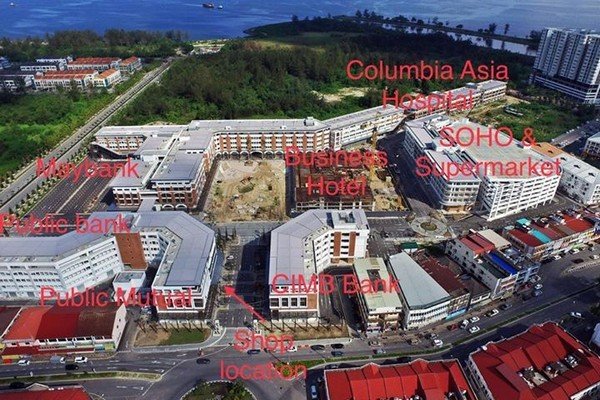
The Surprise Shift in Miri’s Property Hotspots
Over the past decade, Miri has matured from a modest coastal city into one of Sarawak’s most active economic hubs. While traditional central areas like Bandar Miri remain consistently strong, new locations have begun to emerge as preferred choices for both residential and commercial buyers. Areas such as Desa Senadin, Lutong Bazaar, Krokop, Desa Pujut, and Batu Niah show notable increases in real transaction activity.
What makes this trend even more interesting is the diversity of properties being purchased. The data indicates that Miri is not driven solely by residential demand. Instead, a broad mix of property types — particularly shoplots and service apartments — is reshaping the city’s investment landscape.
A Short Story From the Ground: How One Investor Saw the Trend Early
Two years ago, a local investor named Daniel began studying property movement in Miri. While many were still focused on established districts, Daniel noticed how quickly new businesses were moving into northern corridors like Senadin and Lutong. He invested in a 3½-storey shoplot in a growing commercial zone. Today, that unit has doubled in value, and the tenant demand is continuous.
Daniel’s success mirrors what the latest sales data confirms: growth is no longer centralized. It is expanding outward, creating a ring of opportunity around Miri’s core.
Commercial Shoplots Lead the Market: A Deep Dive Into Buyer Demand
Among all property types recorded, commercial shoplots display the strongest activity. These include:
- 2 – 2½ Storey Shoplots
- 3 – 3½ Storey Shoplots
- 4 – 4½ Storey Shoplots
- 6 – 6½ Storey Commercial Buildings
These units have become the backbone of Miri’s commercial evolution. They cater to a variety of businesses — from cafés and boutique retail shops to offices, tuition centers, and specialized services. Given the continuous urbanization of Miri, demand for commercial space is expected to grow throughout 2026.
Why Shoplots Are So Popular in Miri
Several factors influence this rising popularity:
- Expanding middle-class population fueling retail and service businesses.
- Development of new commercial centers in areas like Senadin, Lutong, and Desa Pujut.
- Attractive rental yields that surpass many residential properties.
- Steady tenant demand from both SMEs and franchise brands.
As businesses seek affordable yet strategic locations, shoplots remain the preferred choice, allowing owners to secure long-term returns while participating directly in Miri’s economic growth.
Service Apartments and SOHO/SOFO/SOVO: The New Urban Lifestyle Picks
Parallel to commercial growth, the rise of service apartments and mixed-use units (SOHO, SOFO, SOVO) tells another story: urban convenience is becoming a priority for younger buyers. With more people migrating to Miri for education, work, and business, high-density living options are increasingly attractive.
These units typically offer flexible layouts suitable for both living and working, making them ideal for online entrepreneurs, freelancers, or professionals wanting a compact, modern space near essential amenities.
What the Data Suggests About This Segment
The transaction patterns indicate strong interest near Miri’s business districts, particularly around Bandar Miri and its surrounding commercial hubs. Buyers tend to be:
- Young professionals looking for lifestyle-oriented locations.
- Small business owners seeking dual-purpose spaces.
- Investors chasing rental income and shorter vacancy periods.
As Miri continues to develop its urban identity, service apartments and SOHO/SOFO/SOVO units are expected to remain among the most active segments in 2026.
Location Analysis: Where the Most Activity Is Happening
Based on recent NAPIC transaction data, several key areas stand out across Miri and its surrounding districts. These hotspots demonstrate significant buying interest and steady market movement:
- Bandar Miri — The city’s commercial heart, consistently recording strong transactions.
- Lutong Bazaar — Driven by rapid business development and increasing residential activity.
- Desa Senadin — One of the fastest-growing suburban regions with a rising student population.
- Krokop — A mature area with stable property values and high business traffic.
- Batu Niah — Emerging as a secondary commercial and industrial hub.
- Desa Pujut — Popular among families and investors due to its strategic location.
These areas collectively represent the evolving backbone of Miri’s property ecosystem. Their individual strengths contribute to a diverse market that appeals to buyers from different backgrounds.
The Growing Appeal of Rural-Adjacent Markets
While most attention focuses on central zones, several rural-adjacent areas like Bakong, Niah Goodwill Garden, and Lutong Baru Commercial Centre are quietly gaining traction. These regions offer lower entry costs yet promising future growth due to ongoing infrastructure upgrades.
Investors who prefer long-term strategies often target these districts, anticipating capital appreciation as development gradually moves outward. This trend has already started showing results in transaction volumes recorded throughout 2024 and early 2025.
How Infrastructure Shapes Buying Behaviour
New roads, improved accessibility, and better public facilities play a major role in shaping property demand. In Miri, several infrastructure improvements — particularly those connecting rural sectors to urban commercial areas — are influencing market activity.
As accessibility improves, areas once considered “too far” quickly transform into high-value prospects. This explains the recent rise in purchases across previously quiet townships.
Investment Strategies for 2026 Based on Transaction Data
For investors, understanding real transaction patterns is more reliable than relying on speculation. The Open Sales Data offers clear insights into where money is actually flowing. Based on this data, several strategic approaches can be applied to Miri’s 2026 property environment:
1. Target Commercial Growth Nodes
Miri’s strongest data-backed opportunities lie in commercial sectors. Investors should prioritize areas where shoplot transactions are increasing, especially in expanding townships like Senadin and Lutong. These areas offer rental stability and business-driven demand.
2. Consider Mixed-Use Units for Younger Tenants
Service apartments and SOHO/SOFO/SOVO units offer fast leasing cycles, making them ideal for rent-based strategies. Their appeal is expected to grow as more professionals migrate to Miri for education, oil & gas jobs, and new commercial opportunities.
3. Explore Up-and-Coming Peripheral Townships
Emerging areas such as Batu Niah and Bakong show promising early indicators. Although these regions may require patience, their long-term upside aligns with Sarawak’s broader development roadmap.
4. Balance Risk With Real Demand
Instead of following hype alone, investors can use transaction data to identify real buyer and tenant behavior. This reduces investment risk and increases the likelihood of sustained returns.
Miri’s Market Outlook for 2026 and Beyond
The indications are clear: Miri is set for continued property expansion well into 2026 and beyond. The city’s strengthening commercial ecosystem, rising population inflow, and diverse investment zones make it one of the most dynamic markets in Sarawak.
As new infrastructure continues to roll out across the region, suburban and satellite townships are expected to gain more relevance. Meanwhile, central commercial hubs will remain competitive, particularly for high-return shoplot investments.
For anyone actively monitoring the market, regularly reviewing the official Open Sales Data is a wise strategy. Doing so ensures you stay ahead of shifts and identify opportunities before the general public catches on.
Frequently Asked Questions (FAQ)
Is Miri a good place to invest in property in 2026?
Yes. With strong commercial activity, expanding townships, and stable demand for both residential and mixed-use properties, Miri remains one of Sarawak’s most promising investment destinations.
Which property types are most in demand according to recent data?
The latest transaction data highlights high demand for commercial shoplots, service apartments, and mixed-use SOHO/SOFO/SOVO units.
Which areas in Miri show the strongest growth?
Bandar Miri, Lutong Bazaar, Desa Senadin, Desa Pujut, Krokop, and Batu Niah have all shown significant transaction movement.
Are rural-adjacent markets worth considering?
Yes. Areas like Bakong and Niah Goodwill Garden are becoming attractive long-term investment locations due to new infrastructure and rising accessibility.
Where can I monitor updated property transaction data?
You can access Malaysia’s official and updated Open Sales Data at NAPIC’s website.
📈 Looking for Ways to Grow Your Savings?
After budgeting or planning your property expenses, explore smarter investing options like REITs and stocks for long-term growth.
📈 Start Trading Smarter with moomoo Malaysia →(Sponsored — Trade REITs & stocks with professional tools)
