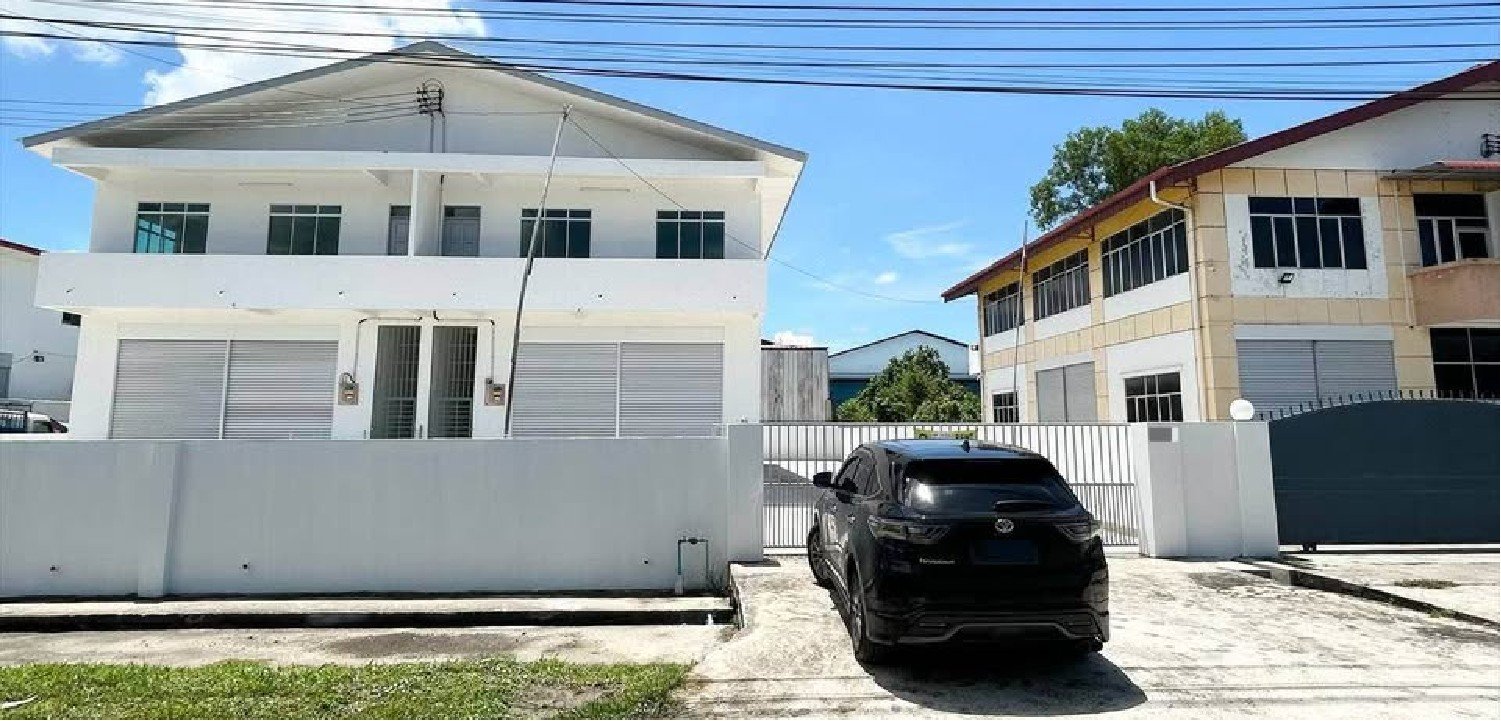
The industrial landscape of Miri has long been shaped by its reputation as a hub for oil & gas support services, logistics, and regional trade. Yet 2024 marked a turning point—one that pushed the city firmly into the spotlight as one of Sarawak’s fastest-growing industrial corridors. Backed by real transaction data published through the official NAPIC Open Sales platform, available at NAPIC Open Sales Data, the numbers reveal a market expanding with confidence.
What makes the shift so compelling is not just the volume of transactions, but the diversity of industrial properties changing hands. From modest terraced factories to sprawling detached warehouses exceeding 3,000 square meters of land area, the Miri industrial market is showcasing both breadth and depth. This detailed analysis explores the factors shaping this momentum, the zones attracting keen interest, and the outlook for 2026 and beyond.

The Data Behind Miri’s Rising Industrial Demand
Between 2021 and 2025, NAPIC’s records show consistent industrial activity in Miri, placing it among Sarawak’s most active industrial markets. The data reveals that factory transactions in Miri frequently exceed RM1 million, with the highest recorded sale reaching nearly RM7 million for a large detached warehouse.
The pricing alone tells a story of demand driven not only by expansion of established businesses, but also by new investment and diversification into industrial services. In 2024, transaction values climbed steadily as more SMEs and large corporations sought strategically located industrial units within the city’s growing industrial belts.
What makes this growth meaningful is that it isn’t speculative—it is backed by recorded transactions that reflect real capital movement. For stakeholders tracking market trends, the NAPIC dataset becomes an indispensable lens for evaluating where momentum is building and why.
Desa Senadin: The Industrial Zone Transforming Miri’s Northern Corridor
Few industrial areas have experienced transformation as quickly as Desa Senadin. Once primarily known for residential development, the area now stands as one of the most active industrial hotspots in Miri. Several transactions recorded in the NAPIC dataset point to a surge of purchases involving detached and semi-detached factories in this district.
With land areas ranging from 700 sq.m to over 3,400 sq.m, Desa Senadin’s industrial offerings appeal to firms seeking space for warehousing, light manufacturing, or oil & gas support equipment storage. Its location—close to commercial precincts and major access roads—has made it particularly attractive for businesses relocating from overcrowded zones.
The rise of Desa Senadin reflects a wider trend: companies are expanding outward from the central districts into newer, more spacious industrial estates that offer long-term growth potential.
A Story of Growth: How One Industrial Purchase Signaled the Area’s Shift
In 2024, a logistics firm purchased a large detached warehouse in Desa Senadin for over RM6 million. According to local agents, the buyer had previously faced space constraints and logistical bottlenecks in older industrial zones. Their move to Desa Senadin not only provided the room they needed for expansion, but also triggered a wave of interest from other companies eyeing similar upgrades.
This ripple effect has since reshaped market dynamics, prompting developers and investors to pay much closer attention to the area’s long-term potential.
Krokop: Miri’s Mature Industrial Powerhouse
While new zones continue to expand, Krokop remains the backbone of industrial activity in central Miri. Transactions in this mature district often involve higher-value properties, reflecting its established reputation, central location, and access to major traffic routes.
Factories in Krokop, especially those with land parcels exceeding 2,500 sq.m, consistently command premium prices. Buyers value the district’s proximity to the city centre, its accessibility, and the operational convenience it offers to businesses that rely heavily on logistics or customer-facing services.
Unlike newer zones, Krokop provides a different kind of appeal—one rooted in long-standing infrastructure and business continuity.
The Legacy Appeal of Krokop’s Industrial Properties
Despite the district’s maturity, property demand remains robust. For some companies, relocating outside Krokop would require sacrificing customer accessibility. For others, the established infrastructure—road networks, utilities, operational facilities—offers a reliability newer districts are still developing.
This unique blend of stability and accessibility ensures that Krokop continues to attract industrial buyers year after year.
Key Trends Shaping Miri’s Industrial Property Market
The 2024 data points to several clear trends driving momentum across Miri’s industrial zones. By understanding these patterns, investors can better predict where opportunities lie and which sectors are primed for growth.
1. Rising Demand from Oil & Gas Support Services
Miri’s longstanding relationship with the oil & gas industry continues to influence property demand. Many buyers in 2024 represented companies directly or indirectly tied to this sector. These businesses typically require large storage areas, workshops, and specialized facilities, making Miri’s industrial zones especially attractive.
2. Logistics and Warehousing Growth
With northern Sarawak expanding as a logistics corridor, demand for warehouses, storage facilities, and distribution hubs has grown significantly. Companies that once operated from small premises now seek larger, more modern industrial units.
3. Preference for Leasehold Industrial Properties
Most industrial transactions in the dataset involved leasehold properties. Buyers prefer them for their affordability, long-term tenure, and inclusion in designated industrial estates where operations are streamlined.
4. Expansion of SME Manufacturing Capacity
SMEs form the backbone of Miri’s industrial sector, and their increasing demand for mid-sized factories (500 sq.m to 1,500 sq.m) continues to support market activity. These businesses include food processing, light manufacturing, machining, and specialized equipment services.
Land Size and Pricing: What the Numbers Reveal
Industrial properties in Miri show a wide range of land sizes and corresponding price points. Based on the NAPIC data, several important patterns emerge.
- Small to mid-sized units (700–1,500 sq.m) typically transact between RM1 million and RM2.5 million.
- Larger detached warehouses (2,000–3,500 sq.m) often sell between RM4 million and RM7 million.
- Terraced and semi-detached factory units remain popular among SMEs seeking cost-effective options.
The variety of sizes and prices ensures that Miri’s industrial market appeals to both established corporations and growing small businesses.
The Road Ahead: What to Expect in 2026
With transaction activity showing no signs of slowing, Miri is expected to maintain its strong industrial performance into 2026. Developers are increasingly exploring new industrial land releases, while buyers continue to seek strategically located units close to logistical corridors.
The growth of digitalisation, e-commerce, and regional trade will only intensify demand for modern warehouses and industrial floorspace. As new sectors emerge—including green technology and advanced manufacturing—Miri’s industrial zones are likely to evolve even further.
Investors who monitor the market early will have a competitive edge as available industrial land becomes more limited and values continue to appreciate.
Frequently Asked Questions (FAQ)
1. Where can I find official industrial property data for Miri?
You can review verified transaction records directly on the official NAPIC portal at NAPIC Open Sales Data. The platform includes sales data for industrial, residential, and commercial properties across Malaysia.
2. Are industrial properties in Miri mostly leasehold?
Yes. Most industrial zones in Miri consist of leasehold properties, as reflected in the recorded transactions. However, leasehold tenure remains attractive due to affordability and industrial zoning benefits.
3. Which industrial area in Miri has the highest transaction values?
Krokop consistently records some of the highest-value transactions due to its central location, mature infrastructure, and established business ecosystem.
4. Is Desa Senadin a good area for industrial investment?
Desa Senadin is one of Miri’s fastest-growing industrial zones. With multiple recorded transactions and expanding development, it offers strong long-term investment potential.
5. What price range should buyers expect for factories in Miri?
Industrial properties in Miri typically range from RM1 million for smaller terraced units to RM7 million for large detached warehouses, based on NAPIC’s recorded transaction data.
Conclusion
Miri’s industrial property market in 2026 showcases a city on the rise, driven by real economic forces and validated by transparent transaction data. With strong performance across Desa Senadin, Krokop, and other key industrial zones, the city continues to attract investors, businesses, and developers seeking strategic industrial opportunities. As 2026 approaches, the trends point to even greater momentum—and Miri’s position as a northern Sarawak industrial powerhouse is now clearer than ever.
📈 Looking for Ways to Grow Your Savings?
After budgeting or planning your property expenses, explore smarter investing options like REITs and stocks for long-term growth.
📈 Start Trading Smarter with moomoo Malaysia →(Sponsored — Trade REITs & stocks with professional tools)

Danny H is a real estate negotiator in Miri, specializing in residential and commercial properties. He provides trusted guidance, updated listings, and professional support through MiriProperty.com.my to help clients make confident property decisions.