
Why Comparing Investments Locally Matters in Miri
Investment advice in Malaysia often uses big-city data and assumptions. For Miri residents, this can be misleading because income patterns, job stability, and property demand behave differently in a smaller, resource-linked city. A strategy that sounds convincing on social media may not fit the realities of Miri households.
Miri’s economy is closely tied to oil and gas, supporting services, government employment, and cross-border activity with Brunei. Many households experience income cycles linked to contracts, offshore rotations, and business seasonality. This affects how comfortably they can commit to large monthly instalments or long holding periods.
Property prices in Miri and wider Sarawak tend to move more slowly than in major metropolitan centres. Affordability is generally better, but demand is more sensitive to employment changes and public-sector projects. For investors, this means capital appreciation is usually steadier and more modest, while rental markets are driven by actual job needs rather than speculative buying.
When people talk about “return” in Miri, they often mean different things. Some want stable income to cover children’s schooling, while others focus on long-term retirement security or preserving value in RM. Understanding what “return” means for your household is more important than chasing any single investment product.
Understanding Property as an Investment in Miri
Property investment in Miri usually delivers return through two main channels: rental income and potential capital appreciation. Rental income depends on location, tenant profile, and property type, such as staff housing near industrial areas, student rentals near education hubs, or family homes in established residential areas. Capital appreciation reflects long-term demand for housing, infrastructure improvements, and the city’s economic outlook.
Holding costs are an important part of the calculation. Owners must consider loan instalments, quit rent and assessment, insurance, maintenance, repairs, and possible management fees. In some years, repair costs such as roof leaks or major refurbishments can wipe out several months of rental profit, especially for older landed properties common in Miri.
Property is relatively illiquid compared to other investments. Selling a house or apartment in Miri can take months, especially during slower market periods or when buyers are struggling with loan approvals. Maintenance and vacancy risk are real: if a tenancy ends unexpectedly or offshore workers are reassigned, the unit may stay empty while instalments continue.
In Miri, property demand is closely tied to employment and infrastructure, not short-term speculation. Areas near oil and gas hubs, industrial estates, or government offices often have consistent tenant pools. Investors who study actual employment patterns and long-term urban planning usually face fewer surprises than those counting on quick “flips.”
Property vs Fixed-Income Options
Comparing Property with Fixed Deposits and EPF
Fixed deposits (FD) in local banks give predictable interest and high liquidity compared with property. For Miri residents, FDs are commonly used as a parking place for emergency funds and business reserves because they can be broken when needed, albeit with lower interest. The “return” is modest but stable and requires no active management.
EPF functions as a long-term, forced-savings mechanism for salaried employees. Contributions from salary and employer create a disciplined base for retirement, with compounded returns over decades. For many Miri households, EPF is the main formal retirement asset, while property becomes an additional store of value or income source.
Property offers the possibility of rental income that, over time, can outpace FD interest in RM terms, especially when loans are gradually paid down. However, it involves higher commitment, less flexibility, and more active management. Unlike EPF and FD, property investors must handle tenant issues, repairs, and financing risk.
Dividend-Style Income vs Rental Income
Some investors in Miri like dividend-style investments such as conservative unit trusts or income funds, which send out distributions regularly. These are generally simpler to manage, with income based on fund performance and underlying holdings. They can be bought and sold relatively quickly compared to selling a house.
Rental income from property can feel more tangible, especially when tenants are long-term families or staff from stable employers. However, it is uneven over the year, with possible gaps during vacant periods or when tenants delay payment. Owners also face the cost and time of finding and screening new tenants in a market that is not always deep.
Households with very stable salaries and long job tenures can usually handle the irregularities of rental income better. Those with uncertain cash flow, such as small traders or contractors, may find a mix of EPF, FDs, and dividend funds more comfortable, using property only when they have stronger reserves.
Property vs Financial Market Investments
Property vs Stocks and Unit Trusts
Stocks give direct exposure to company performance but can be volatile from day to day. For Miri investors, this volatility can feel stressful, especially if they check prices frequently or lack experience interpreting business results. Unit trusts reduce single-company risk by offering diversification, though they still move with the market.
Property values in Miri usually move more slowly, with prices adjusting over longer periods rather than daily. This can make them feel emotionally “safer,” even though large loans mean the financial exposure is significant. Because there is no daily price quote, owners are less likely to panic-sell, but this can also delay necessary decisions when the market changes.
Stocks and unit trusts require less capital to start. A few hundred or thousand ringgit can be invested and diversified, whereas property typically needs tens of thousands of RM for down payment, legal fees, and initial renovations. For younger or lower-income residents in Sarawak, financial markets can be a practical way to begin investing before taking on property debt.
Property vs REITs
REITs (Real Estate Investment Trusts) allow investors to own units in professionally managed portfolios of properties. They pay distributions based on rental income, but the unit prices can move like stocks. For Miri residents, REITs offer exposure to property without the responsibility of direct ownership.
Direct property in Miri gives more control over location, tenant profile, and improvement decisions. However, it concentrates risk into a small number of units, often just one or two, tied to a specific area of the city. REITs, in contrast, spread risk across many properties and tenants but give no say over management decisions.
From a behavioural perspective, some investors in Sarawak find REITs easier to hold because they do not see the physical wear and tear and do not deal with tenant issues. Others prefer direct property because they can “see and touch” the asset and feel more comfortable knowing the local area. Neither is automatically superior; the better fit depends on personality, knowledge, and time commitment.
Property vs Alternative and Store-of-Value Assets
Gold and Precious Metals
Gold is often treated in Sarawak as a store of value against currency risk and inflation. It does not produce income by itself but can help preserve purchasing power over long periods. Many households buy physical gold or jewellery, which can be sold when cash is urgently needed.
Property, in contrast, is both a store of value and a potential income-generating asset through rent. However, property is less liquid and carries higher ongoing costs. For Miri investors, gold can function as a portable reserve, while property forms the “heavier” part of the portfolio tied to the city’s long-term prospects.
Land Banking and Speculative Land
Some local investors consider agricultural or future-development land around Miri, hoping for future conversion or infrastructure projects. While the entry price per acre can seem attractive, these investments often produce no income for many years. They may also involve unclear titles, access issues, or reliance on speculative future plans.
Compared with residential property in established neighbourhoods, land banking is usually higher risk and less predictable in terms of timing. It may suit investors with very long horizons and no need for immediate income, but it should be approached cautiously and with proper legal checks.
Digital Assets
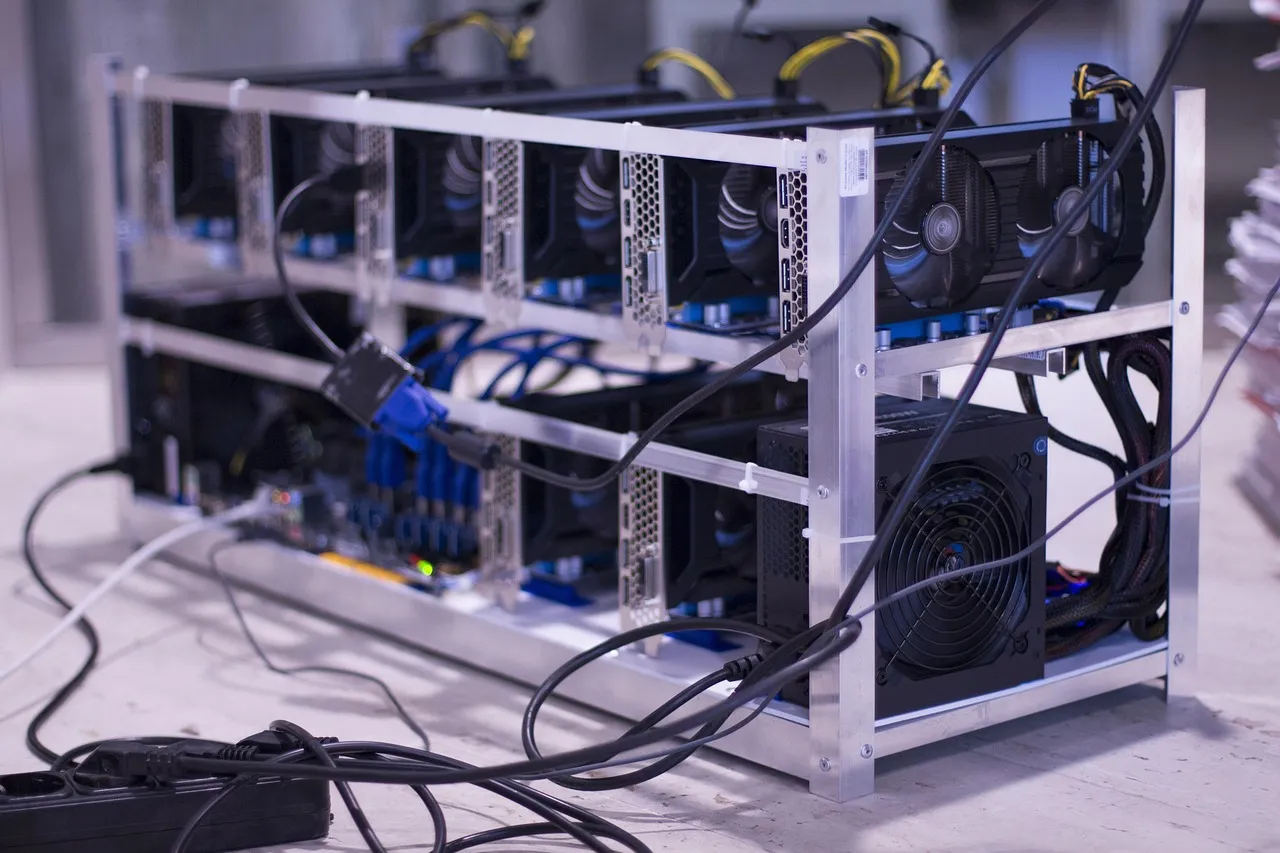
Digital assets such as cryptocurrencies attract attention in online discussions, including among younger Sarawak investors. Their prices can move sharply in short periods and are influenced by global sentiment rather than local economic factors. This makes them difficult to fit into a steady, long-term plan for many Miri households.
Unlike a rental house, digital assets do not provide stable cash flow in RM, and regulatory frameworks continue to evolve. They may have a place as a small, speculative component for those who fully understand the risks, but they should not be confused with core retirement or family security assets.
Risk, Liquidity, and Cash Flow Trade-Offs
Each investment type involves a different balance between entry cost, exit ease, and cash flow patterns. Property generally has a high entry cost: down payment, legal fees, stamp duty, valuation, and initial repairs can easily reach RM30,000–RM60,000 for typical residential units. In contrast, starting an FD or a unit trust can require as little as a few hundred or a few thousand RM.
Liquidity is also very different. An FD or unit trust can often be converted to cash within days, though sometimes with small penalties or price movement. A property sale in Miri may take three to six months or more from decision to completion, especially when buyers face strict loan assessments or valuation constraints.
Cash flow timing matters during income disruptions. For example, if a family with a RM2,000 monthly housing instalment faces a job loss, they may struggle if the unit is vacant or if finding a buyer takes many months. In contrast, drawing from a mix of EPF Account 2 withdrawals (where allowed), FDs, and REIT distributions can offer more flexibility and smaller, more controllable adjustments.
Simple RM-based thinking helps: if a household can comfortably set aside RM1,000 a month, choosing between topping up EPF-like savings, building FDs, or servicing an investment property loan will lead to very different risk profiles. There is no single correct answer; the key is matching commitments to realistic cash flow resilience.
Matching Investment Choices to Income and Life Stage
Salaried Workers
Salaried workers in Miri, such as public servants, oil and gas staff, and corporate employees, often have more predictable monthly income. This makes it easier for them to service property loans and gradually build equity. However, job changes, contract renewals, and transfers still need to be considered when choosing location and loan tenure.
For these workers, a balanced mix of EPF, some liquid savings, and carefully chosen property can work well. Overcommitting to multiple properties without emergency reserves can create unnecessary stress, even for stable earners.
Business Owners and Self-Employed
Business owners in Miri, including small contractors, traders, and professionals, often face fluctuating income. Their cash flow may be strong in good months but weaker in others. For them, high fixed instalments can be risky unless they maintain large liquidity buffers.
Some use commercial or residential property to house their operations or as long-term investments, but they must plan for quieter business periods. Maintaining accessible funds in FDs or flexible investment accounts can help bridge gaps without forced sales of property.
Families and First-Time Buyers
Families typically prioritise housing stability, education needs, and future retirement. For many in Miri, the first property is mainly a home, with investment as a secondary benefit. This property still affects overall financial flexibility, so loan amount, location, and renovation spending need careful planning.
First-time buyers often hesitate between buying a home or continuing to rent and invest in EPF, unit trusts, or REITs. The right choice depends on job stability, family plans, and how affordable the monthly instalment is relative to income. Owning a modest, manageable property while continuing to build financial assets can provide both stability and diversification.
- If an investment commitment survives a realistic income-drop scenario, it is more likely to fit your profile.
- If you need cash quickly and often, highly illiquid assets should stay a smaller portion of your portfolio.
- If you dislike active management, simpler financial products may suit you better than multiple rental units.
- If you have strong local knowledge and networks, direct property in Miri can complement other assets.
Common Investment Mistakes Seen in Miri
One frequent mistake is overstretching for property based on optimistic rental projections. Investors may assume continuous tenancy at high rent, only to face vacancies, lower-than-expected demand, or higher maintenance costs. This can strain household budgets and create tension around loan repayments.
Another issue is chasing high-return stories without proper liquidity planning. Some put most of their savings into illiquid property or speculative land, leaving little for emergencies. When health or job issues arise, they may have to borrow at high cost or sell assets under pressure.
Copying strategies from larger cities, such as aggressive flipping or highly leveraged multi-unit purchases, can be risky in Miri’s slower, employment-driven market. The rental pool is smaller and more sensitive to project cycles. Local investors are better served by studying actual demand drivers in specific neighbourhoods rather than copying online “formulas.”
In Miri, a sustainable investment plan usually comes from aligning commitments with realistic income patterns, not from chasing the highest potential percentage return on paper.
Practical Takeaways for Miri-Based Investors
Property makes sense when you understand the local tenant base, can comfortably hold through vacancies, and have enough reserves for repairs and personal emergencies. It also fits when your job or business is anchored in Miri and you plan to stay long enough to benefit from gradual capital growth.
Other investments such as EPF, FDs, unit trusts, and REITs may be more suitable when your income is uncertain, you expect to move, or you value flexibility over control. They also help younger investors start with smaller amounts before committing to a 20–35-year loan. Gold and, for some, small allocations to digital assets can play supporting roles as stores of value or speculative positions, not as the foundation of long-term security.
Combining multiple assets is often more robust than going “all-in” on any one choice. A practical blend for many Miri households might include EPF as the retirement base, a home that is realistically affordable, some liquid savings in FDs or money market funds, and, where appropriate, a carefully selected investment property or REIT exposure.
Comparison Table: Investment Characteristics in Miri Context
| Investment type | Risk level | Liquidity | Income style | Suitability in Miri |
| Residential property | Medium to high (leverage, vacancy) | Low (months to sell) | Rental income, irregular | For stable earners with reserves and local knowledge |
| Fixed deposits | Low | High (days to access) | Fixed interest, predictable | Emergency funds, short-term goals, business buffers |
| EPF | Low to medium (long-term market exposure) | Low (restricted access) | Compounded, reinvested returns | Core retirement savings for salaried workers |
| Stocks/unit trusts | Medium to high (market volatility) | High (days to sell) | Dividends/distributions plus price changes | For investors seeking growth and diversification with smaller capital |
| REITs | Medium (property plus market risk) | High (listed; days to sell) | Rental-based distributions | Property exposure without direct management burden |
| Gold | Medium (price cycles) | Medium to high (can be sold but with spreads) | No regular income | Store of value and emergency reserve complement |
FAQs for Miri-Based Investors
1. Should I prioritise property or EPF for my future?
EPF is usually the backbone of retirement planning for salaried workers because it forces regular saving and compounds over time. Property can complement EPF by providing a place to live or additional rental income, but it should not come at the expense of completely neglecting EPF contributions or basic savings.
2. What rental income should I realistically expect from a property in Miri?
Rental levels vary by area, property age, and tenant profile, but investors should always run numbers assuming conservative rents and occasional vacancies. It is safer to plan based on rent that covers most, but not necessarily all, of the instalment, with the understanding that you may need to top up or set aside reserves during quiet periods.
3. How big is the liquidity risk if I invest heavily in property?
Liquidity risk is significant because selling a house or apartment can take months, and prices may not match your expectations at the time you need cash. If most of your wealth is in property and you face a sudden medical or income emergency, turning that property into cash quickly can be difficult and stressful.
4. I am a first-time buyer in Miri. Should I wait and invest in other assets instead?
Waiting can make sense if your income is still unstable, you have little or no emergency savings, or you are unsure where you will live in the next few years. However, if you have steady income, a clear plan to stay in Miri, and can afford a modest property without stretching, buying a home while still contributing to EPF and keeping some liquidity can be a balanced approach.
5. Can I depend fully on rental income for retirement in Miri?
Depending entirely on rental income is risky because tenants, market conditions, and maintenance needs can change. A more resilient plan is to combine EPF, some liquid investments, and rental income, so that no single source has to carry all your retirement needs.
This article is for educational and comparative understanding purposes only and does not constitute financial,
investment, or professional advice.
📈 Want Steadier Income Without Buying Property?
👉 Explore REIT Investing with a Smarter Trading App
Perfect for investors focused on steady income & long-term growth.
Join moomoo Malaysia here ➤
https://j.moomoo.com/0xwSKj
🏠 Find Property in Miri
- Latest Property For Sale in Miri
- Latest Property For rent in Miri
- New Project Launches in Miri
- Latest Land For Sale in Miri
- Search properties by keys area in Miri
- Property Agent in Miri
- Property Guides & Tips (Malaysia)
⚠️ Disclaimer
This article is provided for general property information and educational purposes only.
It does not constitute legal, financial, or official loan advice.
Information related to pricing, loan eligibility, and property status is subject to change
by property owners, developers, or relevant institutions.
Please consult a licensed real estate agent, bank, or property lawyer before making any
property purchase or rental decisions.
📈 Looking for Ways to Grow Your Savings?
After budgeting or planning your property expenses, explore smarter investing options like REITs and stocks for long-term growth.
📈 Start Trading Smarter with moomoo Malaysia →(Sponsored — Trade REITs & stocks with professional tools)
