
Why Comparing Investments Locally Matters in Miri
Miri investors often hear advice designed for larger, faster-growing cities or national averages. When this advice is copied directly, it can mislead households whose income, job stability, and property markets look very different. Local decisions need to reflect local cash flow and price realities.
Miri’s economy is shaped by oil and gas, supporting services, small businesses, and public sector employment. Income can be cyclical for contractors and more stable for government-linked and professional roles. Property prices have generally moved slower, with more modest appreciation, so assumptions of quick gains can be risky.
For some households in Miri, “return” means steady monthly cash flow to support family expenses. For others, it means long-term asset growth for retirement or children’s education. Understanding which type of return matters to you is more important than chasing the highest percentage on paper.
Understanding Property as an Investment in Miri
Property investment in Miri typically combines two components: rental income and potential capital appreciation. Rental income depends heavily on tenant profiles such as oil and gas workers, civil servants, and local families who need housing close to work and schools. Capital appreciation tends to be slower and more location-specific, especially compared with heavily traded urban centres.
Holding property also comes with ongoing costs. Owners must budget for assessments, quit rent, maintenance fees for strata units, repairs, insurance, and occasional vacancy. A unit that looks profitable on gross rent can become less attractive after accounting for these holding costs.
Liquidity is a key issue. Selling a property in Miri can take months, especially if it is in less popular areas or if buyers face loan approval challenges. Maintenance and vacancy risks are very real: long vacancy between tenants, sudden repairs like roof leaks, or non-paying tenants can affect cash flow.
Healthy property investment in Miri is usually driven by employment-based rental demand rather than speculative flipping. Areas near industrial zones, educational institutions, hospitals, and well-connected residential townships tend to have more stable demand than remote projects marketed purely on future potential.
Property vs Fixed-Income Options
How Property Compares with Fixed Deposits and EPF
Fixed deposits (FDs) and EPF contributions are the most common fixed-income style options for Miri residents. FDs offer predictable interest with minimal effort, while EPF combines mandatory and voluntary savings for retirement with historically steady growth. Both are relatively hands-off and liquid compared to property.
Property in Miri, on the other hand, requires larger initial capital, bank loan commitments, and ongoing management. While potential returns can be higher over the long term, they depend on tenant stability, area development, and your ability to service the loan through economic ups and downs. EPF and FDs do not require you to answer tenant calls at night or handle repairs.
Predictability vs Effort
FDs and EPF are designed to be low-effort. You deposit money, and returns accrue quietly in the background. There is no need to advertise or negotiate with anyone, and there are clear rules for withdrawal, especially for EPF.
Property investment demands more active involvement. You or your agent must find tenants, collect rent, manage renewals, handle maintenance, and make decisions about refurbishments. The income can fluctuate when a tenant leaves or pays late, which makes it less predictable than fixed deposits or EPF contributions.
Which Income Profiles Lean Toward Which Option
For salaried workers in Miri who have stable monthly income, it can make sense to maintain a base of EPF and some FD savings for liquidity. Property may then be layered on carefully as a medium-to-long-term commitment. The key is not to sacrifice emergency funds just to secure a property.
For small business owners whose income may be irregular, locking in a big monthly loan repayment can be stressful during slow months. In such cases, a higher portion in EPF (voluntary contributions), FDs, or other more liquid instruments may provide a safety buffer before committing to property. Dividend-style income from conservative unit trusts can also supplement without adding fixed obligations.
Property vs Financial Market Investments
Property vs Stocks and Unit Trusts
Stocks and unit trusts allow Miri investors to access company profits and diversified portfolios with relatively small capital. They are more liquid: you can usually sell part or all of your holdings within days. However, prices can move daily, and short-term volatility can trigger emotional reactions.
Property values in Miri adjust much more slowly. You do not see daily price changes, which can make it feel emotionally safer. Still, the true value can shift over time with changing demand, infrastructure, and loan conditions. Property is less volatile on the surface but requires stronger commitment due to loan tenures and transaction costs.
Emotional Risk and Behaviour
In Miri, many investors are more comfortable with “something they can see,” like a house or apartment. This can reduce the urge to panic-sell during market noise. However, it may also cause overconfidence, leading some to take on too-large loans because the asset feels tangible.
Stocks and unit trusts require the discipline to avoid reacting to short-term price swings. For those without time or interest to follow markets, a simple, diversified fund approach may suit better than picking individual shares. Behaviour often matters more than the theoretical return of each asset.
Property vs REITs
Real Estate Investment Trusts (REITs) offer exposure to property income without direct ownership. Miri investors can buy REITs listed on Bursa Malaysia through a broker or local bank platform. This provides access to diversified commercial, retail, or industrial properties with lower capital and better liquidity than buying a building outright.
REIT distributions can feel similar to rent, but you do not control the underlying properties. You also avoid direct management responsibilities. For those who like property as an asset class but do not want tenant and repair issues, REITs can be a complementary option alongside or instead of physical property.
Property vs Alternative and Store-of-Value Assets
Property vs Gold
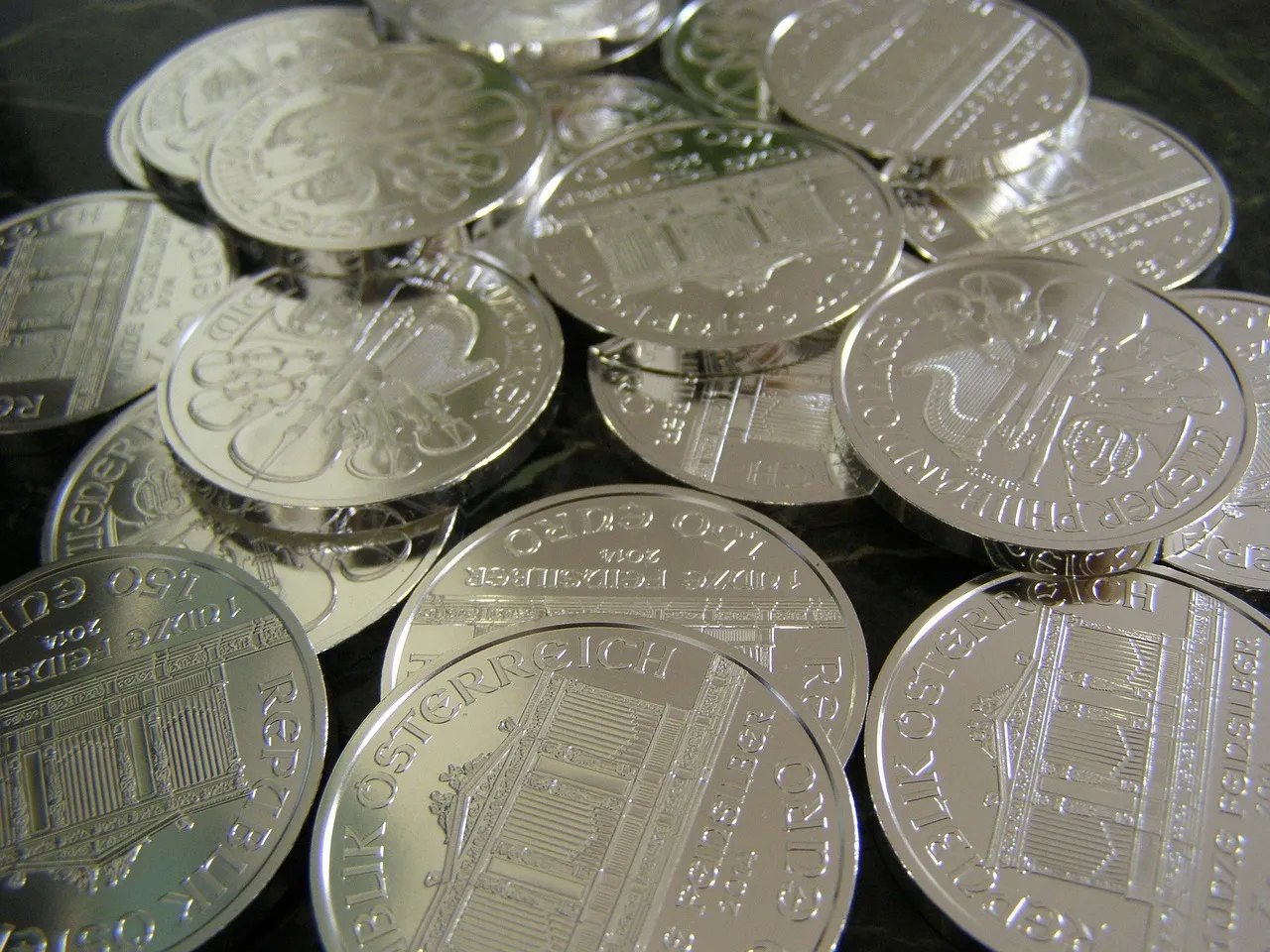
Gold is popular among Sarawak households as a store of value and cultural asset. It is relatively liquid and easy to store in small amounts, and it does not depend on tenants or developers. However, gold does not produce ongoing income; it mainly serves as protection against inflation and currency risk.
Property in Miri combines both store-of-value and productive characteristics if rented out. It can generate monthly cash flow in addition to potential long-term value growth. That said, property also carries higher transaction costs, taxes, and management responsibilities, which gold does not.
Land Banking and Semi-Rural Plots
Some Miri investors are attracted to land banking or buying semi-rural plots in areas outside main townships. These plots are often marketed as future development hotspots. While the entry price per square foot may seem low, liquidity can be very limited if there are few ready buyers.
Without clear infrastructure plans or genuine nearby economic activity, holding such land can tie up capital for many years. Unlike rental property, vacant land typically does not produce income unless used productively for agriculture or other activities. Understanding local land use and demand is critical before committing.
Digital Assets at a High Level
Some younger investors in Miri explore digital assets such as cryptocurrencies. These can show large price swings in short periods and are accessible with small amounts of capital. However, they are highly speculative and can be difficult to value, with regulatory and security risks.
Compared with physical property, digital assets are extremely liquid but also volatile. They may suit only the portion of funds that investors can afford to lose, rather than core savings for housing, children’s education, or retirement.
Risk, Liquidity, and Cash Flow Trade-Offs
Every investment in Miri involves trade-offs between risk, liquidity, and cash flow. Property often requires higher capital and loans, but offers potential rental income and long-term value. Fixed income products are safer and more liquid but grow more slowly.
Consider a simple illustration. A family in Miri has RM80,000 in savings. If they put RM60,000 as a down payment on a RM300,000 house and keep RM20,000 as cash, they commit to a 30-year loan with perhaps RM1,300–RM1,500 monthly instalments. Rental might be around RM1,000–RM1,200 depending on area, so they must be ready to cover gaps.
If the same family instead puts RM40,000 into EPF voluntary contributions and unit trusts and RM40,000 into FDs, they have lower potential upside but more flexibility. They can withdraw or reallocate in stages without committing to a fixed monthly loan. The right balance depends on their job stability, other debts, and family responsibilities.
| Investment type | Risk level | Liquidity | Income style | Suitability in Miri |
|---|---|---|---|---|
| Residential property | Medium to high | Low | Rental plus potential capital gain | For stable earners able to handle loans and vacancies |
| Fixed deposits | Low | High | Fixed interest | For emergency funds and short-term goals |
| EPF | Low to medium | Low | Compounding retirement savings | Core long-term retirement base for workers |
| Stocks/unit trusts | Medium to high | Medium to high | Dividends plus price movement | For those with tolerance for volatility and longer horizons |
| REITs | Medium | Medium to high | Distribution-focused | For investors wanting property exposure without direct ownership |
| Gold | Medium | Medium | No regular income | For store-of-value and diversification |
Matching Investment Choices to Income and Life Stage
Salaried Workers
Salaried workers in Miri with stable employment, such as in oil and gas, healthcare, education, or public service, can usually plan long-term. For them, a mix of EPF, some FD reserves, and carefully chosen property can make sense. The key is to avoid taking a loan that would strain them if overtime or allowances are reduced.
Starting with a first home that doubles as a manageable investment (for example, a unit that could later be rented) can balance security and future flexibility. Over time, they may add one or two more properties if cash flow remains strong.
Business Owners and Self-Employed
Business owners in Miri, especially in services, trading, or small industrial sectors, often face uneven income. For them, maintaining higher liquidity through FDs, flexible unit trusts, and some gold can provide a cushion during slow periods. Property may still play a role but should not compromise business cash flow.
Some business owners use property as a long-term wealth store outside their business. However, they need to model worst-case scenarios where both business revenue and rental demand are weak at the same time.
Families and First-Time Buyers
Families often prioritise housing stability, school access, and community over maximum return. A well-located, affordable home can offer emotional security and potential long-term value growth, even if rental yield is not the highest. Overstretching for a “dream house” can backfire if it restricts savings for emergencies and retirement.
First-time buyers in Miri sometimes hesitate between continuing to rent and buying. A realistic approach is to compare the all-in cost of ownership (loan, maintenance, insurance) against rent, while considering how long they plan to stay and how stable their job is. Investing smaller amounts into EPF top-ups or unit trusts while preparing for a future purchase can also be sensible.
Common Investment Mistakes Seen in Miri
One frequent mistake is overstretching for property based on optimistic rental or appreciation assumptions. Investors may commit to loan instalments that only work if the unit is never vacant and rent never drops. When income dips or repairs occur, stress builds quickly.
Another issue is chasing returns without planning for liquidity. Some residents put nearly all savings into illiquid assets like multiple properties or land, leaving little cash for health issues, education needs, or business opportunities. They may then be forced to sell at inconvenient times.
Copying strategies from much larger and faster-moving markets is also problematic. What works in a city with intense speculation and constant inflows of new residents may not translate to Miri’s more moderate growth and wage structure. Local rental demand and supply dynamics must be studied area by area.
Practical Takeaways for Miri-Based Investors
Property can make sense in Miri when it fits clearly into your overall financial picture. This usually means stable income, adequate emergency savings, realistic rental expectations, and a time horizon of at least several years. Properties close to employment centres, transport routes, and daily amenities tend to offer more resilient demand.
Other investments may be more suitable when you are still building an emergency fund, your income is highly unpredictable, or you expect major life changes soon. In such periods, FDs, EPF top-ups, balanced unit trusts, and smaller positions in REITs or gold can keep your options open while your situation stabilises.
- Your investment fits your profile if you can hold it through downturns without panicking.
- The monthly cash flow remains manageable even with lower-than-expected income.
- You understand how to exit the investment and how long that might take.
- It still allows you to save for retirement, children’s needs, and emergencies.
In Miri, the most resilient investors are usually those who accept moderate, consistent progress across several asset types rather than relying on a single, aggressive bet to secure their future.
FAQs for Miri-Based Investors
1. Should I focus on property or EPF for retirement?
EPF is designed as a structured retirement base with automatic contributions and compounding. Property can complement EPF by providing potential rental income or a fully paid-off home in later years. For most workers in Miri, building a solid EPF balance first, then adding property gradually, is more realistic than relying only on one or the other.
2. What rental income should I realistically expect in Miri?
Rental levels depend on location, property type, and tenant profile. Near major employment hubs, rents can be steady but may not rise quickly year to year. It is safer to base your planning on conservative rents and include a few months of possible vacancy in your calculations, rather than assuming full occupancy at high rates.
3. I worry that property is not liquid. Is this a big problem?
Property in Miri is indeed less liquid than financial assets. Selling can take months and may require price negotiation. This is manageable if you keep sufficient liquid savings in FDs, unit trusts, or cash so you are never forced to sell under pressure. Treat property as a long-term position, not something you can convert to cash quickly.
4. I am a first-time buyer. Should I wait and invest in other assets first?
If your income is still unstable or you have minimal savings, it can be wise to strengthen your financial base first. Building emergency funds, reducing high-interest debts, and starting EPF or unit trust contributions can put you in a better position to handle property ownership later. If your job is stable and you have adequate savings, buying a modest, affordable home can be a reasonable step without waiting indefinitely.
5. Can I treat my first home in Miri as both a place to live and an investment?
Yes, many residents do this, but it is important to view it as a hybrid decision. Your first home should primarily meet your family and lifestyle needs within a safe budget. Any future rental or resale potential is an added benefit, not the sole reason for buying.
This article is for educational and comparative understanding purposes only and does not constitute financial,
investment, or professional advice.
📈 Want Steadier Income Without Buying Property?
👉 Explore REIT Investing with a Smarter Trading App
Perfect for investors focused on steady income & long-term growth.
Join moomoo Malaysia here ➤
https://j.moomoo.com/0xwSKj
🏠 Find Property in Miri
- Latest Property For Sale in Miri
- Latest Property For rent in Miri
- New Project Launches in Miri
- Latest Land For Sale in Miri
- Search properties by keys area in Miri
- Property Agent in Miri
- Property Guides & Tips (Malaysia)
⚠️ Disclaimer
This article is provided for general property information and educational purposes only.
It does not constitute legal, financial, or official loan advice.
Information related to pricing, loan eligibility, and property status is subject to change
by property owners, developers, or relevant institutions.
Please consult a licensed real estate agent, bank, or property lawyer before making any
property purchase or rental decisions.
📈 Looking for Ways to Grow Your Savings?
After budgeting or planning your property expenses, explore smarter investing options like REITs and stocks for long-term growth.
📈 Start Trading Smarter with moomoo Malaysia →(Sponsored — Trade REITs & stocks with professional tools)
