
Why Comparing Investments Locally Matters in Miri
Investment advice often comes from big-city or national perspectives that assume higher incomes, frequent job changes, and fast-rising property prices. For residents in Miri and wider Sarawak, these assumptions do not always match daily realities. Using the wrong benchmark can lead to over-borrowing or taking risks that feel uncomfortable when the local economy slows.
Miri’s economy is closely tied to oil and gas, government-related employment, small businesses, and cross-border trade. Income can be cyclical, especially for those in offshore work, contractors, and SMEs. Property prices generally move slower than in more speculative markets, and rental demand usually follows real employment needs rather than short-term trends.
For some households, “return” means maximising long-term net worth. For others, it means stable monthly cash flow that survives job loss, health issues, or business downturns. Understanding these differences is crucial before comparing property with EPF, fixed deposits, stocks, or other assets from a Miri-based perspective.
Understanding Property as an Investment in Miri
Property investment in Miri typically offers two main forms of return: rental income and potential capital appreciation. Rental income depends on location, tenant quality, and realistic rental levels that local workers can afford. Capital appreciation usually reflects employment growth, infrastructure improvements, and long-term population trends rather than sudden jumps.
Holding costs can be significant. Owners must budget for loan instalments, assessment rates, quit rent, insurance, maintenance, repairs, and sometimes management fees. Even when a unit is empty, the bank still expects repayment, and these fixed obligations can stretch cash flow during slow periods.
Property is also less liquid than bank products or listed investments. Selling a house or apartment in Miri may take months, especially in areas with many similar units or limited buyer demand. Vacancy risk is real: if offshore projects slow or certain industrial activities move, specific rental segments can weaken, leaving landlords with no tenant and ongoing commitments.
Strong property strategies in Miri are usually built around employment-driven rental demand. Areas near industrial zones, offices, education hubs, and established neighbourhoods tend to maintain more stable occupancy. Speculating purely on price jumps without considering actual tenant profiles has historically led to cash flow stress for some local investors.
Property vs Fixed-Income Options
Fixed Deposits, EPF, and Dividend-Style Income
Fixed-income options such as fixed deposits (FDs) and conservative funds give Miri residents predictable but generally moderate returns. These instruments are simple: you place money with a bank or institution, receive regular interest or dividends, and face very little day-to-day effort. For many, this is the “sleep well at night” portion of their savings.
EPF plays a special role. Many Miri workers, especially those in formal employment and oil and gas support services, view EPF as their core retirement asset. Contributions are automatic, professionally managed, and generally designed for long-term steady growth rather than high short-term gains. For those without strong investment knowledge, EPF often serves as a disciplined savings structure.
Dividend-focused unit trusts or conservative income funds provide another layer of fixed-income exposure. These can suit investors who want periodic payouts without managing a tenant or worrying about physical assets. However, these funds still carry some market risk, and income may fluctuate year to year.
Predictability vs Effort
Property in Miri can produce rental income that, on paper, appears higher than fixed deposit interest. However, this comes with effort: screening tenants, managing repairs, handling late rental payments, and dealing with vacancy. Some landlords outsource management to agents, but that reduces net income and requires trust in the agent’s competence.
Fixed-income options, in contrast, require minimal time. Once funds are placed, you do not need to chase payments or fix leaking roofs. This predictability appeals to many salaried workers who already have demanding jobs, or older investors who value simplicity over active management.
Which Profiles Lean Toward Which Option
Households with stable salaries, strict monthly budgets, and limited surplus cash often lean more heavily toward EPF and fixed income, at least in the early years. They prioritise emergency savings and predictable returns to protect against job disruptions or family obligations. For them, buying too large or too many properties can create uncomfortable monthly pressure.
Business owners or professionals with variable but higher incomes may be better positioned to handle property-related volatility. As long as they maintain healthy cash reserves, they can absorb months of vacancy or unexpected repairs. However, even for them, keeping a portion of wealth in fixed-income instruments can provide a safety buffer during slow business cycles.
Property vs Financial Market Investments
Comparing with Stocks and Unit Trusts
Stocks and equity unit trusts give Miri investors access to business growth without owning or managing physical assets. Entry amounts can be small, and buying or selling is relatively quick. However, prices can move daily, sometimes sharply, which can be stressful for those unused to volatility.
Unlike a house in Tudan or Senadin that you can physically see, a stock is an abstract ownership claim. This can be emotionally challenging for investors who prefer tangible assets. At the same time, diversification is easier with financial markets than with property, because you can spread a moderate sum across many companies or funds.
Unit trusts are often used by Sarawak investors who want professional management but do not wish to monitor markets themselves. They still experience ups and downs, but the responsibility for individual stock selection is shifted to a fund manager. Fees, however, can eat into long-term returns if not monitored.
REITs vs Direct Property
Real Estate Investment Trusts (REITs) provide property exposure without buying a house or shop lot directly. For Miri residents, REITs listed on Bursa Malaysia can offer exposure to malls, offices, warehouses, and healthcare properties across various regions. Investors receive distributions linked to rental income, but they do not have to manage tenants.
REITs are more liquid than direct property. You can sell a portion of your holdings in days if needed, whereas selling a house may take months. However, REIT prices are still affected by market sentiment, interest rate expectations, and fund-level decisions, so they can fluctuate more rapidly than local house valuations.
Volatility, Emotion, and Time Horizon
Financial market investments require tolerance for visible volatility. Prices can drop even when underlying businesses are still sound, and this can cause investors to panic-sell. Many Sarawak investors who bought funds or stocks during “hot” periods later felt regret when markets corrected and they realised they had no clear plan.
Property prices in Miri move slower and are less visible day-to-day, which can reduce emotional stress. However, the stakes per decision are higher because each property purchase usually involves large financing commitments. Both property and financial markets reward investors who think in long-term horizons and avoid reacting solely to short-term noise.
Property vs Alternative and Store-of-Value Assets
Gold as a Store of Value
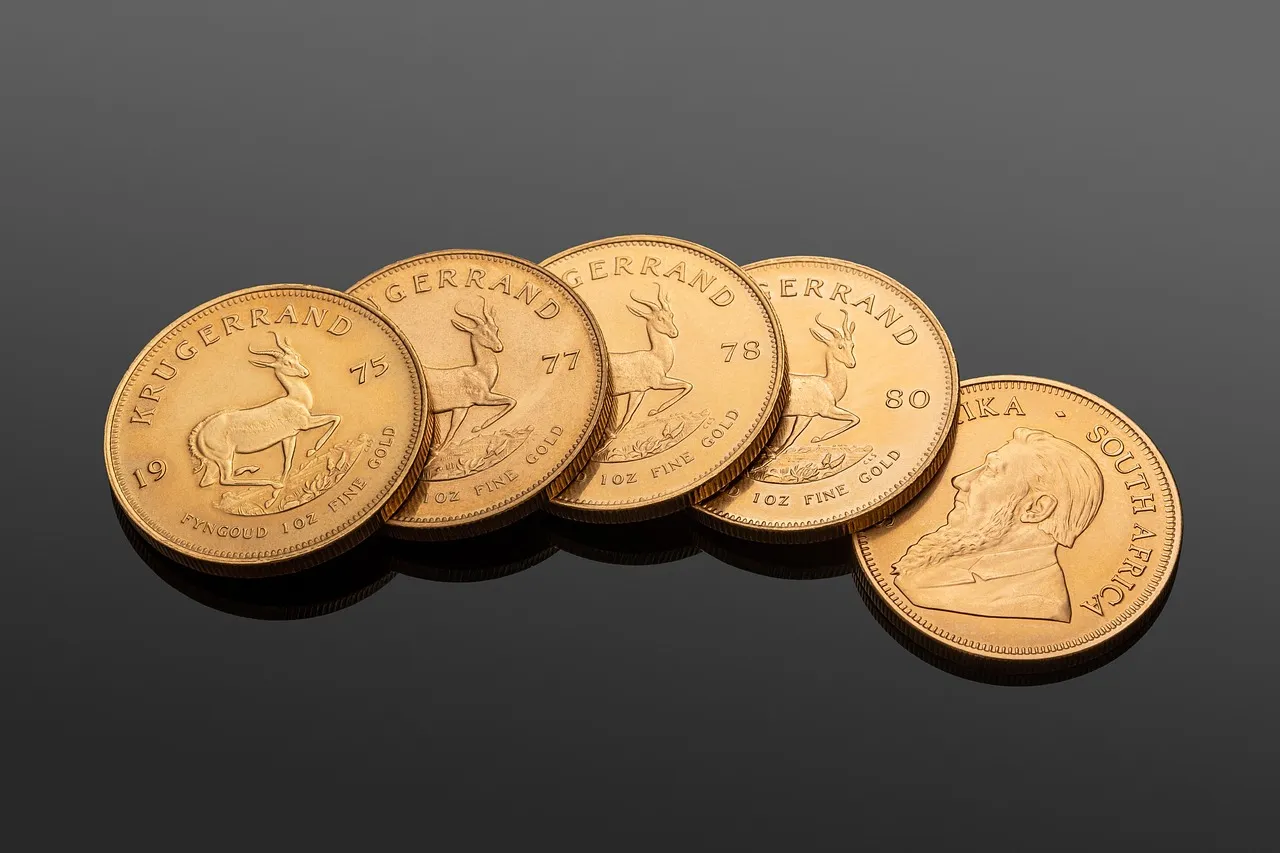
Gold is popular among many Sarawak families as a hedge against currency weakness and inflation. It is seen as a way to preserve value over long periods, often passed down between generations. Unlike property, gold does not produce monthly income; its role is more about protection than productivity.
For Miri residents, gold is relatively liquid. You can sell small amounts when cash is needed without having to dispose of a large asset. However, buying and selling spreads, storage concerns, and emotional attachment can complicate decision-making. Gold works best as part of a diversified plan, not the sole investment.
Land Banking and Semi-Developed Land
Some local investors are attracted to land banking, such as buying agricultural or semi-developed land on the outskirts of Miri. The idea is to benefit from future development and potential rezoning. While the entry price per acre can appear attractive, timelines are uncertain and may extend far beyond personal retirement planning.
Land often generates limited current income unless actively used for agriculture or leasing. It can also be hard to sell quickly without discounting the price. Additionally, due diligence on title status, access roads, and utility connections is essential; overlooking these details can lock capital into assets that are difficult to monetise.
Digital Assets at a High Level
Digital assets, such as cryptocurrencies, have gained attention among younger investors in Miri. These assets can be highly volatile, with prices influenced by global sentiment, regulatory developments, and technology cycles. They do not produce dividends or rent; returns, if any, come mainly from price changes.
For most households, digital assets should be treated as speculative and limited to funds they can afford to lose. They do not replace the stability needs of education funds, emergency savings, or retirement planning. Their role, if any, is usually a small satellite position rather than a core holding.
Protection vs Productivity
Property, businesses, and productive financial assets aim to generate cash flow or profits over time. Gold, certain types of land banking, and some digital assets function more as stores or speculative vehicles for value. They may protect purchasing power or offer upside, but they do not inherently produce ongoing income.
The most resilient Miri portfolios blend productive assets that generate cash flow with selected stores of value that protect purchasing power, rather than relying on any single idea to do everything.
Risk, Liquidity, and Cash Flow Trade-Offs
Each investment type in Miri comes with different combinations of risk, liquidity, and cash flow timing. Entry cost is one of the biggest hurdles for property. A typical residential purchase might require a 10% down payment plus legal and stamp costs, easily reaching RM30,000–RM60,000 or more, which is substantial for many households.
In contrast, you can start with unit trusts, REITs, or stocks at a few hundred or thousand ringgit. Fixed deposits can begin even smaller, with full flexibility to withdraw after maturity. Gold can be purchased in small denominations, allowing gradual accumulation.
Exit ease also varies. A fixed deposit after maturity or a REIT unit can be liquidated within days. Selling a house may require price negotiation, marketing time, and buyer loan approval, resulting in delays of several months. Land sales can take even longer.
Cash flow timing is another key factor. For example, a Miri investor buying a RM400,000 house with a 90% loan might pay a monthly instalment around RM1,800–RM2,000. If rent is RM1,500, they must cover the shortfall and other costs, but they are building equity over time. In contrast, RM400,000 in a fixed deposit or income fund may generate regular interest without additional commitments, but lacks the leverage effect of a property loan.
Matching Investment Choices to Income and Life Stage
Salaried Workers
Salaried workers in Miri, such as teachers, healthcare staff, and office executives, often prioritise stability and predictable expenses. For them, a sensible path is usually building emergency savings, maximising EPF or similar retirement structures, and only then considering property beyond their own home. Over-committing to multiple properties with small salary buffers can create long-term stress.
Many in this group may be well-served by a balanced mix: own-occupied home within realistic affordability, EPF as core retirement, some fixed deposits for liquidity, and carefully selected unit trusts or REITs for growth. Property investment beyond the first home should be approached only when cash reserves are solid.
Business Owners and Self-Employed
Business owners and self-employed professionals in Miri face more income volatility but may have higher upside. Property can serve as both a business tool (e.g. owning your own shop lot) and a long-term wealth anchor. However, concentration risk can be high if business and property are both tied to the same local economy segment.
This group benefits from diversifying beyond their main business and local properties. Holding liquid assets like fixed income, gold, and marketable securities provides options during business slowdowns, while still allowing them to accumulate strategic properties over time.
Families and First-Time Buyers
Families in Miri often view a home as both shelter and a long-term store of value. The key is avoiding the temptation to stretch for a house that consumes all monthly cash flow. Leaving room for education savings, insurance, and modest investments outside property is essential for resilience.
First-time buyers may feel torn between buying a home early or continuing to rent while investing in EPF, unit trusts, or other assets. The right path depends on job stability, mobility needs, and available savings. In some situations, renting modestly while building a stronger financial base can be more sustainable than rushing into ownership with minimal buffer.
Common Investment Mistakes Seen in Miri
One frequent mistake is overstretching for property, especially when developers or peers emphasise potential future values without acknowledging monthly cash flow pressure. Some households end up with large instalments, minimal savings, and no room for emergencies. This can feel manageable in strong economic conditions but becomes stressful during job loss or health issues.
Another common error is chasing returns without planning for liquidity. Investors may lock most of their savings into property or long-term schemes and then struggle when cash is needed for school fees, vehicle repairs, or business opportunities. Having no flexible funds can force them to sell assets at inconvenient times.
Copying strategies from larger and faster-growing cities is also risky. What works in a rapidly appreciating metropolitan market may not translate in Miri, where rental rates, tenant pools, and appreciation patterns are different. Local investors must base decisions on realistic Miri and Sarawak conditions, not on stories from elsewhere.
Practical Takeaways for Miri-Based Investors
When Property Makes Sense
Property tends to make sense in Miri when your income is stable, you maintain at least several months of expenses in liquid savings, and the property is supported by genuine rental or owner-occupier demand. Buying within your means, in locations aligned with employment centres and existing infrastructure, reduces long-term risk.
For some, owning an affordable home to live in is the first and most important step. Investment properties can follow later, once cash reserves, EPF savings, and other investments have reached a healthy level. Viewing property as one component of a broader plan, rather than the only path, supports more balanced decisions.
When Other Investments May Be More Suitable
If your income is uncertain, savings are still small, or you anticipate major near-term expenses, focusing on EPF, fixed deposits, and flexible unit trusts may be more suitable. These options offer liquidity and lower monthly obligations. They allow you to build a foundation first, then consider property with greater confidence.
For older investors who prefer low effort and minimal stress, a mix of EPF, fixed income, REITs, and some gold may feel more comfortable than actively managing multiple tenants. The goal is not to maximise every ringgit of potential return but to sustain lifestyle and peace of mind.
How to Combine Multiple Assets Sensibly
A simple way to think about combination is by role: property and business for long-term growth and potential income, fixed income and EPF for stability, REITs and selected funds for diversified growth, and gold or other stores of value for protection. Each plays a different function in supporting your financial life.
- Your core should cover necessities: emergency fund, EPF, basic insurance, and an affordable home.
- Your growth layer can include one or two well-chosen properties, quality funds, or REITs.
- Your protection layer can hold some gold or other defensive assets for long-term purchasing power.
- Your speculative layer, if any, should be small and limited to money you can afford to lose.
Comparison Table: Common Investments for Miri Residents
| Investment type | Risk level | Liquidity | Income style | Suitability in Miri |
| Residential property | Moderate to high (leverage, vacancy) | Low (months to sell) | Rental income, potential capital gains | Suited for stable earners with buffers and long horizons |
| Fixed deposits / fixed income | Low | High (after tenure) | Predictable interest | Suited for emergency funds and conservative savers |
| EPF | Low to moderate (long-term market exposure) | Low (restricted access) | Compounded dividends | Core retirement tool for salaried workers |
| Stocks / unit trusts | Moderate to high (market volatility) | High (days to sell) | Dividends and price changes | Suited for investors with some knowledge and tolerance for swings |
| REITs | Moderate | High (listed units) | Rental-backed distributions | Useful for property exposure without managing tenants |
| Gold | Moderate (price swings, no cash flow) | High (can sell portions) | No regular income | Suited as a limited store-of-value component |
Frequently Asked Questions (FAQs)
1. Should I prioritise property or EPF as a Miri resident?
EPF is typically the foundation for retirement, especially for salaried workers. Property can complement EPF, either as a home or as a long-term investment, but it should not come at the cost of stopping EPF contributions or running with no emergency savings. In most cases, building both steadily, within your affordability, is more resilient than choosing only one.
2. What rental income can I realistically expect from a property in Miri?
Rental income depends on location, property type, condition, and tenant profile. Areas near employment centres, schools, and amenities tend to have more stable demand, but owners should still budget for occasional vacancy and repairs. It is safer to plan based on conservative rent estimates and assume some months without a tenant over the years.
3. I am worried about liquidity. Does property make sense for me?
If you anticipate needing access to your savings in the short to medium term, relying heavily on property may be risky. It can take time to sell a unit at a fair price, especially when market activity is slow. In such cases, maintaining a solid portion of your wealth in more liquid assets like fixed deposits, unit trusts, or REITs can provide flexibility while you gradually build property exposure.
4. I am a first-time buyer in Miri. Should I buy now or continue renting and investing?
The answer depends on your job stability, cash savings, and lifestyle plans. If you have a reliable income, at least a few months of expenses saved, and can buy a modest home without straining, ownership can make sense. If your job or location is uncertain, or your savings are thin, renting while strengthening your EPF, fixed income, and emergency fund may be a more stable choice before committing to a long-term loan.
5. Can I use property to replace all other investments?
Relying solely on property concentrates your risks in one asset type and one location. In Miri, where economic cycles can be influenced by specific industries, diversification into EPF, fixed income, funds, and possibly some gold helps smooth out shocks. Property can be a major pillar, but most households are better served by a balanced, multi-asset approach.
This article is for educational and comparative understanding purposes only and does not constitute financial,
investment, or professional advice.
📈 Want Steadier Income Without Buying Property?
👉 Explore REIT Investing with a Smarter Trading App
Perfect for investors focused on steady income & long-term growth.
Join moomoo Malaysia here ➤
https://j.moomoo.com/0xwSKj
🏠 Find Property in Miri
- Latest Property For Sale in Miri
- Latest Property For rent in Miri
- New Project Launches in Miri
- Latest Land For Sale in Miri
- Search properties by keys area in Miri
- Property Agent in Miri
- Property Guides & Tips (Malaysia)
⚠️ Disclaimer
This article is provided for general property information and educational purposes only.
It does not constitute legal, financial, or official loan advice.
Information related to pricing, loan eligibility, and property status is subject to change
by property owners, developers, or relevant institutions.
Please consult a licensed real estate agent, bank, or property lawyer before making any
property purchase or rental decisions.
📈 Looking for Ways to Grow Your Savings?
After budgeting or planning your property expenses, explore smarter investing options like REITs and stocks for long-term growth.
📈 Start Trading Smarter with moomoo Malaysia →(Sponsored — Trade REITs & stocks with professional tools)
