

Miri has always been more than just Sarawak’s gateway to national parks and beaches. For many Malaysians and expats, it becomes a place where life slows down enough for you to breathe, explore, and truly settle in. This guide dives deep into what it really feels like to live in Miri in 2025 — from cost of living to neighbourhoods, lifestyle, safety, and the small everyday moments that shape life in this coastal city.
The Appeal of Living in Miri in 2025
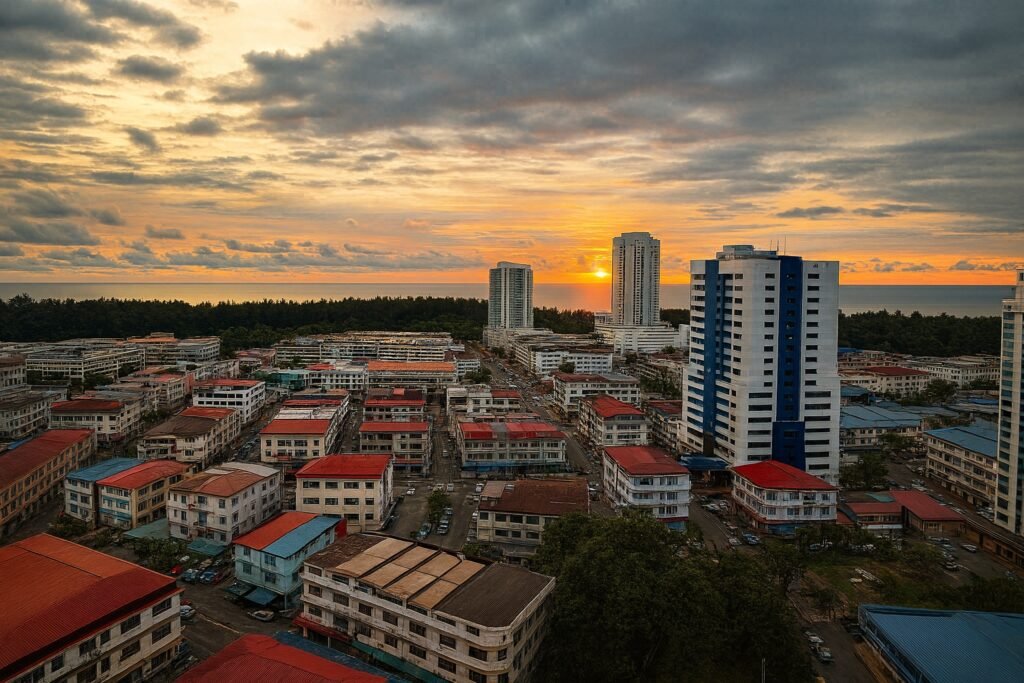
Everyone who arrives in Miri remembers the first thing they notice: the sky. The sunsets are wide and golden, rolling across the coastline in slow waves of orange and red. This is a city that mixes old charm with modern living, and that blend is exactly why so many people — especially families and oil & gas professionals — choose to call Miri home.
Over the past decade, Miri Sarawak has transformed into a lively hub. Marina Bay grew into a bustling waterfront district, new cafés popped up across town, and townships like Permyjaya expanded to welcome hundreds of young families.
Cost of Living in Miri: A Comfortable Balance
The Miri cost of living is one of the city’s biggest strengths. Compared to West Malaysia and other expat cities, daily expenses remain pleasantly moderate. You’ll notice it immediately when buying groceries, paying rent, or filling your car with petrol. The balance of affordability and quality of life makes Miri especially attractive for people building long-term stability.
Housing Costs in Miri
Most newcomers find that rent is significantly more affordable compared to KL, Penang, or Kota Kinabalu. The variety of options — from sea-view condos to spacious landed homes — make it easy to match different lifestyles.
- Condos near the city or Marina Bay: RM1,200–RM2,200
- Landed homes (Krokop, Pujut, Permyjaya): RM1,500–RM3,000
- Luxury waterfront units: RM2,500–RM4,000+
Utilities such as water and electricity tend to be average, while broadband providers like Digi, CelcomDigi, and TIME offer competitive plans.
Groceries and Daily Expenses
Miri’s food culture is rich and varied. Fresh vegetables and seafood remain relatively affordable due to proximity to fishing communities. Supermarkets like Emart, Boulevard, and Everrise serve most households, while local markets offer excellent prices on fresh produce.
Eating out can be extremely cheap, especially in traditional kopitiams where meals range from RM8–RM12. Modern cafés cost more, but remain reasonable compared to bigger cities.
Transportation and Petrol
Driving is still the main mode of transportation in Miri. Roads are wide, traffic is manageable, and petrol remains one of the city’s economic advantages. Most people spend RM200–RM400 monthly on fuel depending on their routine.
Although public transport exists, it is limited. Ride-hailing services like Grab fill in the gaps.
Best Neighbourhoods in Miri: Where Should You Live?
The question that newcomers often ask is: “Which area should I stay in?” The answer depends on lifestyle. Miri’s neighbourhoods each have their own character, shaped by the people who live there and the conveniences nearby. Below are the areas that locals and expats often recommend.
Marina Bay: Modern & Vibrant
Marina Bay is the heart of modern Miri. Families stroll along the waterfront in the evenings while joggers follow the sea breeze toward the sunset. Cafés, restaurants, and nightlife create an energetic atmosphere, making this area especially popular with young professionals.
It’s one of the most desired residential spots due to its sea view, accessibility, and lifestyle convenience.
Lutong: Ideal for Oil & Gas Professionals
A large portion of oil & gas employees choose Lutong for its proximity to Petronas and Shell offices. This area offers quiet residential streets, good access to coastal routes, and quick commutes for offshore staff. The community here tends to be a mix of local families and expats, creating a balanced environment.
Krokop & Pujut: Central and Practical
Krokop and Pujut are centrally located neighbourhoods with easy access to schools, supermarkets, and commercial areas. Many long-term Miri families prefer these areas because they offer a practical blend of comfort and convenience.
Landed homes are common here, with larger lot sizes compared to new developments.
Permyjaya: Growing Township for Young Families
If you prefer newer housing developments, Permyjaya offers modern, affordable options. Schools, malls, and parks have expanded rapidly here, making it a popular choice for young parents.
In recent years, several commercial hubs have developed, turning this suburb into a self-contained community.
Lifestyle in Miri: What Daily Life Feels Like
One of the joys of living in Miri is how easy life feels compared to larger Malaysian cities. Commutes are short, weekends are peaceful, and there is always something to do — whether it’s chasing waterfalls, exploring nature reserves, or enjoying the city’s café scene.
The Nature and Coastline
Miri is surrounded by natural beauty. In under an hour, you can find yourself trekking through Niah National Park, watching horseshoe-shaped cliffs at Tusan Beach, or relaxing at Tanjung Lobang. Many residents take weekend trips to Lambir Hills or the Brunei border for shopping and leisure.
Café and Food Culture
Local food is abundant. Stall owners remember regulars by name, and kopitiam breakfast routines are part of Miri’s identity. Meanwhile, Marina’s café scene brings modern flavours and lively hangout spots. You’ll find everything from specialty coffee to Western brunch menus.
Community and Safety
Miri has a close-knit community atmosphere. People greet each other, neighbours talk, and it’s common to run into familiar faces regardless of which part of town you visit. Safety is generally good, with most areas being peaceful throughout the day.
Education and Healthcare
Miri offers solid education and medical options, making it suitable for growing families. Private institutions and international schools attract expat households, while universities continue to expand programs. Major hospitals such as Columbia Asia provide reliable healthcare services.
Work Opportunities in Miri
Miri’s economy is still heavily driven by the oil & gas industry. Many Malaysians and foreigners move here for professional opportunities in engineering, offshore services, safety operations, and management roles. Project-based work also attracts contractors from around the world.
Beyond oil & gas, new industries like digital services, logistics, and tourism are slowly growing. While not as large as other Malaysian cities, Miri still provides a balanced job market, especially for skilled professionals.
Challenges of Living in Miri
No city is perfect, and Miri has its fair share of challenges. Limited public transport means you almost certainly need a car. Some neighbourhoods are still catching up with infrastructure growth. And while shopping malls are improving, they may not offer the variety found in larger cities.
However, for many residents, these are small trade-offs for the calm and comfort that Miri provides.
Who Should Consider Moving to Miri?
Miri attracts a diverse range of people for different reasons. Some pursue a slower pace after years in bustling cities. Others want affordable housing while raising young children. Oil & gas workers appreciate the international community and short commutes. Retirees enjoy the friendly atmosphere and seaside living.
Great for Expats
Foreign professionals often find Miri to be a welcoming city with easy integration. The expat circles in Marina Bay and Lutong are active, and social groups host gatherings regularly.
Great for Families
Stable neighbourhoods, easy access to schools, and a safe environment make Miri ideal for families of all sizes. Parents appreciate the balanced life where work, family, and weekends are easier to manage.
Great for Retirement
With its reasonable cost of living and peaceful atmosphere, Miri has become a quiet favourite for retirees seeking comfort without sacrificing amenities.
Practical Tips for Newcomers
If you’re considering moving to Miri, the city becomes easier to understand once you know a few practical tips that locals follow naturally.
Pick Housing Based on Lifestyle, Not Just Price
Being close to work matters. If you’re in oil & gas, staying in Lutong or Permyjaya can reduce commute time. If you want nightlife and convenience, go for Marina Bay.
Use Grab When Needed
Even if you own a car, Grab is reliable for airport runs, special nights out, or when you simply don’t want to drive.
Build Connections Early
Joining community groups, sports clubs, or café meetups helps you settle in quickly. Miri people are friendly and welcoming, especially to newcomers.
Explore Beyond City Limits
The best experiences often lie outside the city: waterfalls, beaches, parks, and small towns. Exploring helps you fully appreciate what Miri has to offer.
Conclusion: A City That Feels Like Home
Life in Miri is peaceful, balanced, and surprisingly enriched with small everyday pleasures. It’s a place where sunsets become a daily routine, commutes rarely drag on, and communities grow stronger through simple interactions. Whether you’re moving for work, family, or adventure, Miri offers a lifestyle that feels warm and grounded.
FAQ About Living in Miri
Is Miri expensive to live in?
No. Miri cost of living is lower than most major Malaysian cities. Housing, food, and petrol remain affordable, making it ideal for long-term living.
Is Miri safe?
Yes. Miri is generally safe, with peaceful neighbourhoods and a strong sense of community. As with any city, basic precautions still apply.
Which area is best to live in Miri?
It depends on lifestyle. Marina Bay is modern and vibrant, Lutong is ideal for oil & gas workers, while Krokop and Pujut offer practicality and central access.
Is Miri good for families?
Absolutely. The city is calm, schools are accessible, and neighbourhoods are family-friendly. Many parents appreciate the slower pace of life here.
Are there job opportunities in Miri?
Yes, especially in oil & gas, logistics, hospitality, and business services. Skilled professionals will find strong demand in various sectors.
📈 Looking for Ways to Grow Your Savings?
After budgeting or planning your property expenses, explore smarter investing options like REITs and stocks for long-term growth.
📈 Start Trading Smarter with moomoo Malaysia →(Sponsored — Trade REITs & stocks with professional tools)