
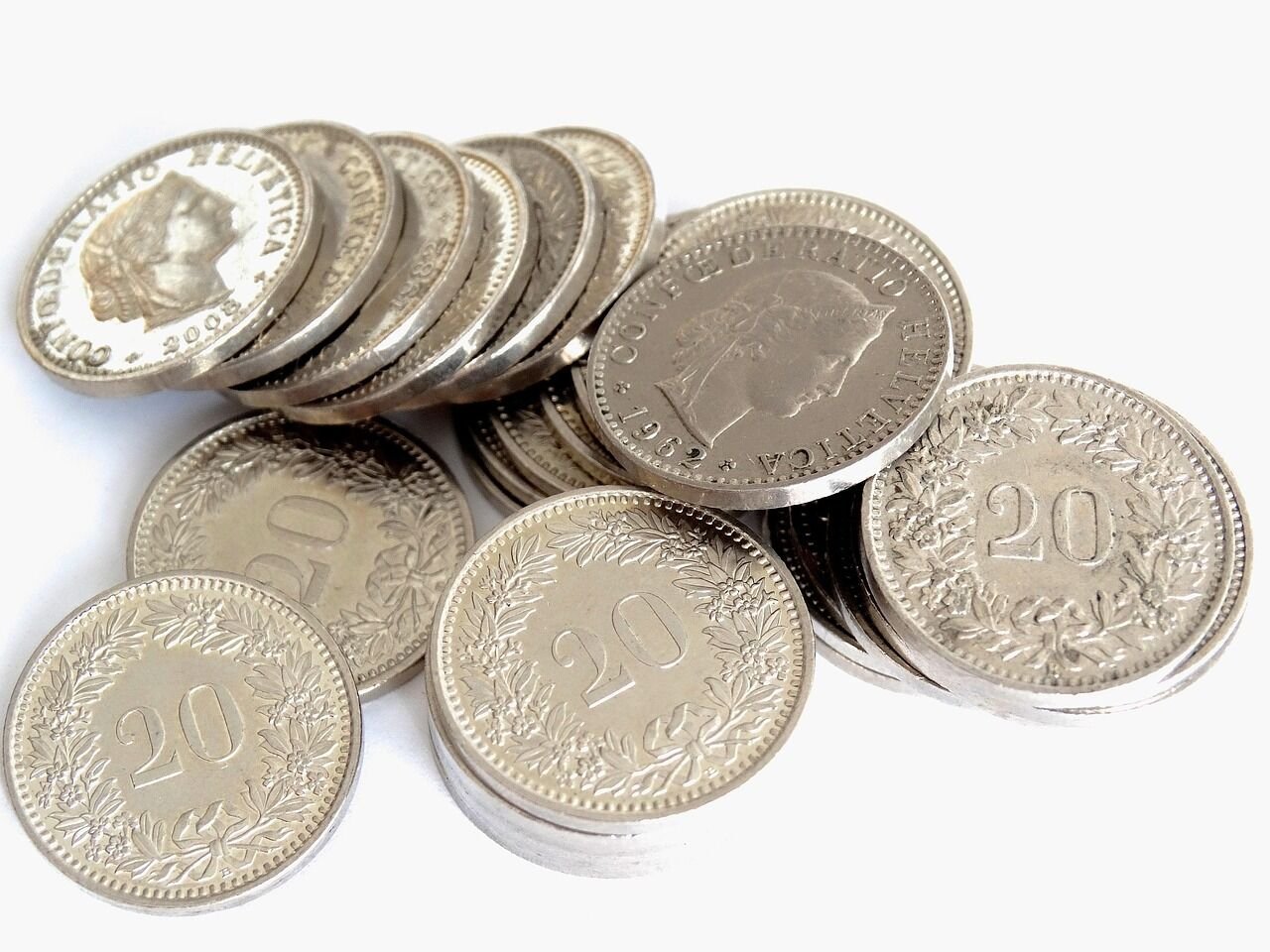
How Young Malaysians Can Build an Emergency Fund After Their First Salary
Receiving your first salary is an important milestone. For many young Malaysians, it marks the beginning of financial independence, adult responsibilities, and the freedom to make personal money decisions. It may also be the first time you need to manage rent, transport, food, family support, student loans, insurance, savings, and lifestyle spending from one monthly income.
One of the most important financial habits to build after your first salary is creating an emergency fund. An emergency fund is money set aside specifically for unexpected expenses or income disruptions. It is not for holidays, shopping, investments, or festive spending. It is a financial safety net that helps you avoid panic borrowing, credit card debt, or withdrawing long-term savings when life does not go according to plan.
For young workers in Malaysia, an emergency fund can be especially useful because early-career income may be modest, job stability may vary, and living costs can rise due to inflation. Whether you are working in Kuala Lumpur, Penang, Johor Bahru, Kota Kinabalu, Kuching, or a smaller town, having accessible cash can help you handle sudden events such as medical bills, car repairs, laptop replacement, family emergencies, or temporary unemployment.
A good emergency fund does not make you rich overnight, but it helps prevent one bad month from becoming a long-term financial problem.
What Is an Emergency Fund?
An emergency fund is a separate pool of money reserved for urgent, necessary, and unexpected expenses. The key words are urgent, necessary, and unexpected. If the expense can be planned for in advance, such as Hari Raya travel, Chinese New Year shopping, annual car insurance, or a smartphone upgrade, it should usually be part of a separate savings goal rather than your emergency fund.
Common examples of valid emergency fund use include:
- Sudden medical expenses not fully covered by insurance
- Urgent car or motorcycle repairs needed for work
- Temporary loss of income due to retrenchment or unpaid leave
- Emergency travel for a family matter
- Essential home repairs, such as plumbing or electrical issues
- Replacing work-related tools, such as a laptop, if your job depends on it
An emergency fund is different from investing. Investing aims to grow your money over time, but it involves risk and market fluctuation. An emergency fund prioritises safety, liquidity, and accessibility over high returns. This means it should generally be kept in places where you can withdraw quickly and where the value is unlikely to fall significantly.
Why an Emergency Fund Matters After Your First Salary
Many young adults focus on lifestyle upgrades after their first salary. This is understandable. After years of studying or depending on family support, it can feel rewarding to spend on better food, clothes, gadgets, travel, or social activities. However, without a basic emergency fund, even a small unexpected cost can disrupt your finances.
For example, imagine a fresh graduate earning RM3,000 a month in Klang Valley. After EPF employee contribution, SOCSO, EIS, rent, food, transport, phone bill, and student loan repayment, the remaining cash may be limited. If the person suddenly needs RM1,200 for car repairs, they may rely on a credit card, personal loan, or borrowing from friends and family. If not managed carefully, this can create stress and debt.
An emergency fund matters because it gives you:
- Financial breathing room during unexpected events
- Reduced dependence on debt, especially high-interest credit card balances
- More confidence when making career or life decisions
- Protection for long-term savings such as EPF, PRS, ASB, or investments
- Better mental peace because you know you have a basic safety net
How Much Emergency Fund Should You Have?
A common guideline is to save between three to six months of essential expenses. This does not mean three to six months of your full salary. It means the amount needed to cover necessary expenses such as rent, utilities, groceries, transport, insurance, loan repayments, and basic family commitments.
For example, if your monthly take-home pay is RM2,800 but your essential expenses are RM1,800, then a three-month emergency fund would be RM5,400. A six-month emergency fund would be RM10,800.
However, the right amount depends on your situation:
- If you live with parents and have low expenses, you may start with a smaller target.
- If you support family members, you may need a larger fund.
- If your job is commission-based, freelance, contract-based, or in a volatile industry, six to twelve months may be more appropriate.
- If you have dependants, a mortgage, or medical needs, you may need a stronger safety buffer.
For beginners, it can be discouraging to aim immediately for RM10,000 or more. A practical first target is RM1,000 to RM2,000. This starter emergency fund can handle many small emergencies while you continue building towards your larger goal.
Understanding Your First Salary in the Malaysian Context
Before building an emergency fund, you need to understand your actual take-home pay. Your gross salary is not the same as the money that enters your bank account.
In Malaysia, employees usually contribute to EPF (KWSP), while employers also contribute on your behalf. Employees are also commonly subject to SOCSO and EIS contributions. Depending on your income level, you may also have monthly tax deductions through PCB.
EPF is an important long-term retirement savings system. It helps Malaysians build savings for retirement, housing, education, medical needs, and certain approved withdrawals. However, EPF should not be treated as your normal emergency fund. Withdrawals are subject to rules, and retirement money should ideally be preserved for long-term financial security.
Young Malaysians may also hear about ASB, PRS, SSPN, fixed deposits, money market funds, unit trusts, shares, and ETFs. These can play different roles in financial planning, but your emergency fund should come before higher-risk investing. If you invest all spare cash without keeping emergency savings, you may be forced to sell investments during a market downturn.
Saving vs Investing: Which Comes First?
Saving and investing are both important, but they serve different purposes. Saving is mainly for short-term security and planned spending. Investing is for long-term growth but comes with risk. A beginner mistake is investing too early without having enough cash for emergencies.
| Feature | Saving | Investing |
| Primary purpose | Safety, liquidity, short-term needs | Long-term growth and wealth building |
| Typical time horizon | Immediate to 3 years | Usually 5 years or more |
| Risk level | Generally low if kept in regulated bank accounts or low-risk instruments | Varies from moderate to high depending on asset type |
| Potential return | Usually lower | Potentially higher, but not guaranteed |
| Liquidity | High if kept in savings accounts or similar places | May take time to sell and value may fall |
| Best used for | Emergency fund, short-term goals, bills | Retirement, education, long-term wealth creation |
| Main limitation | May not beat inflation over long periods | Market risk, volatility, possible capital loss |
As a general principle, build a basic emergency fund first before taking significant investment risks. Once you have a starter fund, you can gradually balance emergency savings, debt repayment, insurance protection, and long-term investing.
Step-by-Step Plan to Build an Emergency Fund After Your First Salary
Step 1: Calculate Your Essential Monthly Expenses
Start by listing your necessary expenses. These may include room rental, utilities, groceries, petrol, public transport, phone bill, insurance, student loan repayment, PTPTN, family support, and minimum debt payments.
Separate your expenses into two categories: essentials and lifestyle. Essentials are required to live and work. Lifestyle spending includes cafes, entertainment, online shopping, subscriptions, travel, and non-essential upgrades.
For example:
- Rent: RM700
- Utilities: RM100
- Food and groceries: RM600
- Transport: RM300
- Phone and internet: RM100
- Insurance: RM150
- PTPTN: RM150
- Family support: RM300
In this example, essential expenses total RM2,400. A starter emergency fund might be RM2,000. A three-month emergency fund would be RM7,200.
Step 2: Set a Realistic First Target
Instead of aiming for six months immediately, begin with a smaller target. For many fresh graduates, saving RM1,000 to RM2,000 is a practical first milestone. Once reached, aim for one month of essential expenses, then three months, then six months.
This step-by-step approach helps build motivation. It is better to save RM200 consistently every month than to plan for a perfect target and give up after two months.
Step 3: Pay Yourself First
Many people save whatever is left at the end of the month. The problem is that money often disappears through small daily spending. A better method is to save first, then spend what remains.
When your salary arrives, transfer a fixed amount immediately into a separate emergency fund account. Even RM100 or RM200 a month matters when done consistently. If your income increases later, raise the amount gradually.
For example, if you save RM300 a month, you will have RM3,600 in one year, excluding any interest or profit. If you receive bonuses, ang pow, duit raya, tax refunds, or freelance income, you can direct part of it into your emergency fund to speed up progress.
Step 4: Keep the Fund Separate from Daily Spending
Your emergency fund should not sit in the same account you use for food delivery, e-wallet top-ups, shopping, or entertainment. If it is too easy to spend, you may slowly use it without noticing.
Consider keeping it in a separate savings account, a high-liquidity account, or other low-risk cash-like option. The exact place depends on your needs, but the main principles are:
- Accessible when needed
- Low risk with minimal chance of capital loss
- Separate from daily spending money
- Simple enough for you to manage confidently
Fixed deposits may offer better rates than normal savings accounts, but they may have early withdrawal conditions. Money market funds may provide potential returns above normal savings accounts, but they are still investment products and can carry risks, including liquidity and market-related risks. Understand the terms before using any option.
Step 5: Automate Your Savings
Automation reduces reliance on willpower. Set up an automatic transfer after payday. This is especially helpful for young Malaysians who are adjusting to new financial responsibilities.
If your salary is paid on the 28th, you might schedule an emergency fund transfer on the 29th. Treat it like rent or a bill. This turns saving into a routine rather than a monthly decision.
Step 6: Track Spending Without Becoming Too Strict
Budgeting does not mean you cannot enjoy your salary. It means knowing where your money goes. A simple method is the 50/30/20 rule: 50% for needs, 30% for wants, and 20% for savings and debt repayment. However, this may not fit everyone, especially those living in high-cost areas or supporting family members.
Another method is a zero-based budget, where every ringgit is assigned a purpose. You can also use a notebook, spreadsheet, banking app, or budgeting app. The best system is the one you will actually use.
The purpose of tracking is not guilt. It is awareness. Once you know your patterns, you can make better decisions.
Real-Life Examples for Different Young Malaysians
Example 1: Fresh Graduate Living with Parents
A 23-year-old fresh graduate earns RM2,800 gross and lives with parents in Ipoh. Their expenses are relatively low, with contributions to family, petrol, food, phone bill, and PTPTN. Their essential expenses may be RM1,200 per month.
A suitable first target could be RM1,500, then RM3,600 for three months of expenses. Because housing costs are low, this person may be able to save aggressively in the first year. However, they should also prepare for future expenses such as moving out, buying a car, or further studies.
Example 2: Young Worker Renting in Klang Valley
A 25-year-old earns RM3,500 gross and rents a room in Petaling Jaya. After deductions and expenses, they have limited monthly surplus. Essential expenses may be RM2,300 per month.
For this person, building a full six-month emergency fund may take time. A realistic approach is to start with RM1,000, then one month of expenses, then three months. They may need to reduce food delivery, subscriptions, or weekend spending temporarily. The key is consistency, not perfection.
Example 3: Freelancer or Gig Worker
A 27-year-old freelancer has income that changes monthly. Some months they earn RM5,000; other months only RM1,500. This person faces higher income uncertainty and may need a larger emergency fund, possibly six to twelve months of essential expenses.
They may save a higher percentage during good months and maintain a lean budget during weaker months. They should also plan for tax, insurance, retirement savings, and irregular business costs. Since freelancers do not receive employer EPF contributions unless they contribute voluntarily, long-term planning becomes even more important.
Advantages of Building an Emergency Fund Early
Building an emergency fund early offers several benefits. First, it protects you from high-interest debt. Credit card interest can be costly if balances are not paid in full. Personal loans and informal borrowing may also create pressure.
Second, it protects your long-term investments. If you invest in stocks, unit trusts, ETFs, ASB, PRS, or other assets, market values can rise and fall. Without emergency savings, you may need to sell at a bad time. Having cash gives your investments more time to recover from market volatility.
Third, it builds discipline. Saving regularly after your first salary creates a habit that can later support bigger goals such as buying a home, funding education, starting a business, or preparing for retirement.
Fourth, it improves decision-making. If you lose a job, an emergency fund can give you time to search for suitable work instead of accepting the first option out of desperation. It can also help you handle family responsibilities with less financial stress.
Limitations and Risks of an Emergency Fund
An emergency fund is important, but it also has limitations. Keeping too much money in cash may reduce long-term growth because cash returns may not keep up with Ringgit inflation. Over time, rising prices can reduce purchasing power. For example, groceries, rent, healthcare, transport, and education costs may increase faster than ordinary savings account interest.
This does not mean you should invest your emergency fund aggressively. It means you should separate money by purpose. Emergency money should stay safe and liquid. Long-term money can be invested according to your risk tolerance, time horizon, and goals.
Another limitation is that an emergency fund cannot replace proper insurance. A RM10,000 emergency fund may help with small medical costs, but it may not be enough for major illness, disability, or long hospitalisation. Young Malaysians should understand the role of medical insurance, life insurance, takaful, SOCSO protection, and employer benefits where relevant.
An emergency fund also cannot solve chronic overspending. If your expenses consistently exceed your income, the fund will eventually run out. In that case, you need to review your budget, increase income, reduce commitments, or seek financial counselling if debt becomes unmanageable.
Where Should You Keep Your Emergency Fund?
The best place depends on your needs, but the fund should generally be kept in low-risk and liquid places. Common options include savings accounts, separate bank accounts, fixed deposits, or cash-like instruments. Each has benefits and trade-offs.
A normal savings account offers easy access but usually lower returns. A separate account can reduce temptation to spend. Fixed deposits may offer higher rates but may not be ideal for money you need instantly. Some people use a tiered approach: one month of expenses in an instant-access account and the rest in fixed deposits or other low-risk options.
ASB may be familiar to many Bumiputera Malaysians and has historically been used for savings and investment purposes. However, returns are not guaranteed and rules may apply. PRS is mainly for retirement planning and may involve fees, market risk, and withdrawal restrictions, so it is generally not suitable as an emergency fund. SSPN can be useful for education savings and may offer tax relief subject to current rules, but it should not be confused with emergency savings.
Before placing emergency money anywhere, understand liquidity, risk, fees, withdrawal conditions, and whether the value can fluctuate.
Common Misconceptions About Emergency Funds
Misconception 1: “I Am Young, So I Do Not Need One”
Being young does not eliminate financial emergencies. Young workers can still face job loss, illness, accidents, family needs, or sudden relocation costs. In fact, because young workers often have limited savings, an emergency fund may be even more important.
Misconception 2: “My Credit Card Is My Emergency Fund”
A credit card can provide temporary payment convenience, but it is not a true emergency fund. If you cannot repay the full balance, interest charges can grow quickly. A cash emergency fund helps you avoid turning emergencies into long-term debt.
Misconception 3: “EPF Can Be Used If Things Go Wrong”
EPF is mainly for retirement and approved long-term needs. While certain withdrawals may be allowed under specific conditions, it should not be your first line of defence for everyday emergencies. Using retirement money too early can weaken future financial security.
Misconception 4: “I Should Invest My Emergency Fund for Higher Returns”
Higher potential returns usually come with higher risk. If your emergency fund is invested in volatile assets, its value may fall when you need it most. Emergency funds should prioritise stability, not maximum return.
Misconception 5: “Small Savings Do Not Matter”
Small amounts matter because habits compound. Saving RM100 per month may seem slow, but it creates discipline. As your salary grows, you can increase the amount. Financial progress often begins with small, repeatable actions.
Common Mistakes to Avoid
One common mistake is setting an unrealistic target too early. If you earn RM2,500 and try to save RM1,500 monthly while paying rent and bills, you may become frustrated and stop completely. A sustainable plan is better than an extreme one.
Another mistake is mixing emergency savings with daily spending money. This makes it too easy to use the money for non-emergencies. Keep it separate and define clear rules for withdrawals.
A third mistake is ignoring debt. If you have high-interest debt, such as unpaid credit card balances, you may need to balance emergency savings with debt repayment. A starter emergency fund can prevent new debt, while extra cash can go towards reducing expensive debt.
A fourth mistake is saving without insurance planning. Emergency savings and insurance serve different purposes. If you have dependants or major financial obligations, you may need to evaluate suitable protection. However, avoid buying policies you do not understand or cannot afford.
A fifth mistake is not replenishing the fund after using it. If you withdraw RM800 for a real emergency, rebuild the fund as soon as possible. Treat replenishment as a priority before increasing lifestyle spending.
How Debt Affects Your Emergency Fund Strategy
Debt can change how you build your emergency fund. Not all debt is the same. A housing loan used responsibly may help you own property, but it still creates long-term repayment obligations. A credit card balance with high interest can become financially damaging if not paid off quickly.
For young Malaysians considering car loans or property financing, it is important to understand monthly commitments. Banks assess repayment ability using debt service ratio and other criteria, influenced by lending standards and broader policies shaped by Bank Negara Malaysia. However, just because a bank approves financing does not mean the payment is comfortable for your lifestyle.
Before taking on major commitments, ask whether you can still save for emergencies after monthly repayments. If a car loan, personal loan, or mortgage leaves no room for savings, your financial position may become fragile.
Balancing Emergency Funds with Long-Term Goals
Once you have a starter emergency fund, you can begin balancing other goals. These may include paying off debt, contributing to EPF voluntarily if self-employed, saving for further education, investing for retirement, or preparing for a home deposit.
Young Malaysians may consider long-term options such as EPF, PRS, ASB, unit trusts, ETFs, shares, bonds, robo-advisory platforms, or SSPN for education-related goals. Each option has different risks, fees, liquidity, tax treatment, and time horizons.
For example, equities and ETFs may offer potential long-term growth, but they can fall significantly in the short term. Unit trusts may provide diversification but can involve sales charges and management fees. PRS may provide tax relief subject to government rules, but it is designed for retirement and may not be liquid. ASB may be useful for eligible investors, but returns are not guaranteed. SSPN may help with education savings and tax relief subject to current rules, but it may not be suitable for emergencies.
The key principle is matching the financial tool to the goal. Emergency money needs safety and access. Retirement money can usually accept more volatility if the time horizon is long. Education or home deposit money may need a more balanced approach depending on when it will be used.
Practical Action Plan for Your First 12 Months
If you are starting after your first salary, here is a simple 12-month plan:
- Month 1: Calculate your take-home pay and essential expenses.
- Month 2: Open or assign a separate account for emergency savings.
- Month 3: Automate a fixed monthly transfer, even if small.
- Month 4: Review lifestyle spending and reduce one or two unnecessary expenses.
- Month 5: Build your starter emergency fund to RM500 or more.
- Month 6: Check your debt and prioritise high-interest balances.
- Month 7: Review insurance, employer benefits, SOCSO, and medical coverage.
- Month 8: Increase savings if your cash flow allows.
- Month 9: Use bonuses or extra income to boost the fund.
- Month 10: Aim for RM1,000 to RM2,000 if possible.
- Month 11: Set your next target: one month of essential expenses.
- Month 12: Review your full financial plan, including retirement, tax relief, and investment goals.
Key Takeaways
- Start small but start immediately after your first salary.
- Aim first for RM1,000 to RM2,000, then build towards three to six months of essential expenses.
- Keep emergency savings separate from daily spending money.
- Prioritise liquidity and safety over high returns for emergency funds.
- Do not rely on credit cards, EPF, or risky investments as your emergency fund.
- Balance emergency savings with debt repayment, insurance, and long-term investing.
- Review your emergency fund whenever your income, expenses, job, or family responsibilities change.
Frequently Asked Questions
1. How much should I save from my first salary?
There is no single amount suitable for everyone. A practical starting point is 10% to 20% of your take-home pay if affordable. If your income is tight, start with a smaller amount such as RM50 or RM100. The most important step is building the habit of saving consistently.
2. Should I build an emergency fund or pay off debt first?
If you have high-interest debt, such as unpaid credit card balances, it is usually wise to build a small starter emergency fund first, then focus on debt repayment. This helps prevent new borrowing when unexpected expenses occur. After high-interest debt is reduced, you can build a larger emergency fund.
3. Can I keep my emergency fund in ASB or fixed deposits?
It depends on your liquidity needs and eligibility. ASB may be used by eligible investors as part of savings or investment planning, but returns are not guaranteed and access rules should be understood. Fixed deposits may offer better rates than normal savings accounts but may have early withdrawal conditions. For emergencies, keep at least part of the fund instantly accessible.
4. Is EPF enough as my emergency fund?
No. EPF is mainly for retirement and approved long-term purposes. It is not designed for everyday emergencies. While EPF is an important part of financial planning in Malaysia, your emergency fund should generally be separate and easily accessible.
5. What if I cannot save because my salary is too low?
Start with a very small amount and focus on awareness. Track spending, reduce one non-essential cost, and save any irregular income such as bonuses, cash gifts, or side income. If expenses are consistently higher than income, consider ways to increase income, adjust commitments, or seek guidance from a qualified financial counsellor.
6. Should I invest before completing my emergency fund?
You may begin learning about investing early, but avoid putting all spare cash into investments before having basic emergency savings. Investments can fluctuate in value. A starter emergency fund helps protect you from selling investments during poor market conditions.
7. How often should I review my emergency fund?
Review it at least once a year or whenever your life changes. Examples include moving out, changing jobs, buying a car, getting married, supporting family, taking a mortgage, or becoming self-employed. Your emergency fund should grow as your responsibilities increase.
Final Thoughts
Building an emergency fund after your first salary is one of the most practical financial decisions you can make. It may not feel exciting compared with investing, travelling, or buying new things, but it creates the foundation for long-term financial confidence.
For young Malaysians, the goal is not to avoid all risk or stop enjoying life. The goal is to manage money in a way that supports both present needs and future stability. Start with a small target, automate your savings, keep the money separate, and review your progress regularly.
Financial planning is a long-term process of setting goals, managing risks, building wealth, and making informed decisions. Your emergency fund is the first layer of protection that helps everything else work better.
This article is provided for general educational and informational purposes only and does not constitute financial, investment, tax, legal, or professional advice. Financial decisions should be based on your individual circumstances, goals, and risk tolerance. Consider consulting a licensed financial adviser or other qualified professional before making investment or financial planning decisions.
🏠 Find Property in Miri
- Latest Property For Sale in Miri
- Latest Property For rent in Miri
- New Project Launches in Miri
- Latest Land For Sale in Miri
- Search properties by keys area in Miri
- Property Agent in Miri
- Property Guides & Tips (Malaysia)
⚠️ Disclaimer
This article is provided for general property information and educational purposes only.
It does not constitute legal, financial, or official loan advice.
Information related to pricing, loan eligibility, and property status is subject to change
by property owners, developers, or relevant institutions.
Please consult a licensed real estate agent, bank, or property lawyer before making any
property purchase or rental decisions.
📈 Looking for Ways to Grow Your Savings?
After budgeting or planning your property expenses, explore smarter investing options like REITs and stocks for long-term growth.
📈 Start Trading Smarter with moomoo Malaysia →(Sponsored — Trade REITs & stocks with professional tools)
