

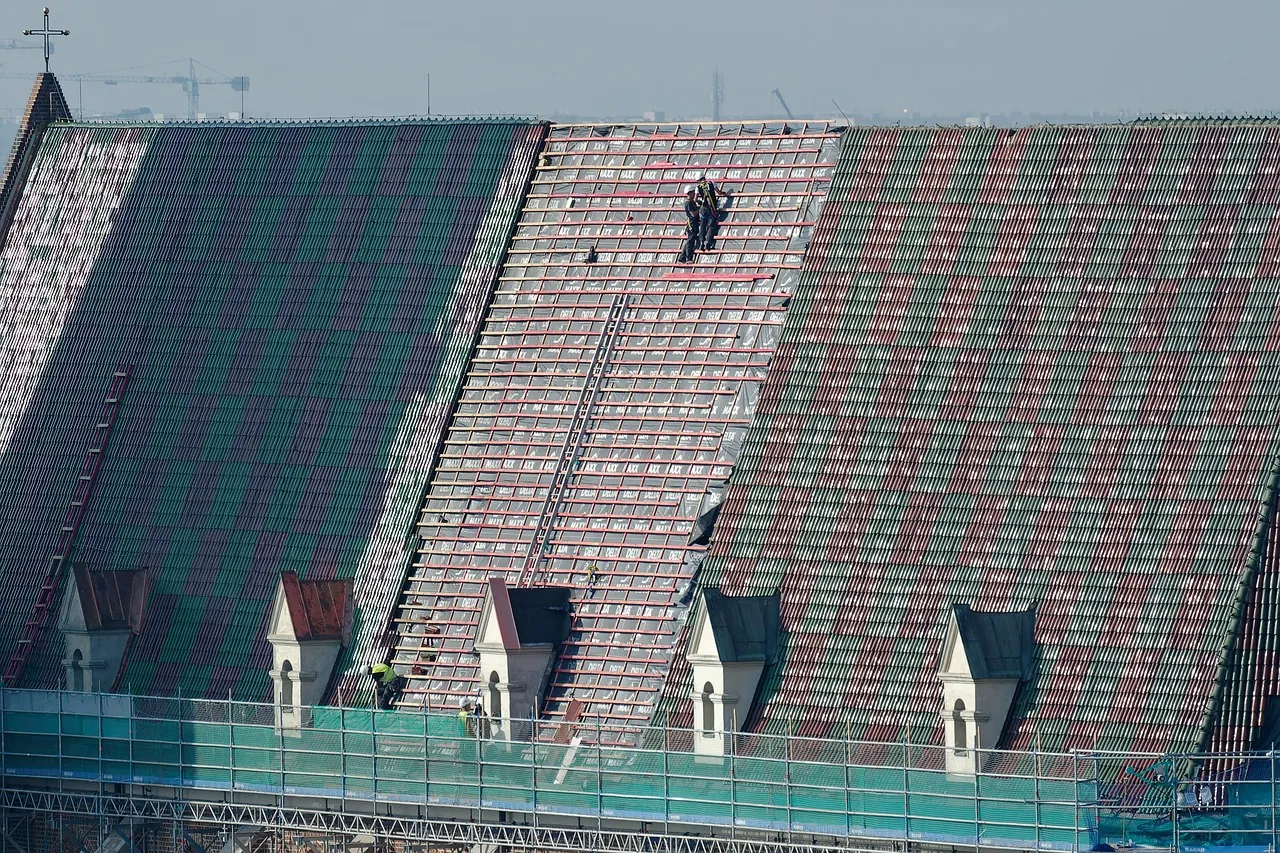
Renovating Your Home in Miri: Practical Cost Guidance, Budgeting and Contractor Advice
Renovating in Miri takes a different mindset than doing the same work in Kuala Lumpur or Penang. Housing types here range from terrace houses and semi-detached (semi-D) homes to kampung houses, shoplots and condominiums. Each has its own cost drivers and constraints.
This article helps homeowners, landlords, investors and long-term tenants in Miri understand realistic renovation costs, plan sensible budgets, avoid common contractor mistakes and prioritise improvements that improve livability without overspending.
Quick overview: What affects renovation costs in Miri
Costs are determined by scope, materials, and labour. In Miri you must also add logistics and timing factors that are unique to Sarawak.
- Labour availability — skilled trades (tilers, cabinetmakers, specialised plumbers) can be scarce; expect longer lead times.
- Material pricing — some finishes ship from West Malaysia or abroad, adding transport and customs-related margins to costs.
- Contractor reliability — fewer competing contractors can mean wider price variance and variable quality.
- Site type — terrace, semi-D, kampung house, shoplot or condo each bring different regulations, access and complexity.
- Permits and approvals — structural changes or shoplot conversions can take extra time and cost.
Typical cost ranges for Miri (ballpark estimates)
Use these as starting references. Local quotes will vary. Prices below are per project, not per month. Always get 2–3 written quotes and a clear scope.
| Housing type | Minor refresh (paint, small fixes) | Mid-range renovation (kitchen, bathrooms, flooring) | Full interior overhaul (structural changes, new finishes) |
|---|---|---|---|
| Condo (800–1,200 sq ft) | RM8,000–RM18,000 | RM40,000–RM90,000 | RM100,000–RM220,000 |
| Terrace house (single storey) | RM10,000–RM22,000 | RM55,000–RM130,000 | RM130,000–RM300,000 |
| Semi-D | RM15,000–RM30,000 | RM80,000–RM200,000 | RM200,000–RM450,000+ |
| Kampung house (timber, varied sizes) | RM5,000–RM15,000 | RM25,000–RM80,000 | Varies widely — RM80,000+ |
| Shoplot (ground-floor retail) | RM10,000–RM25,000 | RM60,000–RM180,000 | RM150,000–RM400,000+ |
How to interpret these ranges
These figures reflect Miri realities: material mark-ups and transport, occasional need to bring in specialised workers, and generally longer timelines than West Malaysia. For a condo refresh, a straightforward paint-and-flooring job is far cheaper than moving walls or redoing services.
Budget structure and contingency planning
Break your budget into clear buckets so you can prioritise. Typical allocation looks like this:
- Design and planning: 5–10%
- Materials and finishes: 30–45%
- Labour and subcontractors: 30–45%
- Fixtures and appliances: 5–15%
- Contingency: 10–15% (increase to 20% for older homes or kampung houses)
Always hold your contingency in cash; suppliers and contractors in Miri sometimes request staged payments for imported items.
Choosing and managing contractors in Miri
Finding the right contractor
Start with local referrals from neighbours, property managers or Facebook groups focused on Miri. Look for contractors with recent projects similar to yours and ask for references you can contact.
Get at least three written quotations with a detailed scope. A low quote often hides costs or poor-quality materials.
What to include in the contract
Insist on a written contract covering scope, materials (brand/model), payment schedule, defect liability period and a realistic timeline. Avoid cash-only deals without paperwork.
Common local contractor problems and how to avoid them
- Unclear scope — ask for itemised bills of quantities.
- Delays due to worker availability — build extra time into the schedule.
- Material substitutions — require approval for any change in brand or grade.
- Progress payments without inspections — tie payments to clear milestones.
Practical tip: Pay small progress payments tied to milestones, keep a photo log, and hold back 5–10% until snagging is complete. This reduces disputes and forces attention to finishing details.
Value-driven decisions for Miri homes
Decide whether your priority is rental income, resale, or long-term livability. For landlords and investors in Miri, cost-efficient upgrades usually give the best returns.
High-impact, cost-conscious improvements
- Fresh paint and good lighting — low cost, immediate improvement in perceived space.
- Durable flooring for rentals — choose scratch-resistant vinyl or tiles over expensive timber.
- Functional kitchens and bathrooms — efficient layouts and reliable fixtures matter more than designer cabinetry.
- Basic waterproofing and roof repairs — protect structure in Sarawak’s humid climate.
For shoplots, focus on façade improvement and functional layout. For kampung houses, prioritise structural repair and termite-resistant materials.
Timelines and expectations
Expect renovations in Miri to take longer than in West Malaysia due to fewer tradespeople and delays in material deliveries. A mid-range condo renovation might take 8–12 weeks, while a full terrace or semi-D overhaul can take 4–6 months.
Set expectations early with your contractor and allow buffer time for permits, custom joinery and imported finishes.
Maintenance and long-term repair planning
Factor ongoing maintenance into your decisions. Sarawak’s climate accelerates wear on paint, external timber and metalwork.
| Item | Suggested maintenance frequency | Estimated local cost (typical) |
|---|---|---|
| Exterior paint refresh | Every 4–6 years | RM4,000–RM15,000 (depends on house size) |
| Roof inspection & minor repairs | Annually | RM200–RM1,500 |
| Gutter clearing | Biannually | RM100–RM500 |
| Plumbing checks (leaks, water pressure) | Annually | RM100–RM800 |
Common mistakes and how to avoid them
- Under-budgeting: not allowing at least 10–15% contingency for surprises.
- Skipping detailed specs: lead to material substitutions and disputes.
- Hiring on price alone: cheaper quotes often have hidden costs or delays.
- Poor planning for access: shoplots, terrace backyards and kampung homes sometimes need special logistics for deliveries.
- Ignoring local climate: using non-corrosion-rated fittings or untreated timber increases long-term costs.
How renovation affects rental, resale and daily living in Miri
Renovations that improve functionality, durability and basic aesthetics usually help rentals and daily comfort more than high-end finishes. For resale, sensible kitchens, well-done bathrooms and structural soundness matter most.
Avoid over-investing in niche design features that do not match the neighbourhood. In parts of Miri where rents and prices are moderate, a practical, durable finish often outperforms a showy luxury fit-out.
Before & after: short practical example
Example: A landlord converted a tired 3-bedroom terrace into a mid-range rental unit. Instead of custom cabinetry, they installed modular kitchen units, durable vinyl plank flooring and improved lighting. Total cost: RM65,000. Result: shorter vacancy periods, lower maintenance costs and steady rental income.
Contrast that with a full custom renovation using imported timber cabinets and bespoke fixtures costing RM220,000. The higher rent did not cover the larger capital outlay in the local market, and resale buyers valued practicality over bespoke details.
Final checklist before you start
- Get 2–3 written quotations and a clear scope of work.
- Confirm material brands and alternatives in writing.
- Plan a realistic timeline with buffer for deliveries.
- Set aside at least 10–15% contingency; for older homes consider 20%.
- Agree payment milestones and keep a final retention until snagging is complete.
FAQs
Q: How much should I budget per sq ft for a mid-range renovation in a Miri condo?
A: Expect roughly RM120–RM250 per sq ft for a mid-range condo renovation, depending on finishes and whether structural work is required.
Q: Are materials more expensive in Miri than in West Malaysia?
A: Some materials are pricier due to transport and lower local supply. Expect a premium on specialty items and imported finishes.
Q: How long does a terrace house renovation typically take in Miri?
A: A mid-range terrace renovation often takes 3–6 months. Timing varies by scope and contractor availability.
Q: Should landlords invest in high-end finishes to attract tenants?
A: Not usually. Invest in durability and functional layouts; high-end finishes seldom give proportionate rental uplift in most Miri neighbourhoods.
Q: When should I hire an interior designer versus a contractor directly?
A: Use a designer if you need space planning or complex reconfiguration. For simple refreshes, a reliable contractor with clear specs is often more cost-effective.
This article is for general renovation and home improvement education only and does not constitute professional,
financial, or construction advice.
🏠 Find Property in Miri
- Latest Property For Sale in Miri
- Latest Property For rent in Miri
- New Project Launches in Miri
- Latest Land For Sale in Miri
- Search properties by keys area in Miri
- Property Agent in Miri
- Property Guides & Tips (Malaysia)
⚠️ Disclaimer
This article is provided for general property information and educational purposes only.
It does not constitute legal, financial, or official loan advice.
Information related to pricing, loan eligibility, and property status is subject to change
by property owners, developers, or relevant institutions.
Please consult a licensed real estate agent, bank, or property lawyer before making any
property purchase or rental decisions.
📈 Looking for Ways to Grow Your Savings?
After budgeting or planning your property expenses, explore smarter investing options like REITs and stocks for long-term growth.
📈 Start Trading Smarter with moomoo Malaysia →(Sponsored — Trade REITs & stocks with professional tools)