

Walk through any part of Miri, and you will eventually feel it — the quiet confidence of a city built on energy. For more than a century, the oil and gas industry has shaped Miri’s skyline, boosted its economy, and influenced the lives of thousands of families. From the historic Grand Old Lady on Canada Hill to the modern offshore platforms far out at sea, the energy sector runs deep in Miri’s identity.
This article explores the origins, economic impact, career opportunities, community influence, and future direction of the oil and gas Miri ecosystem. Through a balanced mix of industry insights and real-life experiences, you’ll discover why Miri remains one of Malaysia’s most important petroleum hubs — and what the next decade may look like.
The Birthplace of Malaysia’s Petroleum Industry
Miri’s connection to oil is not accidental — it is historical. In 1910, Shell drilled Malaysia’s first oil well, known today as the Grand Old Lady. This event transformed Miri from a quiet coastal town into the foundation of Malaysia’s petroleum economy.
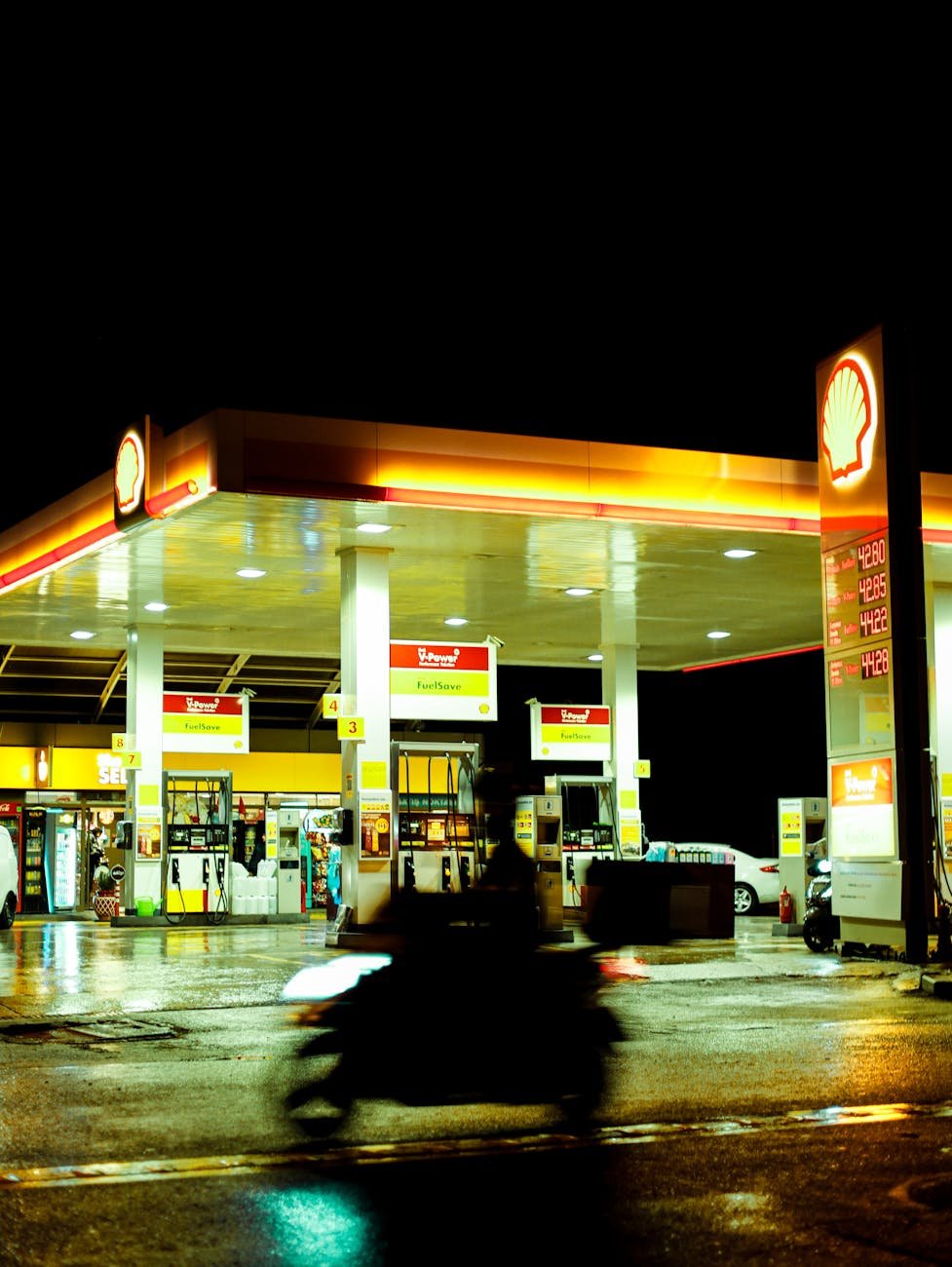
The partnership between Sarawak and global energy players, especially Shell Miri, laid the groundwork for decades of exploration, production, and economic growth. Even today, Shell maintains a strong operational presence in the region, supporting offshore activities and supplying technical expertise.
Why Miri Was Chosen
- Coastal location suitable for offshore development
- Rich subsurface hydrocarbon potential
- Strategic access to regional markets, including Brunei
- Natural deep-water ports supporting supply chain operations
This early start allowed Miri to grow into a mature, globally recognized oil city long before other parts of Malaysia joined the industry.
The Economic Backbone of the City
For decades, the energy sector has driven Miri’s economic engine. From high-income employment to international investments, nearly every part of the city has been influenced by oil and gas operations.
High-Income Job Creation
One of the biggest impacts is employment. A career in oil and gas Miri often offers higher-than-average salaries, especially in technical and offshore roles. This contributes to a stronger middle class, higher spending power, and a more developed local economy.
The city benefits from a wide range of energy-related careers:
- Petroleum engineers
- Mechanical and electrical engineers
- HSE specialists
- Offshore technicians and crews
- Geoscientists
- Project managers
- Supply chain and logistics teams
These jobs create a ripple effect. For every offshore position, multiple onshore roles support operations — from engineering firms to retail services.
Multiplier Effects on Local Businesses
The oil and gas ecosystem sustains thousands of jobs indirectly. High worker spending supports housing, retail, education, healthcare, and entertainment sectors. Many businesses in Miri — restaurants, tuition centres, gyms, real estate agencies — grow because of the stable income of energy-related professionals.
Infrastructure Development
Roads, telecommunications, airports, and townships have all grown in response to Miri’s expanding industrial needs. Areas like Lutong, Pujut, Riam, and Permyjaya expanded because the workforce needed homes, schools, and commercial centres.
Today, the city continues to modernize, with private developers focusing on communities designed to accommodate oil and gas professionals and their families.
Career Opportunities: Why Miri Attracts Global Talent
Miri has long been a magnet for both local and international professionals. Many choose to build a career in oil and gas Miri due to attractive compensation, training pathways, and technical exposure.
Strong Industry Presence
Major players such as Shell, Petronas, and numerous international contractors maintain operations in the region. These include offshore support firms, engineering consultancies, subsea services, fabrication yards, and logistics companies.
This creates a competitive but healthy job market for:
- Fresh graduates seeking apprenticeships
- Mid-level professionals upgrading skills
- Senior specialists seeking leadership roles
Cross-Border Career Flexibility
Miri’s proximity to Brunei adds another layer of advantage. Many professionals live in Miri while working in Brunei’s well-paying oil and gas sector. This cross-border ecosystem strengthens Miri’s housing market, international school demand, and upscale lifestyle offerings.
Training & Upskilling Opportunities
Institutions such as Curtin University Malaysia, technical colleges, and industry training providers offer courses tailored to oil & gas workforce requirements.
Common programs include:
- Petroleum engineering
- Welding and fabrication certifications
- HSE training
- Offshore survival courses
- Project management certifications
This ensures Miri continues attracting fresh talent and remains competitive globally.
The Social & Cultural Impact on Miri
The oil industry isn’t just about jobs — it has shaped the lifestyle, culture, and identity of the entire community.
A Cosmopolitan Yet Calm City
Miri looks and feels different from other Sarawak cities because of its long international presence. From expatriate communities to multilingual work environments, the city reflects global influences while keeping its local charm.
Stable Middle-Class Growth
Oil and gas incomes have helped families afford better homes, education, and healthcare. This has created stable neighbourhoods and a thriving retail scene. Malls, cafes, gyms, and new housing developments owe much of their growth to this demographic.
Environmental Consciousness
With national parks, coral reefs, and forests nearby, Miri has become increasingly aware of sustainability. Oil and gas companies in the city invest heavily in:
- environmental conservation programs
- community development projects
- clean energy awareness campaigns
The balance between industrial growth and environmental protection remains a key focus for the community.
Challenges: What the Industry Must Overcome
While the oil and gas industry has brought prosperity, it also faces real challenges that will influence Miri’s future.
Global Price Volatility
Oil price fluctuations affect contractor activity, job stability, and capital investment. When global prices drop, projects slow down, and Miri feels the impact.
Competition from Other Regions
The global shift toward renewable energy and stricter environmental policies means Miri must diversify and innovate to stay competitive.
Dependence on Offshore Activity
Miri’s oilfields are largely offshore, requiring high operational costs and advanced technology. Maintaining efficiency is essential for long-term viability.
Talent Retention
While the city attracts skilled workers, retaining young talent is a challenge due to competitive opportunities in KL, Singapore, Brunei, and global energy hubs.
The Future of Oil & Gas in Miri
Despite global energy transitions, Miri remains strategically important. The industry is evolving — not disappearing — and the city is positioning itself for long-term resilience.
1. Expansion into Deepwater & Enhanced Recovery
With maturing fields, companies are investing in improved extraction technologies. This opens new high-tech career opportunities and extends the industry’s lifespan.
2. Growth of Renewable Energy Integration
Oil and gas companies in Miri are beginning to adopt renewables such as solar, offshore wind studies, carbon capture, and green logistics.
Instead of a full transition, what’s emerging is a hybrid energy ecosystem.
3. Education & Skill Development
Training centres and universities are shifting toward programs that blend petroleum engineering with future-ready skills.
4. More Regional Collaboration
Miri’s proximity to Brunei creates opportunities for cross-border projects, talent exchange, and unified energy strategies.
5. Continued Property & Infrastructure Growth
The demand for housing, commercial developments, and lifestyle amenities will remain strong as long as the industry continues evolving sustainably.
Conclusion: Miri’s Identity Is Energy — Past, Present & Future
Miri would not be what it is today without oil and gas. It built the city’s economy, shaped its culture, and opened doors for thousands of families. While the industry faces new challenges, it also holds new opportunities — especially in technology-driven operations and sustainable energy integration.
The city’s future is a blend of tradition and transformation. As long as innovation continues and talent thrives, Miri will remain one of Malaysia’s most important energy hubs.
Frequently Asked Questions (FAQ)
1. Is Miri still a major oil and gas city in Malaysia?
Yes. Miri remains a key operational base for offshore activities, engineering services, logistics, and regional talent development.
2. Does Shell still operate in Miri?
Yes. Shell Miri continues to maintain facilities and support offshore operations in Sarawak waters.
3. Are there good job opportunities in Miri’s oil and gas sector?
Absolutely. Engineering, offshore, HSE, logistics, and project management roles remain in high demand.
4. Is the oil and gas industry in Miri declining?
No. It is transforming, with more focus on technology, deepwater opportunities, and energy diversification.
5. Is Miri a good place to live for oil and gas professionals?
Yes. The city offers affordable living, international schools, natural attractions, and a strong community shaped by decades of industrial growth.
📈 Looking for Ways to Grow Your Savings?
After budgeting or planning your property expenses, explore smarter investing options like REITs and stocks for long-term growth.
📈 Start Trading Smarter with moomoo Malaysia →(Sponsored — Trade REITs & stocks with professional tools)