

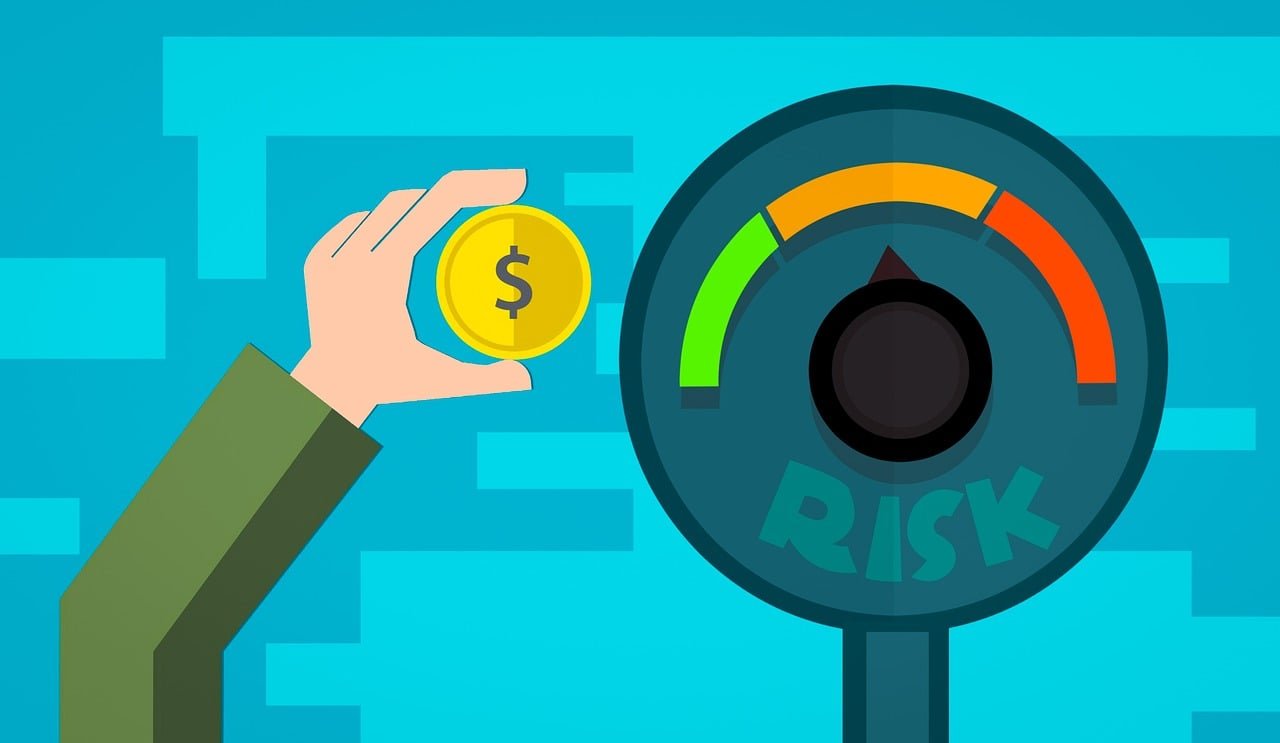
Understanding Investment Vehicles in a Sarawak Context
For investors in Miri and across Sarawak, deciding where to put money is no longer just about “which house to buy”. It starts with understanding the different vehicles that can carry your savings into the future – each with its own speed, risk, and level of flexibility.
In Sarawak, these vehicles typically fall into four broad categories: property, financial assets (like unit trusts and shares), alternative or business-type assets, and store-of-value assets such as gold. Each behaves differently in our local economic climate, where incomes, job stability, and liquidity needs can be very different from larger urban centres.
Instead of treating property as the default answer, it is more useful to view it as one option on a wider menu. The key question becomes: which vehicle fits your income stability, cash flow needs, risk tolerance, and life stage?
Economic and Income Realities in Miri and Sarawak
Any investment decision in Miri must be grounded in how people actually earn and spend here. Many households depend on a mix of salary, allowances, commission, and sometimes seasonal income from contracts or offshore work.
Miri’s economy is influenced by oil and gas, supporting services, civil service, education, healthcare, and small businesses. This means incomes can be stable for some, but cyclical or project-based for others, especially contractors, supply chain businesses, and those linked to commodity activity.
Two realities shape investment choices here: first, pay jumps can be uneven, especially between offshore and onshore roles. Second, emergency expenses can be unpredictable – from family health issues in rural hometowns to vehicle breakdowns on long-distance travel. These factors make liquidity – how quickly you can access your money – just as important as returns.
Property as an Investment Vehicle in Miri
Property in Miri spans from single-storey terrace houses in established areas, to double-storey semi-D units in newer schemes, to apartments and low-rise walk-up flats near commercial centres. There are also kampung houses and longhouses in rural surroundings, often on native or communal land.
As an investment vehicle, property in Miri has three defining features: it is relatively illiquid, it needs ongoing cash flow support, and it is sensitive to micro-location demand. Selling a terrace house in a mature township can still take months, and a shoplot in a quiet row can sit vacant far longer than expected.
Because transaction costs, loan commitments, and renovation expenses are significant, property is more suitable for investors who already have a cushion of savings, a stable or diversified income source, and a realistic view of rental demand in the chosen area. It becomes risky when it is used as the first and only vehicle, with no backup liquidity.
Non-Property Investment Vehicles Available to Locals
Before committing to a large, illiquid asset, many Miri investors can benefit from understanding smaller, more flexible non-property options. These allow you to build capital and test your own behaviour under risk and volatility, without taking on a 30-year commitment.
Unit Trusts and Managed Funds
Unit trusts offered through banks and licensed agents in Miri pool funds from many investors into diversified portfolios. They allow exposure to various sectors without needing large capital. They are more liquid than property – units can generally be sold back, though prices may fluctuate.
For those with variable income, disciplined monthly contributions into conservative or balanced funds can build a base of financial assets. This base can later support bigger decisions such as down payments, business expansion, or partial retirement.
EPF and Voluntary Contributions
For salaried workers in government-linked agencies, banks, or larger companies in Miri, EPF is often the most reliable long-term asset. Some are also eligible to make additional voluntary contributions. Although EPF is not highly liquid, it is structured for long-term wealth accumulation.
Seeing EPF as part of your overall investment portfolio is important. A person with a strong EPF position may approach property and other investments differently from someone who has very little retirement saving but multiple loans.
Direct Shares and Bursa Trading
Some investors in Miri buy shares through online platforms tied to local banks. This vehicle is liquid, but prices can swing quickly. It demands emotional control and a willingness to learn business fundamentals.
Share investing can be aligned with Sarawak-related counters or sectors you understand, such as plantations, utilities, or construction with visible local activity. However, it should start with small amounts until you fully appreciate how price movements affect your emotions and decision-making.
Alternative and Store-of-Value Investments
Beyond financial and property assets, many Sarawak investors naturally explore alternatives that feel closer to the ground. These can be powerful tools but also require extra caution, especially when they involve informal arrangements.
Small Businesses and Side Ventures
In Miri, common alternatives include small food businesses, online retail, transport services, homestays, and niche services for offshore workers. These ventures can sometimes yield higher returns than passive investments but require time, skills, and operational stamina.
Compared to buying a second property, starting or investing in a business may demand less upfront capital but carries higher execution risk. The key consideration is whether you personally have the capacity to manage daily operations and withstand slow periods.
Gold and Precious Metals
Gold jewellery and bullion are widely used in Sarawak as a store of value, especially in communities that prefer tangible assets. These can be bought from local goldsmiths in Miri or through bank-linked gold accounts.
Gold does not produce income, but it offers psychological comfort and easier liquidation in smaller amounts compared to a house or shophouse. It serves as an emergency fund of last resort for some families, especially where banking access or financial literacy is limited.
Informal Lending and Rotating Credit Groups
Some households participate in informal lending or rotating “kutu” schemes, especially among trusted colleagues or relatives. These can provide short-term access to lump sums but also carry risk if participants default or disputes arise.
From an investment standpoint, such arrangements should be treated as high-trust, high-risk tools – not a replacement for formal savings or investment structures.
How Income Level and Life Stage Affect Investment Choice
To decide what comes next, it helps to organise your thinking not by asset type, but by your income pattern and life stage. In Miri and Sarawak, four common profiles can be used as a guide.
Early Career with Modest Stable Income
This group includes junior office staff, technicians, teachers, nurses, and entry-level executives. Income is relatively steady but not high. Here, the priority is building liquidity and buffers through savings, emergency funds, and small, low-commitment investments.
Jumping into a large property loan too early can strain monthly cash flow, especially when family support obligations (parents, siblings, rural relatives) are considered. Non-property vehicles like EPF, conservative funds, and disciplined savings typically deserve more focus at this stage.
Mid-Career with Growing Responsibilities
This includes senior staff, experienced offshore workers, mid-level managers, and established professionals. Income is higher, but expenses may include children’s education, car loans, parental support, and sometimes assisting relatives in kampung areas.
At this stage, a combination approach often makes sense: maintaining liquidity while carefully selecting 1–2 larger commitments, which could be a home, a rental unit in a demand corridor, or a business expansion. The choice should reflect your own visibility on future income stability, especially if you are in project-based or cyclical sectors.
Business Owners and Self-Employed
Contractors, small factory owners, transport operators, and independent professionals in Miri often have irregular but potentially higher income. For them, the biggest risk is overcommitting during good years and being stuck in slow years.
These investors should emphasise liquidity reserves and flexible investments that can be adjusted quickly. A large property portfolio without sufficient cash buffer can become a burden if major clients reduce orders or government projects slow down.
Pre-Retirement and Retirees
Those nearing retirement from government service, GLCs, or long oil and gas careers in Miri usually have some EPF or pension base. Their main concern shifts from growth to stability and predictable income.
At this stage, very long payback investments, heavy renovation projects, or speculative purchases in unproven areas may not match their remaining working years. Simpler, lower-maintenance vehicles – such as a well-located, easy-to-rent unit, conservative funds, or fixed-income products – often align better with their risk capacity.
Comparing Investment Vehicles Side by Side
Once you view investments through the lens of income, life stage, and liquidity, you can compare vehicles more calmly. The aim is not to pick a winner, but to understand what role each might play in your overall plan.
| Vehicle | Liquidity in Miri/Sarawak Context | Typical Capital Needed | Main Local Risks |
|---|---|---|---|
| Residential Property (e.g. terrace house) | Low – may take months to sell or rent, especially in oversupplied areas | High – down payment, legal fees, renovation, furnishing | Vacancies, tenant issues, slower demand in certain townships, job cuts in key sectors |
| Commercial Property (e.g. shoplot) | Low – dependent on local business activity along specific rows or streets | Very high – purchase price and renovation often substantial | Empty units, shifting trade routes, concentration of similar businesses, economic slowdowns |
| Unit Trusts / Funds | Medium to high – units generally redeemable with notice | Low to medium – can start with small monthly contributions | Market volatility, choosing unsuitable risk levels, emotional selling during downturns |
| Direct Shares | High – can usually be sold quickly during market hours | Flexible – from very small to large positions | Price swings, speculation, following rumours, lack of research on companies |
| Small Business / Side Venture | Very low – capital tied up in stock, equipment, and goodwill | Varies – from a few thousand RM for small ventures to much more | Competition, operational challenges, reliance on owner’s time and health, local demand shifts |
| Gold (jewellery or bullion) | Medium – can be sold to goldsmiths or dealers, sometimes at a spread | Flexible – can accumulate slowly | Theft risk, price fluctuations, overpaying on workmanship for jewellery |
Common Investment Mistakes in Smaller Cities
In places like Miri, where communities are tight-knit and news travels fast, investment decisions are often influenced by what relatives, colleagues, or neighbours are doing. This can lead to patterns of mistakes that repeat every few years.
One common issue is copying someone who made money under very different conditions. For example, buying in a housing scheme after hearing that an early buyer did well, without checking that the later entry price and rental market are now less favourable.
Another mistake is underestimating how an investment ties up your time and attention. Taking on a distant rental house in a kampung area, or a shoplot in a quiet row, can lead to constant problems if you cannot regularly inspect, manage repairs, or deal with tenants.
Finally, many investors overlook their own liquidity needs. Committing almost all savings into a single property and then facing a medical emergency, education cost, or business slowdown can force rushed decisions at bad prices.
Practical Takeaways for Miri and Sarawak Investors
To move from theory to action, it helps to turn the above ideas into a simple decision sequence. The question is no longer “Which property should I buy?” but “What is the next sensible vehicle for where I am right now?”
- Check your emergency buffer first: aim for several months of expenses in accessible form before any major, illiquid commitments.
- Map your income pattern: if your income is unstable or project-based, prioritise flexible vehicles and avoid overloading on long-term loans.
- Align with life stage: early stage – build liquidity and test small investments; mid-career – combine growth with protection; pre-retirement – focus on stability and ease of management.
- Limit concentration: avoid putting all surplus into one shoplot, one far-away kampung house, or one speculative scheme; diversify across a few different vehicles where possible.
- Match investment effort to your capacity: if you are often offshore or travelling between towns, be realistic about how much time you can spend managing tenants or running a side business.
FAQs
1. Should I prioritise property or non-property investments first?
For many in Miri with modest savings and early-career incomes, beginning with non-property investments and a solid cash buffer is often more practical. Property can come later when your income and reserves can comfortably support long-term commitments.
2. Is property always safer than shares or unit trusts?
Not necessarily. While a house is tangible, property in an oversupplied or low-demand area can be riskier and slower to exit than diversified funds or carefully chosen shares. Safety depends on location quality, your holding power, and overall portfolio balance.
3. I have irregular income. What type of investment suits me?
For irregular earners such as contractors or small business owners, flexible contributions to funds, building cash reserves, and smaller ticket investments often fit better than large, fixed monthly loan obligations. Liquidity and adaptability should be your main filters.
4. Can a single rental house in Miri be enough as my main investment?
It can be one component, but relying on a single property exposes you to vacancy, repair costs, and tenant risk. It is usually healthier to pair it with other vehicles such as EPF, unit trusts, or modest business interests, depending on your skills and time.
5. Does higher income mean I should quickly expand into multiple properties?
Higher income alone is not a green light. You still need to consider job security, sector risk, family obligations, and how much time you can devote to managing multiple assets. Growing too fast without buffers can turn a strong income into a stressful burden.
In Miri and across Sarawak, the investors who tend to cope best with shocks are not those with the biggest single asset, but those who matched each investment vehicle to their income pattern, life stage, and personal capacity to manage risk.
This article is for educational and market understanding purposes only and does not constitute financial, business, or investment advice.
📈 Want Steadier Income Without Buying Property?
👉 Explore REIT Investing with a Smarter Trading App
Perfect for investors focused on steady income & long-term growth.
Join moomoo Malaysia here ➤
https://j.moomoo.com/0xwSKj
🏠 Find Property in Miri
- Latest Property For Sale in Miri
- Latest Property For rent in Miri
- New Project Launches in Miri
- Latest Land For Sale in Miri
- Search properties by keys area in Miri
- Property Guides & Tips (Malaysia)
⚠️ Disclaimer
This article is provided for general property information and educational purposes only.
It does not constitute legal, financial, or official loan advice.
Information related to pricing, loan eligibility, and property status is subject to change
by property owners, developers, or relevant institutions.
Please consult a licensed real estate agent, bank, or property lawyer before making any
property purchase or rental decisions.
📈 Looking for Ways to Grow Your Savings?
After budgeting or planning your property expenses, explore smarter investing options like REITs and stocks for long-term growth.
📈 Start Trading Smarter with moomoo Malaysia →(Sponsored — Trade REITs & stocks with professional tools)