
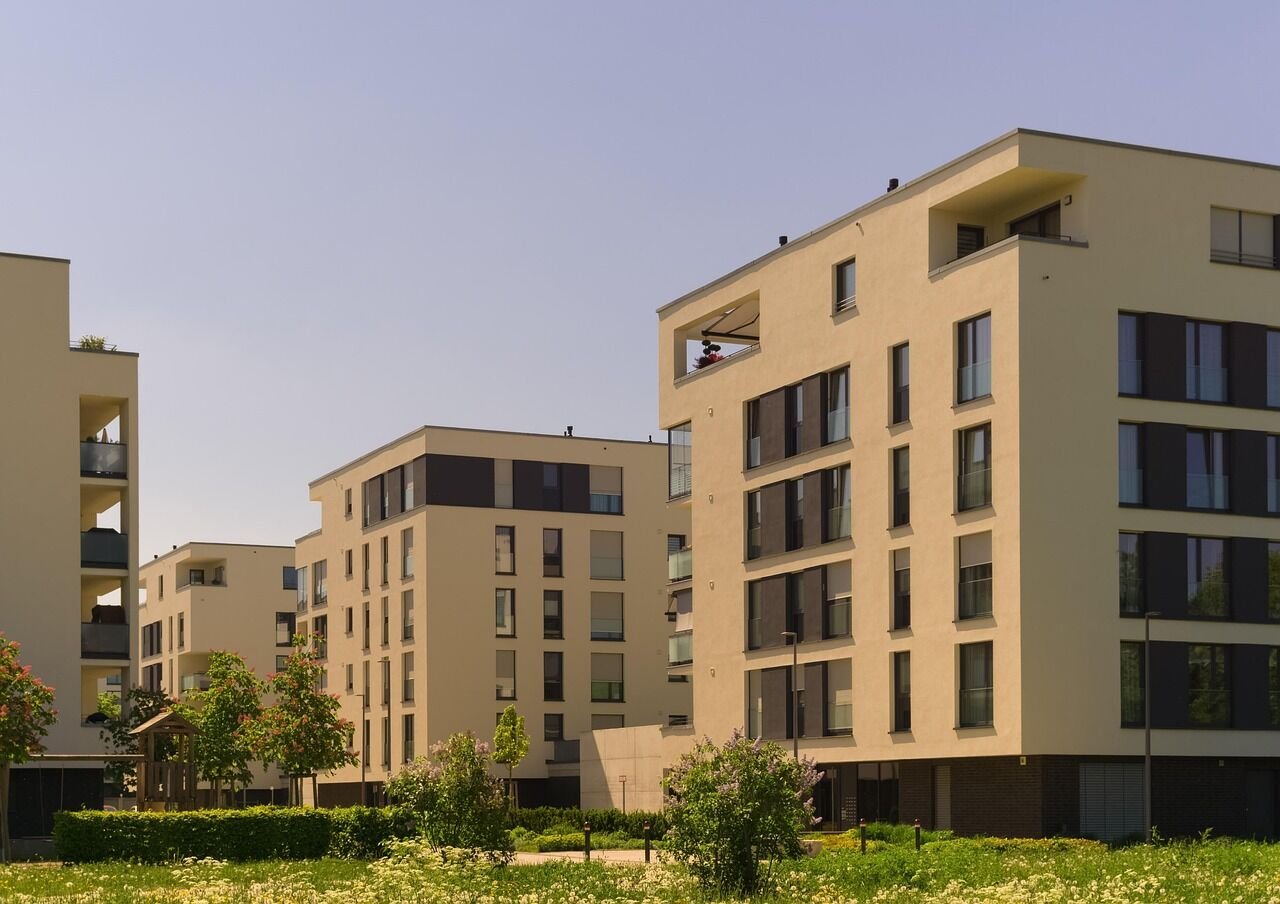
Managing a Vacant Home in Miri: Practical Guide for Outstation and Offshore Owners
Many Miri homeowners now work in other parts of Sarawak, in West Malaysia, or offshore for weeks at a time. Terrace and landed houses sit empty for long periods, whether they are own-stay homes, vacant rental units, or newly bought subsale properties waiting for tenants.
When a house is left unattended in Miri’s humid, rainy climate, small issues can grow quietly into expensive problems. This article explains the real risks, what to look out for, and how professional monitoring can give you peace of mind without needing to fly back every month just to check on the house.
Why Vacant Homes in Miri Are at Higher Risk
Vacant homes in Miri face a combination of tropical weather, humidity, and security concerns. When no one is staying in the property regularly, problems often go unnoticed until they are serious.
For example, an offshore O&G staff based in Bintulu rotation might only come back to Miri every 3–4 months. A small roof leak that starts in October might only be discovered during Chinese New Year, by which time ceiling boards, wiring, and built-in cabinets could already be damaged.
Similarly, public-sector employees posted to Kuching or KL often keep their Miri terrace house as a future retirement home. Because the house is empty most of the year, minor issues like clogged gutters, hairline cracks, or faulty pumps can quietly worsen.
Local Conditions That Accelerate Damage
Miri’s climate creates a few specific challenges for vacant houses:
- High humidity encourages mould growth, especially in wardrobes, bathrooms, and poorly ventilated rooms.
- Frequent rain and strong sun wear out roofs, paint, and external sealant faster than many owners expect.
- Termites and pests thrive in damp, undisturbed areas like store rooms, wooden skirtings, and garden soil.
- Power interruptions can affect alarms, automatic gates, and fridges, causing both security and maintenance issues.
When someone is living in the house, they notice and respond to these early signs. In a vacant home, the same issues can remain hidden for months.
Common Problems in Unattended Miri Homes
Most outstation owners only discover serious issues after they finally return for a longer stay. By then, repair costs are significantly higher than if the issue was caught early.
“Many homeowners only discover serious damage after repair costs become significantly more expensive.”
1. Water Leaks and Hidden Moisture
Water is one of the most damaging forces in any property, especially in Sarawak’s climate. A small leak from the roof, bathroom pipe, or water tank can slowly soak ceilings, timber, and wiring.
Example: A Miri owner working offshore in Brunei left his landed house vacant for eight months. A leaking joint in the upstairs bathroom dripped into the plaster ceiling and wall. By the time he returned, he found stains, sagging ceiling boards, and mould, with repairs quoted at over RM7,000 including repainting.
Prevention tip: Regular inspections to test water pressure, check for damp spots, and observe ceilings after heavy rain can catch these problems early, when repairs may cost only a few hundred ringgit.
2. Mould, Mildew, and Smell
Closed-up houses with no airflow quickly develop a musty smell. In Miri, humidity creeps into wardrobes, under beds, behind cabinets, and in air-cond units. Over time, mould can damage furniture, clothes, curtains, and even wall paint.
Owners who leave their air-cond off for months often find black patches or fungus in the indoor units. This not only affects the air quality but can shorten the life of the system and require deep cleaning.
Prevention tip: Periodic opening of windows (when safe), running fans or dehumidifiers during inspections, and checking for early mould spots can prevent costly replacements of built-in furniture and soft furnishings.
3. Termites, Ants, and Other Pests
Vacant terrace and landed houses are attractive to termites, ants, rats, and even snakes in certain areas. Without movement or cleaning, pests can spread freely.
In some Miri neighbourhoods, termite issues are common due to nearby trees or empty plots. Owners sometimes discover damage only when a door frame crumbles or built-in kitchen cabinets begin to warp.
Prevention tip: Regular visual inspections, termite baiting where necessary, and clearing vegetation around the house boundary can greatly reduce pest risk.
4. Electrical and Plumbing Issues
Power trips, faulty pumps, and leaking taps often go unnoticed in a vacant property. A tripped breaker may cause the alarm or CCTV to go offline. A toilet flush that sticks can waste water silently for weeks, showing up later as a shockingly high water bill.
For offshore workers who can only come back to Miri once every few months, discovering an unexpectedly high TNB or LAKU bill is a common unpleasant surprise.
Prevention tip: Scheduled inspections to test key systems (pumps, water heaters, lights, sockets) and to confirm alarms and CCTVs are running can prevent both damage and wastage.
5. Security and Vandalism Concerns
Vacant homes can attract unwanted attention, especially in residential areas where neighbours notice that lights are always off and no one comes and goes. Uncollected mail, overgrown grass, and dark porches are clear signs that nobody is staying there.
Besides break-ins, there are also risks of vandalism, illegal dumping in front of the house, or people using the porch without permission. For vacant rental homes and subsale properties still waiting for new occupants, this is a common worry.
Prevention tip: Keeping the house looking “lived-in” through regular visits, occasional light usage, and minor landscape upkeep can reduce these risks significantly.
Warning Signs Your Vacant Miri House May Already Have Problems
If you own a vacant property in Miri and have not inspected it for a few months, look out for these signs during your next visit:
- Musty or damp smell immediately when opening the door
- Visible water stains or discolouration on ceilings, especially near bathrooms
- Peeling paint or bubbles on walls
- Fine dust trails or mud tubes along walls and skirting (possible termite activity)
- Mould spots in bathrooms, on window frames, or behind furniture
- Sticky or swollen wooden doors that are suddenly hard to close
- Overgrown grass, weeds, or leaves clogging drains and gutters
- Rusting gate hinges or metal fences from constant exposure to rain
Finding these signs early allows you to take action before they evolve into major structural or safety issues.
How Costs Escalate When Problems Are Ignored
Many owners assume that “no one staying there” means “nothing much can go wrong”. In reality, neglect is often more expensive than regular care. The table below illustrates how small issues can escalate in a typical Miri terrace or landed house.
| Issue | Possible Risk if Ignored | Typical Repair Cost in Miri (RM) |
| Minor roof leak | Ceiling damage, mould, electrical short circuit | Early fix: RM300–RM800; Late fix with ceiling & repainting: RM2,000–RM5,000+ |
| Small plumbing leak | Water damage to cabinets, tiles de-bonding | Early fix: RM150–RM500; Major repair & cabinet replacement: RM3,000–RM8,000+ |
| Untreated mould | Damage to built-ins, smell, health concerns | Basic cleaning: RM300–RM800; Repainting & furniture loss: RM2,000–RM6,000+ |
| Termite activity | Structural damage to door frames, cabinets, sometimes roof | Treatment only: RM800–RM2,000; With repairs: RM5,000–RM15,000+ |
| Clogged gutters & drains | Water overflow, damp walls, mosquito breeding | Regular cleaning: RM150–RM400; Repairs from water damage: RM1,500–RM4,000+ |
These figures are only estimates, but they show how quickly costs can jump when inspections are delayed for months or years.
The Real Challenge: Distance and Time
For many owners, the main problem is not the lack of awareness, but the lack of time and access. Consider these common situations:
Offshore rotation workers may work 28 days on, 28 days off, or similar patterns. When they return to Miri, they often prioritise family time and personal rest, not climbing onto roofs or inspecting drains.
Public-sector staff posted to Kuching or West Malaysia may only return to Miri a few times a year due to flight costs, work schedules, and family commitments. Planning a special trip just to “check the empty house” can feel wasteful and tiring.
Owners living outside Sarawak, especially in KL, Johor, or Singapore, often depend on relatives or neighbours for occasional updates. While this can help, it is not always realistic to expect them to do detailed inspections.
This is why many issues in vacant Miri homes are only discovered during festive seasons or school holidays, when owners finally have time to stay in the property again.
Benefits of Professional Property Monitoring
Professional property monitoring or vacant-home care services are becoming more common in Miri, especially among owners with multiple units or long-term offshore jobs. The main goal is preventative care and peace of mind, not constant renovation.
What Regular Monitoring Typically Includes
While each service provider is different, a typical monitoring plan for a vacant terrace or landed house may include:
- Scheduled inspections (e.g. monthly or bi-monthly) with basic photo or video reports.
- Checking for leaks, damp spots, mould, and signs of pests.
- Testing lights, fans, and key sockets to ensure power is stable.
- Flushing toilets and running taps briefly to keep traps and pipes in good condition.
- Visual checks of roof, gutters, and balcony drains where safely accessible.
- Monitoring garden or compound condition, and basic tidying where applicable.
- Confirming doors, windows, and gates are secure after each visit.
This approach focuses on catching early warning signs, so that any necessary repair can be arranged while the problem is still small and manageable.
How Monitoring Reduces Long-Term Costs
Over time, owners often find that regular inspections help them avoid big, unexpected repair bills. Instead of one major RM10,000+ repair every few years, they handle smaller RM200–RM800 issues when they first appear.
For outstation owners with vacant rental homes or subsale properties waiting for tenants, this can also protect the property value and make the unit easier to rent out when the time comes. A house that smells fresh, has no water stains, and shows no sign of pests will attract better-quality tenants and potentially higher rent.
Peace of Mind for Remote Owners
Beyond the financial considerations, many owners say that the greatest benefit is simply peace of mind. Knowing that someone is regularly checking the house, sending updates, and flagging issues allows them to focus on work and family without constant worry about the property.
For offshore workers, this means fewer anxious thoughts about whether the last thunderstorm in Miri caused any leaks. For those living outside Sarawak, it means they do not need to arrange frequent flights just to “take a quick look” at an empty house.
Frequently Asked Questions (FAQ)
1. How often should a vacant home in Miri be inspected?
For most terrace and landed homes in Miri, a monthly or bi-monthly inspection is generally recommended. This frequency balances cost and practicality while still catching most common issues early, especially during the rainy seasons.
If your property has a history of leaks, termite issues, or is surrounded by empty land, slightly more frequent checks may be sensible.
2. What are the main risks of leaving a house empty for long periods?
The main risks include hidden water damage, mould growth, pest infestations, and security concerns. Over months, these can affect structural elements, built-in furniture, and electrical systems, and may significantly increase repair costs.
There is also the risk of unnoticed utility issues such as silent water leaks or power trips, which only show up later as high bills or damaged equipment.
3. How can I monitor my Miri property remotely?
Many owners combine CCTV and alarm systems with human inspections. Cameras can help you view main areas like gates and porches, but they will not show you ceiling leaks or mould inside wardrobes.
Remote monitoring works best when you have both: technology to watch the exterior and entrances, and a trusted person or service to physically enter the house, test systems, and send you detailed updates.
4. Is it worth paying for property management or monitoring if I rarely come back?
For owners working offshore, outside Sarawak, or in other countries, occasional monitoring is often cheaper than major future repairs. Instead of viewing it as an extra expense, many treat it as a form of preventive maintenance, similar to regular car servicing.
The value becomes clear when a small leak is fixed quickly, a termite issue is spotted early, or a security concern is addressed before a break-in occurs.
5. Does this apply only to own-stay homes, or also to rental and subsale units?
The same principles apply to vacant rental homes and subsale properties. Any house that is standing empty for more than a month at a time is at higher risk of unnoticed damage.
Keeping these units well-maintained not only protects the building but also helps you secure good tenants or buyers more quickly when you are ready.
Taking the Next Step to Protect Your Miri Property
Whether you are an offshore worker, a public-sector employee posted outside Miri, or a Sarawakian living in West Malaysia, your vacant home is a significant investment. Unattended houses do not stay in the same condition over time; they either improve with care or slowly deteriorate with neglect.
Simple, regular inspections and basic preventive maintenance can make a big difference. They help you avoid surprise repair bills, protect the long-term value of your terrace or landed property, and give you greater confidence that your Miri home is safe and well looked after, even when you are far away.
Regular property inspections often help homeowners avoid major repairs and unexpected long-term maintenance costs.
This article is for educational and general property awareness only and does not constitute legal, security, engineering, or financial advice.
🏠 Find Property in Miri
- Latest Property For Sale in Miri
- Latest Property For rent in Miri
- New Project Launches in Miri
- Latest Land For Sale in Miri
- Search properties by keys area in Miri
- Property Agent in Miri
- Property Guides & Tips (Malaysia)
⚠️ Disclaimer
This article is provided for general property information and educational purposes only.
It does not constitute legal, financial, or official loan advice.
Information related to pricing, loan eligibility, and property status is subject to change
by property owners, developers, or relevant institutions.
Please consult a licensed real estate agent, bank, or property lawyer before making any
property purchase or rental decisions.
📈 Looking for Ways to Grow Your Savings?
After budgeting or planning your property expenses, explore smarter investing options like REITs and stocks for long-term growth.
📈 Start Trading Smarter with moomoo Malaysia →(Sponsored — Trade REITs & stocks with professional tools)
