
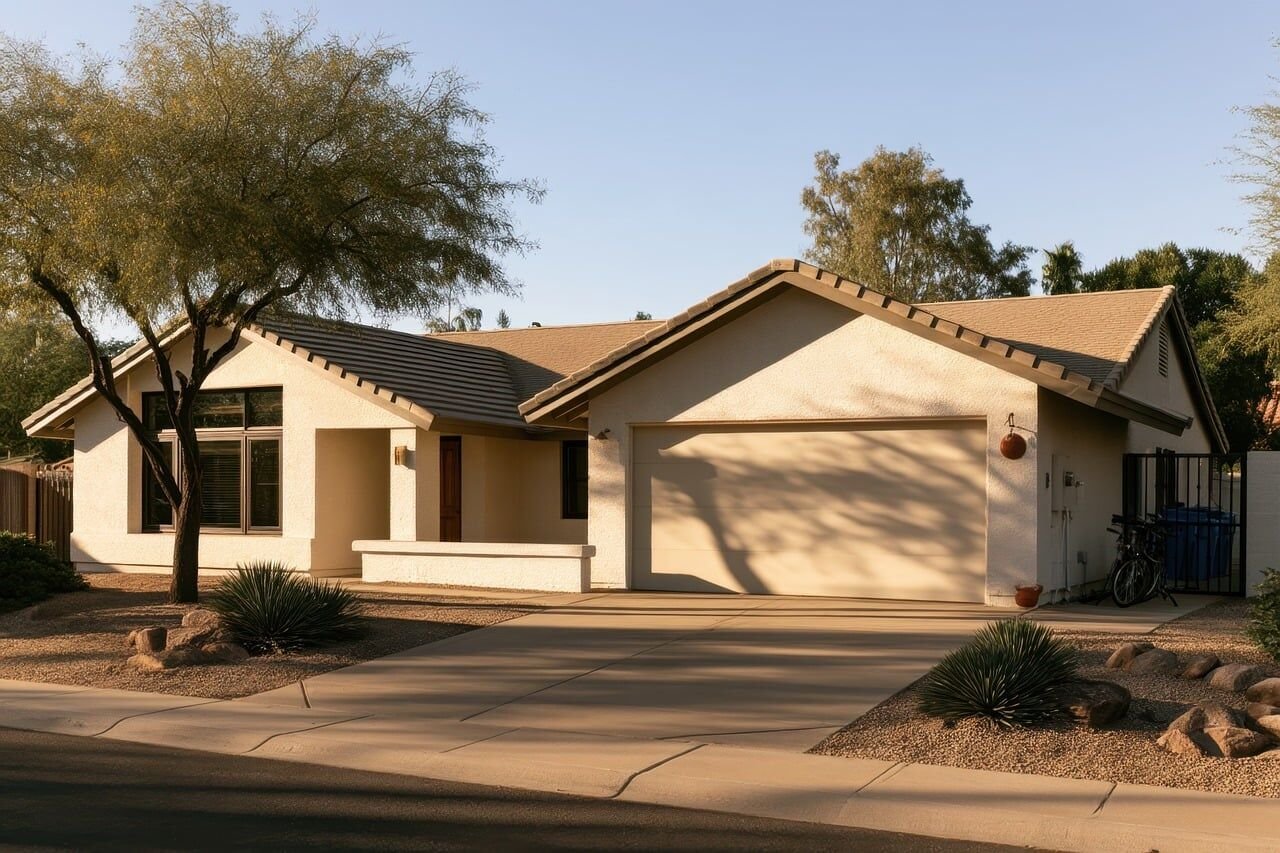
Practical Guide to Managing Rental Property in Miri, Sarawak
Managing a rental property in Miri can be rewarding, but it also comes with stress: late rental, difficult tenants, maintenance headaches, and uncertainty about the market. For many Sarawak landlords, the biggest struggle is finding a way to manage their property without it taking over their time and peace of mind.
This article shares practical strategies for Miri and Sarawak landlords to manage their rentals more effectively, reduce tenant issues, and decide whether to self-manage or work with a property agent. The focus is on local realities in areas like Senadin, Lutong, Permyjaya, and Piasau.
Understanding Miri’s Rental Market: What Landlords Should Know
Miri’s rental market is shaped by a mix of oil & gas professionals, Curtin University students, government staff, and local families. Different areas attract different tenant profiles, so your management strategy should match your property location.
Senadin has strong demand from students and staff of Curtin University, as well as young families. Lutong and Piasau are traditionally popular with oil & gas related staff due to proximity to industrial and office areas. Permyjaya attracts local families and civil servants looking for affordable housing with amenities.
Typical Tenant Profiles by Area
Landlords who understand typical tenant patterns in Miri can set more realistic expectations and design better rental policies.
| Area | Typical Tenant | Rental Range (approx.) | Key Concerns |
| Senadin | Students, young working adults, small families | RM800–RM1,600 (apartments/terrace, depending on furnishing) | Turnover rate, wear & tear, need for basic furniture |
| Lutong | Oil & gas staff, contract workers | RM1,200–RM2,500 (depending on property type & condition) | Short- to medium-term leases, company tenancies, higher expectations |
| Permyjaya | Local families, civil servants | RM800–RM1,500 | Price sensitivity, long-term stability, basic maintenance |
| Piasau | Professionals, mixed local & expatriate | RM1,500–RM3,000 (especially for larger houses) | Quality of upkeep, security, neighbourhood environment |
These are general ranges and will vary based on furnishing, condition, and exact location. Well-maintained and properly managed units usually achieve better and more stable rents over time.
“In Miri’s rental market, consistent tenant quality often matters more than achieving the highest possible rent.”
Common Problems Miri Landlords Face & How to Handle Them
Miri landlords usually share a similar set of frustrations: late payment, property damage, high vacancy, and communication problems with tenants. Many of these issues can be reduced with clearer systems and expectations.
1. Late Rental Payments
In Miri, late payment often happens due to salary timing, poor tenant budgeting, or simple neglect. Landlords sometimes tolerate this “because tenant is nice”, but over time it affects your cash flow and creates bad habits.
Practical steps: State due dates clearly in the tenancy agreement (for example, rental due on or before the 3rd of every month). Include late payment clauses, and send polite but firm reminders via WhatsApp or email a few days before due date, especially in the first few months.
2. Property Damage and Poor Upkeep
Higher tenant turnover areas like Senadin (students) are more prone to wear and tear. In Piasau and Lutong, tenants may expect better upkeep because they are paying higher rent, and may complain quickly if maintenance is slow.
Practical steps: Conduct joint check-in and check-out inspections with photos and written checklists. Collect adequate security deposit (commonly two months rental + half-month utilities). Clarify what is considered “fair wear and tear” vs damage in your house rules.
3. Long Vacancy Periods
In quieter parts of Permyjaya or older units in less strategic locations, landlords may face longer vacant periods, especially if asking rent is slightly above market or the unit is not well presented.
Practical steps: Research current listings in your area, and be realistic with your asking rent. In Miri, a clean, freshly painted unit with working air-cond and basic lighting already stands out. Respond quickly to rental enquiries; many tenants in Miri choose the first landlord or agent who replies and arranges viewing.
4. Difficult or Unresponsive Tenants
Some tenants ignore house rules, disturb neighbours, or avoid responsibility for damages. In student-heavy or shared rental setups in Senadin, this can be more common if not properly screened.
Practical steps: Screen tenants carefully (see checklist below), keep written records of all complaints and communication, and issue written notices when necessary. For serious breaches, follow proper legal process, and consider engaging an experienced agent or lawyer for guidance.
Tenant Screening: A Simple Checklist for Miri Landlords
Many rental problems in Miri start from poor tenant selection. Even if you self-manage, having a simple screening system can reduce problems significantly.
- Verify employment or student status: For workers, request recent payslips or employment letter. For students in Senadin, request proof of enrolment and possibly a guarantor.
- Check rental history: Ask for previous landlord or agent contact where possible, especially for higher-rent properties in Lutong and Piasau.
- Ask simple but clear questions: Number of occupants, any pets, intention to use property (residential only), expected rental period.
- Observe communication style: How they respond to messages, whether they follow viewing appointments, and if they argue excessively about small details before even moving in.
- Use a proper tenancy agreement: Clearly state rent, deposit, due dates, notice period, house rules, and repair responsibilities.
Good tenant screening is not about discrimination; it is about matching the right tenant profile to your specific property and risk level.
Balancing Rental Income and Tenant Quality
Many Miri landlords feel pressured to push rent higher, especially when they hear neighbours claiming higher amounts. However, chasing the highest rent can sometimes attract tenants who over-stretch themselves or demand more than they are willing to pay for long.
In areas like Senadin and Permyjaya, slightly lower but stable rent with a long-term, responsible tenant can be more profitable than frequent turnovers at higher rent. Every time a tenant leaves, you face vacancy, repainting, cleaning, and possible repairs.
Key Trade-Offs for Miri Landlords
| Issue | Impact | Practical Solution |
| Insisting on top-market rent | Longer vacancy, fewer enquiries | Price slightly below top of market to attract more stable tenants |
| Accepting any tenant to “fill up fast” | Higher risk of late payment and damage | Use basic screening and do not rush the decision |
| Delaying repairs to save cost | Tenant dissatisfaction, early termination | Handle essential repairs quickly; schedule non-urgent works properly |
| Weak communication | Misunderstandings, conflicts | Use written communication and clear house rules from the start |
Maintenance and Repairs: Setting Clear Responsibilities
In Sarawak, it is quite common for tenants and landlords to argue over who should pay for what repair, especially when air-conds, water heaters, or plumbing start to fail. Without clear agreement, this creates tension and delays.
A simple rule many Miri landlords use: landlord handles structural and major system issues (roof leaks, wiring, main plumbing), while tenants handle small consumables (light bulbs, remote batteries, minor blockages) and damage caused by their misuse.
Practical Tips for Smoother Maintenance
Include a clause that tenants should inform the landlord or agent early about any leaks or issues. This is important in Miri’s weather, where small leaks can become big roof or wall problems if ignored. Keep contact details of at least one reliable handyman, plumber, and air-cond technician who can attend to the property within a reasonable time.
Regular minor maintenance can actually save you more money than waiting for things to break completely.
Self-Manage vs Using a Property Agent in Miri
Many Miri landlords start by managing their own properties to save on fees, especially when rental income is modest. Over time, some realise the time and stress involved is not worth the savings, especially if they are based outside Miri or travel frequently.
When Self-Management Might Work
If you live in Miri, have just one or two units, and your tenants are stable (for example, a family in Permyjaya) you may find it manageable to collect rent yourself and handle minor issues. This is especially true if you are comfortable dealing with contractors and following up on payments.
However, be prepared to: answer calls after working hours, deal with confrontations, handle viewing appointments, and monitor changing rental rates in your area.
How a Property Agent Can Help (Without the Hype)
A good rental agent in Miri should not only help you find a tenant but also guide you on realistic rental, tenant selection, and local expectations. In busier markets like Senadin and Lutong, agents can handle frequent enquiries and viewings, which can be time-consuming for owners.
Some agents only handle tenant placement (marketing and documentation), while others also offer ongoing management, such as rent collection reminders, inspection arrangements, and coordinating repairs with contractors on your behalf.
Benefits of using an agent in the Miri context include: local market knowledge (what tenants in each area expect), help with tenancy agreements, pre-screening of tenants, and acting as a buffer in difficult conversations. This can reduce emotional stress, especially for landlords who prefer not to deal with confrontations directly.
Setting Realistic Rental Expectations in Miri
Landlords in Sarawak sometimes use numbers they hear from friends, Facebook groups, or old rental agreements from years ago. However, actual achievable rent depends on current demand, condition, and competition in your specific neighbourhood.
For example, a well-maintained, partly furnished intermediate terrace in Senadin near Curtin bus routes may secure a student group tenancy at a reasonable rate, while a similar house deeper inside may take longer to rent unless priced more competitively.
Simple Ways to Check Market Reality
Look at multiple current listings in your exact area (same area, similar size, similar furnishing). Pay attention not only to asking rent but how long the units have been advertised. Units that stay advertised for months are often overpriced or poorly presented.
You can also ask property agents who are active in your area what kind of tenants are currently enquiring, and what range they are realistically closing deals at. Using this information, you can decide whether to adjust your rent slightly or improve your unit’s condition to stand out.
Reducing Stress: Systems and Documentation
The most stressful landlord experiences usually involve uncertainty and lack of control: not knowing when rent will come in, guessing what damage will appear at the end, or dealing with sudden tenant complaints. Systems and documentation reduce this stress.
Basic Systems Every Miri Landlord Should Have
Create a simple file (digital or physical) with your tenancy agreement, photo inventory at start of tenancy, and a record of payments. Use a consistent way of issuing receipts, even if tenants pay via bank transfer. Keep all communication with tenants mainly through text or email so you have a record if disputes arise.
When expectations are written and agreed upfront, many arguments later can be avoided.
Frequently Asked Questions (FAQs) for Miri Landlords
1. How much rental can I realistically expect for my property in Miri?
This depends on location, condition, size, and furnishing. In general, Senadin and Permyjaya units for families or students may range around RM800–RM1,600, while houses in Piasau or certain parts of Lutong may go higher if they are well maintained and in good locations. It is best to compare with current listings and, if possible, recent transacted rents shared by agents active in your area.
2. How can I reduce the risk of problem tenants?
Use a basic screening process: verify income or enrolment, ask about rental history, observe their behaviour during viewing, and use a proper written tenancy agreement with clear rules. In higher-risk areas or multi-tenant setups (like student houses in Senadin), consider working with an agent who has experience managing such profiles.
3. What kind of services do rental agents in Miri usually provide?
Most agents assist with marketing the unit, arranging viewings, advising on market rent, screening tenants, negotiating terms, and preparing tenancy documentation. Some also offer ongoing management services, which may include rent reminders, inspections by arrangement, and coordinating repairs with contractors on your behalf.
4. Is it worth paying an agent if my rental income is not very high?
It depends on how you value your time and stress level. If you stay outside Miri, are busy with work, or dislike handling confrontations, an agent’s support can prevent costly mistakes and long vacancies. For smaller rentals, some landlords handle basic management themselves but still use agents to secure and screen the initial tenant.
5. What are the main risks of renting out property in Miri?
Key risks include late or non-payment of rent, property damage, long vacancies, and legal disputes. These risks are not unique to Miri, but local factors like student-heavy areas, contractor-based employment, and weather-related issues (leaks, humidity damage) make screening, clear agreements, and regular maintenance especially important.
Being a landlord in Miri and wider Sarawak can be a steady source of income if treated as a small business with proper systems. Whether you choose to self-manage or work with a property agent, taking the time to understand your local market, set clear expectations, and screen tenants carefully will help you protect your property and reduce stress in the long run.
This article is for educational and market understanding purposes only and does not constitute financial, property, or investment advice.
🏠 Find Property in Miri
- Latest Property For Sale in Miri
- Latest Property For rent in Miri
- New Project Launches in Miri
- Latest Land For Sale in Miri
- Search properties by keys area in Miri
- Property Agent in Miri
- Property Guides & Tips (Malaysia)
⚠️ Disclaimer
This article is provided for general property information and educational purposes only.
It does not constitute legal, financial, or official loan advice.
Information related to pricing, loan eligibility, and property status is subject to change
by property owners, developers, or relevant institutions.
Please consult a licensed real estate agent, bank, or property lawyer before making any
property purchase or rental decisions.
📈 Looking for Ways to Grow Your Savings?
After budgeting or planning your property expenses, explore smarter investing options like REITs and stocks for long-term growth.
📈 Start Trading Smarter with moomoo Malaysia →(Sponsored — Trade REITs & stocks with professional tools)
