

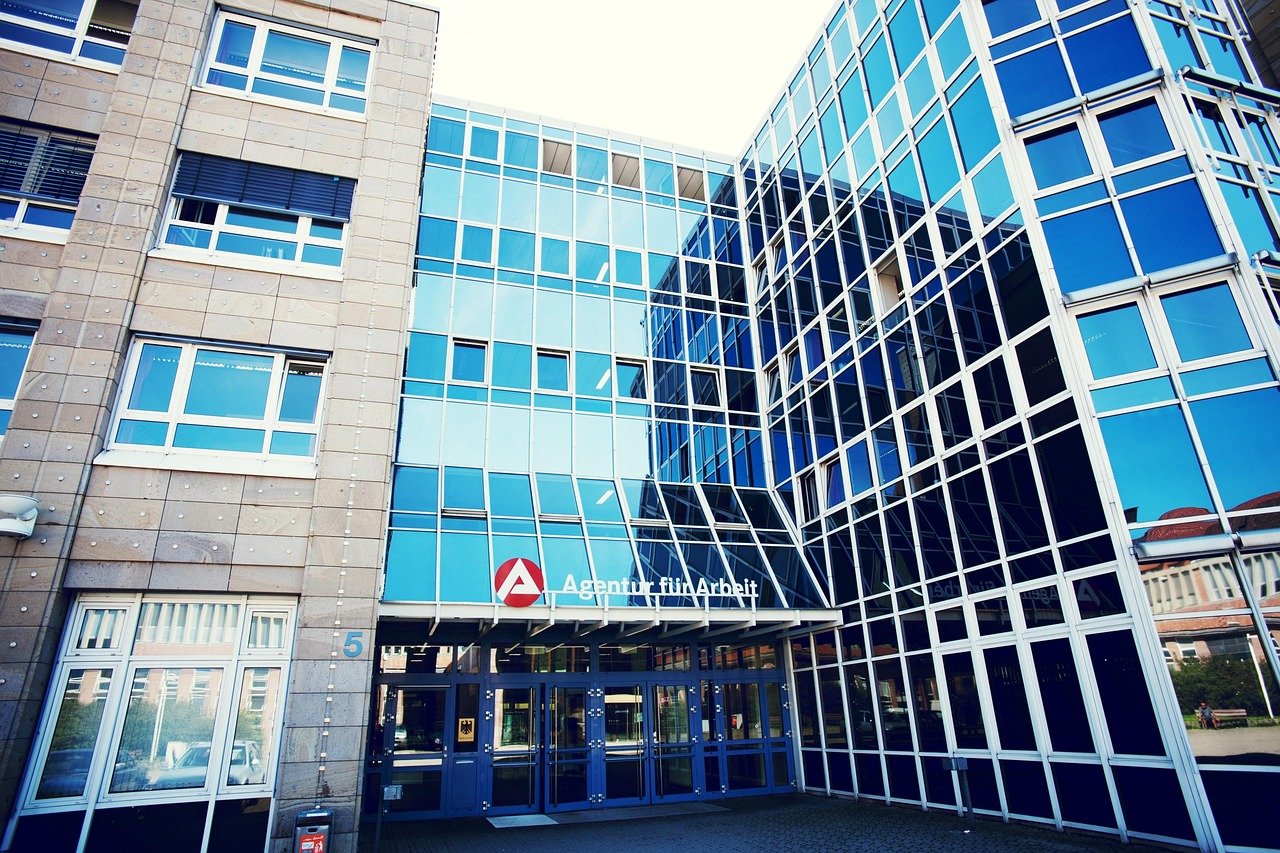
Oil & Gas employment landscape in Miri, Sarawak
Miri is the historic heart of Malaysia’s oil and gas industry and remains a regional hub for upstream activity, service companies, and technical training. The local labour market features a mix of long-established petroleum companies, regional contractors, and increasing support services that service offshore fields in the South China Sea and onshore operations across northern Sarawak.
The employment landscape is cyclical but diversified across technical, offshore, HSE and non-technical roles, with steady demand for experienced technicians and emerging demand for digital and asset-management skills. For homeowners and renters, O&G employment continues to influence income levels and housing demand in specific suburbs of Miri.
Key sectors and roles
Technical & Engineering Roles
Technical disciplines remain core to the Miri workforce: mechanical, electrical, civil, and instrumentation engineers and technicians are required across design, maintenance, and commissioning. Typical roles include rotating equipment engineers, electrical engineers, civil/structural engineers, and instrumentation & control engineers.
Senior technical staff often progress into project management, technical supervision, or specialist consultancy roles. Malaysian qualifications (B.Eng, HND) combined with oilfield experience and certifications increase employability.
Offshore & Field Operations
Offshore technicians, rig crew, production operators, and service-boat personnel form the operational backbone for platforms and floating production facilities. These roles demand fitness, safety awareness, and the ability to work in rotational rosters (e.g., 28/28, 21/21 days).
Onshore production support, field technicians, and well services personnel also offer career continuity for those who prefer to avoid long offshore rotations. Experience in well testing, production optimisation and DP vessel operations is valued.
Health, Safety & Environment (HSE)
Certifications like NEBOSH, OSHA, and industry-specific HSE training are commonly required, and experienced HSE professionals can transition into leadership roles or consultancy.
Support & Non-Technical Roles
Non-technical functions sustain operations: HR, finance, procurement, logistics, and project administration roles are offered by operators and contractors alike. These roles often require knowledge of procurement cycles, contract administration, and manpower planning in an O&G context.
Career growth in these areas typically follows a route from specialist roles (e.g., payroll officer, buyer) to managerial functions (HR manager, procurement lead) as industry experience accumulates.
Contractors & Service Companies
Many O&G jobs in Miri are delivered through contractors and service providers specialising in fabrication, maintenance, inspection, and marine support. These companies range from local SMEs to multinational service firms.
Working for contractors can provide exposure to multiple clients and fast-paced skill development, but it often involves different employment terms compared with operator roles.
Entry-Level & Graduate Pathways
Entry routes include traineeships, apprenticeships, internships, and graduate programmes offered by operators and large contractors. These pathways focus on hands-on training, mentoring and formal competency checks.
Technical institutes and universities in East Malaysia run targeted programmes, and short courses in safety, instrumentation basics, and welding can improve immediate employability for entry-level candidates.
Career progression and employment model insights
Career progression
Progression is typically from technician/operator to senior technician, supervisor, and then to specialist or management levels. Engineers often advance into project management, commercial roles, or subject-matter expertise in integrity, reliability, or subsea systems.
Continuous training, competency records, and recognised certifications accelerate promotion and salary growth, especially for those who combine technical skills with leadership and project experience.
Contractor vs permanent positions
Contractor roles often pay well on an hourly or daily rate and provide exposure to varied projects, but they can be less stable and offer limited benefits. Permanent roles with operators provide stability, benefits such as EPF and SOCSO, and clearer career ladders.
Choosing between contractor and permanent work depends on personal priorities: higher short-term income and variety, or long-term security and career development.
Offshore vs onshore work
Offshore roles typically command higher pay and offshore allowances but require rotation schedules and seafaring competencies. Onshore work provides more regular hours, family stability, and easier access to local housing markets.
Many workers alternate between onshore and offshore phases in their careers, using offshore rotations to build capital and onshore roles for long-term planning.
Skills & certifications in demand
Technical proficiencies in rotating equipment, PLCs, subsea systems, and corrosion management are critical. HSE certifications (NEBOSH, NIOSH safety courses), BOSIET/FOET for offshore access, and trade certifications (welding, electrical) are commonly required.
Digital skills in asset management systems (e.g., SAP, Maximo), data analytics, and SCADA fundamentals are increasingly valuable as the industry digitises.
Salary expectations (ranges)
Salary varies by role, experience, and employer. Typical ranges in Miri (monthly, approximate): junior technicians RM2,000–RM4,000; mid-level engineers RM6,000–RM12,000; senior engineers/project managers RM15,000–RM30,000; offshore specialists and supervisors RM8,000–RM20,000 including allowances.
Contractor daily rates can translate into higher monthly income during active contracts, but remember differences in benefits and job security when comparing packages.
Table: Roles, skill requirements, and expected salaries
| Role | Key skills / certifications | Expected monthly salary (RM) |
| Mechanical Technician | Rotating equipment, welding, trade certs, BOSIET | 2,500 – 8,000 |
| Electrical Engineer | Power systems, MV/LV, IEC standards, degree + experience | 6,000 – 18,000 |
| Instrumentation Engineer | PLC/SCADA, control valves, calibration, HART, FOET | 6,000 – 16,000 |
| HSE Officer | NEBOSH/OSHA, incident investigation, permit-to-work | 3,500 – 12,000 |
| Offshore Crew / Production Operator | BOSIET/FOET, survival & medical, production systems | 4,000 – 20,000 (incl. allowances) |
| Procurement / Logistics | Contract admin, SAP, supply chain coordination | 3,500 – 12,000 |
Miri-specific context
Influence on household income
O&G jobs raise household incomes in Miri, often supporting dual-income families and higher discretionary spending. Senior technical and managerial salaries significantly uplift household earnings relative to regional averages.
This income effect supports local businesses, schools, and services and contributes to a higher standard of living in neighbourhoods with clusters of O&G employees.
Impact on rental demand
Rental demand in Miri is tied to project cycles and offshore activity. When projects ramp up, demand for mid-range and executive rentals increases, influencing rental prices and occupancy in popular suburbs.
Short-term contracts and rotational workers often create demand for fully furnished, flexible lease arrangements near industrial nodes and access points to marine services.
Popular areas for O&G employees
Common residential choices include Senadin for families seeking proximity to amenities, Lutong for workers near industrial zones and refineries, and Piasau for executive housing and proximity to the city centre and airport. Each area has trade-offs in commute time, amenities, and rental costs.
Practical pathways and checklist
- Identify target role (technical, offshore, HSE, or support).
- Acquire foundational qualifications (TVET, diploma, degree).
- Complete mandatory safety and offshore certifications (BOSIET/FOET, NEBOSH).
- Gain practical experience via traineeship, apprenticeship, or internship.
- Build a competency record and maintain continuous professional development.
Expert advice: Prioritise accredited safety courses and a trade or engineering qualification, then secure a local traineeship or contractor role to build platform exposure. Miri employers value hands-on competence and safety awareness over theoretical knowledge alone.
High-interest questions answered
Is Oil & Gas still a good career in Miri?
Yes, O&G remains a viable career in Miri for those who specialise and adapt to changing industry needs. While global transitions influence long-term demand, local upstream activity, maintenance cycles, and decommissioning work sustain skilled job opportunities.
Keenness to upskill in digital tools and safety competence will position candidates well for ongoing demand.
Salary vs living costs
Many O&G roles pay above the regional average, allowing for comfortable living and saving, especially for senior technicians and engineers. However, housing and schooling choices in popular suburbs can be costly, so net benefit depends on lifestyle and family needs.
Accounting for rotations, allowances and benefits is crucial when comparing offers, since offshore allowances and tax considerations may alter take-home pay.
Entry opportunities for fresh graduates
Fresh graduates can access trainee programmes, internships, and graduate schemes offered by operators and large contractors. Starting salaries may be modest but traineeship experience is often the fastest route to higher-paid operational or engineering roles.
Volunteering for field attachments, plant visits, and safety courses while studying improves employability upon graduation.
FAQs
Q1: What certifications should I get first?
A1: Start with basic safety and medical courses such as BOSIET/FOET, basic fire-fighting and first aid, then target NEBOSH or industry HSE certificates if pursuing safety roles.
Q2: Are employers in Miri open to hiring non-Malaysian workers?
A2: Employers hire foreign specialists for niche skills but local and Malaysian Sarawakian candidates are preferred for most operational roles due to regulatory and cost reasons.
Q3: How do I move from a contractor role to a permanent operator role?
A3: Build strong competency records, maintain good safety and performance records, and seek internal transfer opportunities or apply directly for operator vacancies leveraging your contract experience.
Q4: What is the best suburb to rent in as an O&G professional?
A4: Choose based on roster and family needs. Senadin suits families, Lutong is practical for industrial proximity, and Piasau suits executive-style living closer to city amenities.
Q5: How important are digital skills in O&G jobs today?
A5: Increasingly important. Competence with asset-management systems, basic data analytics, and digital monitoring tools improves career prospects across technical and non-technical roles.
This article is for informational purposes only and does not constitute career, legal, or financial advice.
🏠 Find Property in Miri
- Miri House for Sale
- Miri House for Rent
- Miri Shop for Rent
- Miri Shop for Sale
- New House for Sale in Miri
- Office Space for Sale in Miri
- Miri Land for Sale
- Miri Apartment for Rent
⚠️ Disclaimer
This article is provided for general property information and educational purposes only.
It does not constitute legal, financial, or official loan advice.
Information related to pricing, loan eligibility, and property status is subject to change
by property owners, developers, or relevant institutions.
Please consult a licensed real estate agent, bank, or property lawyer before making any
property purchase or rental decisions.
📈 Looking for Ways to Grow Your Savings?
After budgeting or planning your property expenses, explore smarter investing options like REITs and stocks for long-term growth.
📈 Start Trading Smarter with moomoo Malaysia →(Sponsored — Trade REITs & stocks with professional tools)