

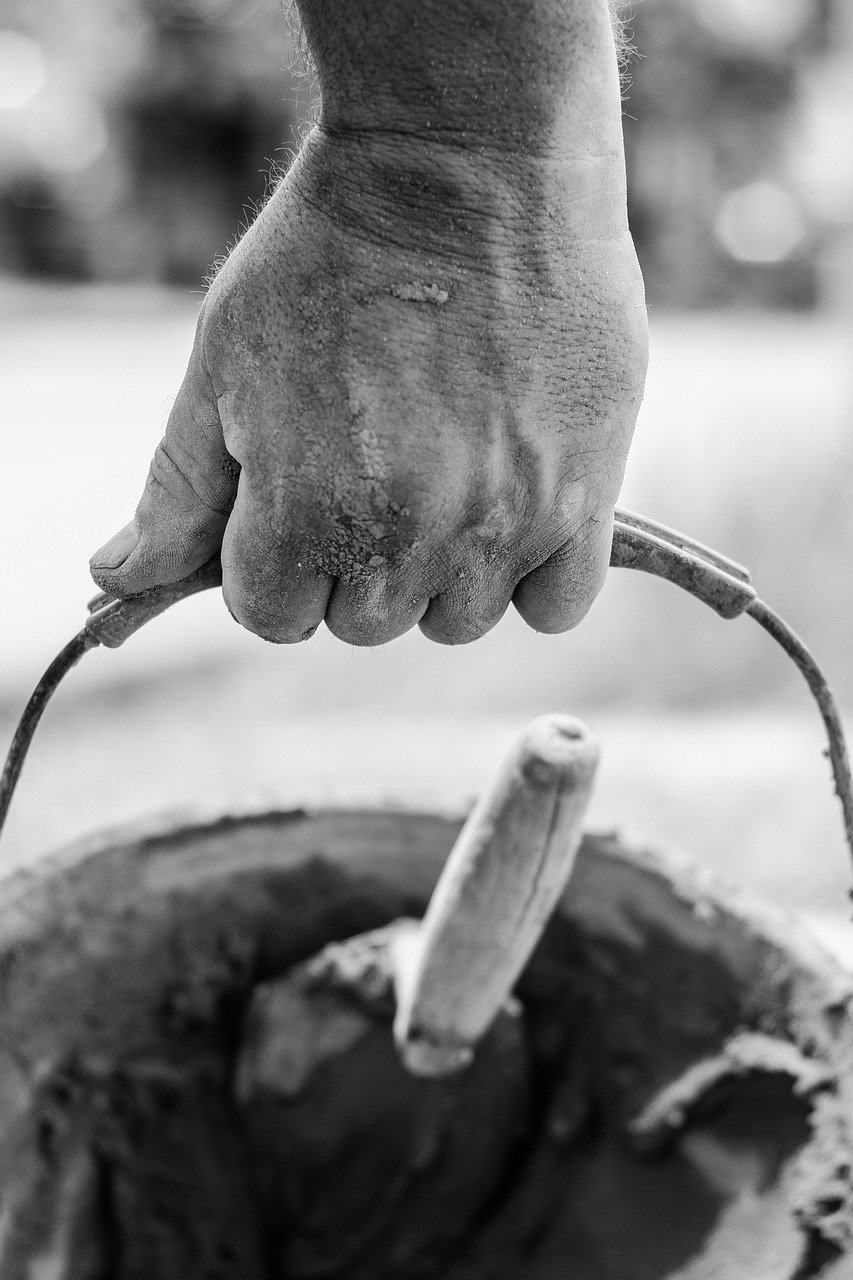
Overview: Oil & Gas employment landscape in Miri
Miri has been the heart of Sarawak’s Oil & Gas sector for decades, hosting upstream operations, service companies, and a cluster of contractors supporting offshore fields. The city ecosystem still revolves around exploration, production support, and marine services, creating a consistent demand for both skilled and entry-level workers.
The local labour market mixes long-tenured industry professionals and a steady intake of graduates from technical colleges and universities. For households in Miri, employment in the sector remains a significant contributor to income and local spending patterns, which in turn affects property and rental markets.
Key Sectors and Roles
Technical & Engineering Roles
Technical and engineering roles form the backbone of Miri’s O&G workforce. Common positions include mechanical engineers, electrical engineers, civil engineers, and instrumentation engineers/technicians.
These roles focus on design, maintenance, integrity, and troubleshooting of plant equipment and systems. Senior engineers often split time between office-based planning and site visits to yards, plants, or offshore platforms.
Offshore & Field Operations
Offshore technicians, rig crew, production operators, and marine crew keep wells and platforms operating. These positions can be rotational, with common patterns such as 14/14 or 21/21 days on/off for offshore roles.
Practical hands-on aptitude, physical fitness, and approved safety training are essential for field operations. Work is often shift-based and can include extended stays away from home, which influences total compensation.
Health, Safety & Environment (HSE)
HSE officers and coordinators are in steady demand as companies must comply with strict safety and environmental standards. Roles range from site-level safety supervisors to corporate HSE managers handling audits and compliance.
Experience with incident investigation, risk assessment, and certifications such as NEBOSH or industry-specific HSE courses increase employability and earning potential.
Support & Non-Technical Roles
Support functions include HR, finance, procurement, and logistics, which are crucial to operations. These roles are often based in-office or at onshore facilities supporting field operations.
Procurement and logistics roles that understand supplier networks, customs for marine equipment, and project timelines tend to be more valued in O&G settings.
Contractors & Service Companies
The O&G ecosystem in Miri includes fabrication yards, maintenance contractors, and marine service providers. These companies supply skilled trade workers, welding and fabrication teams, and vessel operations.
Contractors offer varied project work that can provide faster hiring cycles for specialized skills, but job duration and benefits vary more than permanent company roles.
Entry-Level & Graduate Pathways
Entry pathways include trainee engineer programs, apprenticeships, and internships with operators and contractors. Local institutions often collaborate with companies to place students into structured cadetships.
Early-career roles may start as junior technicians, graduate engineers, or field assistants, with progression tied to experience, competency demonstrations, and safety record.
Career Progression and Work Patterns
Career progression typically moves from technician/graduate to senior technical specialist, then to supervisory and managerial roles. Engineers often progress into project management or discipline lead positions.
Rotational offshore roles can accelerate earnings through shift premiums and travel allowances, while permanent onshore positions may offer steadier hours and benefits such as housing or medical coverage.
Contractor vs Permanent Positions
Permanent employment usually provides greater job security, benefits, and predictable career ladders. Employers often offer training budgets, pension schemes, and structured appraisal systems.
Contractor roles can pay higher daily rates and offer exposure to diverse projects, which helps build skills rapidly. The trade-off is variable job continuity and typically fewer long-term benefits.
Offshore vs Onshore Work
Offshore work pays premiums for the inconvenience of rotations and remote conditions, and it demands strong safety competencies and emergency response skills. Seafaring medical clearances and survival training are mandatory.
Onshore roles are more compatible with family life and local living but can still be physically demanding and tied to project schedules. Onshore positions may offer more stable daytime hours.
Skills & Certifications in Demand
Key technical skills include equipment maintenance, instrumentation calibration, corrosion control, and process flow knowledge. Soft skills such as communication, teamwork, and problem solving are equally important.
Certifications that differentiate candidates include BOSIET/FOET for offshore personnel, NEBOSH or Local HSE Certifications for safety roles, and industry-specific courses in welding, PLC, and SCADA systems.
Salary Expectations (Typical Ranges in Miri)
Salaries in Miri vary by role, experience, certification, and whether a role is offshore or onshore. Below is a practical guide to monthly ranges to help set expectations.
| Role | Key Skills / Certifications | Typical Salary (MYR/month) |
|---|---|---|
| Mechanical Engineer | Degree, equipment integrity, API standards | 6,000 – 15,000 |
| Instrument Technician | Calibration, PLC basics, I&E trade cert | 4,000 – 10,000 |
| Offshore Crew / Production Operator | BOSIET/FOET, physical fitness | 5,000 – 20,000 (rotation-based) |
| HSE Officer | NEBOSH, incident investigation | 5,000 – 12,000 |
| HR / Finance / Procurement | Degree or diploma, SAP knowledge | 3,500 – 10,000 |
| Fabrication / Maintenance Technician | Welding certs, mechanical fitters | 3,000 – 9,000 |
| Trainee / Graduate | Internships, cadetship participation | 1,800 – 4,500 |
Miri-Specific Local Context
The dominance of O&G work in Miri influences household incomes, with many households enjoying above-average earnings compared with other regional towns. Industry pay supports local consumption across retail, services, and property markets.
High-earning professionals and rotational workers create steady rental demand, particularly for family homes and serviced apartments near employment hubs. Popular residential areas for O&G employees include Senadin, Lutong, and Piasau, which balance commute time and local amenities.
Practical Checklist: O&G Career Pathways
- Choose a discipline: engineering, instrumentation, HSE, or support services.
- Secure foundational qualifications: diploma/degree or recognised trade certification.
- Complete mandatory safety courses (BOSIET/FOET for offshore roles).
- Seek internships, apprenticeships, or cadet programs in Miri to build local experience.
- Earn industry certifications (NEBOSH, welding tickets, PLC courses) to increase competitiveness.
- Decide contractor vs permanent pathway based on desired income stability and variety of projects.
Expert advice: Focus on a practical skillset first—safety competency, a trade certification, and basic instrumentation or mechanical skills will get you through the door. Once inside, pursue project experience and specific industry certifications to accelerate pay and promotion.
Is Oil & Gas still a good career in Miri?
Yes — though the sector is cyclical, Miri remains a regional hub with ongoing needs for asset maintenance, decommissioning work, and support services. Transitioning energy projects, including gas and carbon management work, are creating new technical roles alongside legacy oil-focused jobs.
Candidates who combine core O&G skills with adaptability—digital competency, corrosion mitigation, or environmental management—are best positioned for long-term opportunities.
Salary vs Living Costs
Higher O&G salaries in Miri can offset living costs for many families, especially when employers provide allowances or company housing. However, lifestyle inflation and housing demand can push rental rates higher in popular neighbourhoods.
Budget-conscious workers often choose suburbs like Senadin for more affordable housing, while senior staff may live in Piasau or Lutong due to proximity to facilities and services.
Entry Opportunities for Fresh Graduates
Fresh graduates should target structured graduate programs, apprenticeships, and short-term internships that many operators and service companies run locally. Networking via industry job fairs in Miri and building relationships with local contractors is effective.
Be prepared to accept a technician or assistant-level role initially, then use on-the-job training and safety certifications to progress. Soft skills and reliability are often decisive factors for early promotion.
Frequently Asked Questions
1. What qualifications do I need to start in Miri’s O&G sector?
Entry requirements vary by role; technicians often need trade certificates or diplomas, while engineering roles typically require a degree. Mandatory safety courses like BOSIET for offshore positions and company-specific inductions are also required.
2. Are offshore jobs financially better than onshore jobs in Miri?
Offshore roles generally pay more due to rotation pay, allowances, and hazard premiums. Onshore roles may offer steadier schedules and more comprehensive benefits, so individual priorities should guide the choice.
3. Can contractors earn as much as permanent employees?
Contractors may earn higher daily or monthly rates but usually lack long-term benefits. For those focused on short-term earnings and project variety, contracting can be lucrative; for stability and benefits, permanent employment is preferable.
4. How quickly can I progress from entry-level to senior roles?
Progression depends on competence, certifications, safety record, and project exposure. A motivated individual can move from junior to senior technician or engineer in 5–10 years with consistent performance and upskilling.
5. Where should I live in Miri if I work in O&G?
Popular areas for O&G workers include Senadin, Lutong, and Piasau due to commute convenience and rental supply. Choice depends on family needs, budget, and proximity to employer facilities.
This article is for informational purposes only and does not constitute career, legal, or financial advice.
🏠 Find Property in Miri
- Latest Property For Sale in Miri
- Latest Property For rent in Miri
- New Project Launches in Miri
- Latest Land For Sale in Miri
- Search properties by keys area in Miri
- Property Guides & Tips (Malaysia)
⚠️ Disclaimer
This article is provided for general property information and educational purposes only.
It does not constitute legal, financial, or official loan advice.
Information related to pricing, loan eligibility, and property status is subject to change
by property owners, developers, or relevant institutions.
Please consult a licensed real estate agent, bank, or property lawyer before making any
property purchase or rental decisions.
📈 Looking for Ways to Grow Your Savings?
After budgeting or planning your property expenses, explore smarter investing options like REITs and stocks for long-term growth.
📈 Start Trading Smarter with moomoo Malaysia →(Sponsored — Trade REITs & stocks with professional tools)