
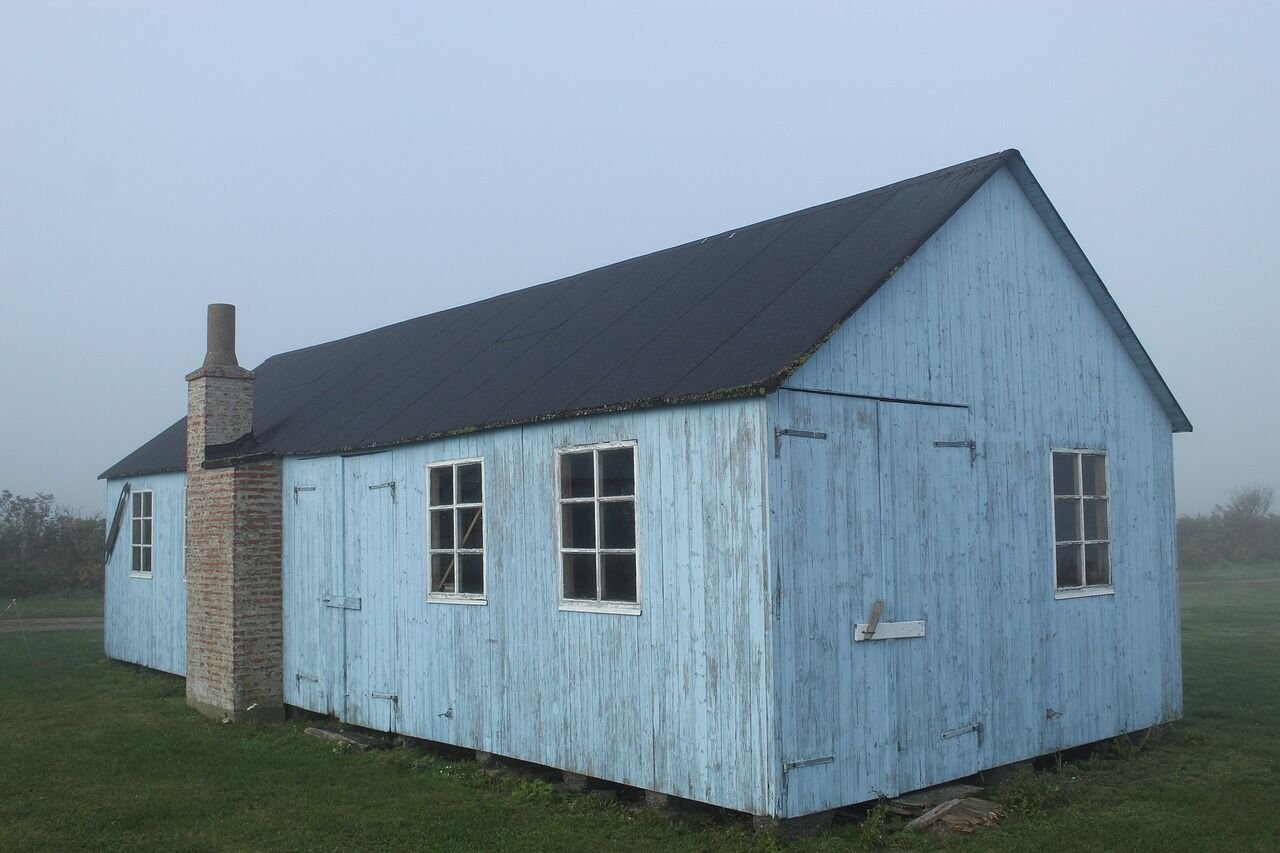
Managing rental properties in Miri and across Sarawak can be rewarding, but many landlords quickly discover that tenant problems, late payments, and daily coordination issues can consume more time and energy than expected. Whether your house is in Senadin near Curtin, a shoplot in Lutong, a terrace in Permyjaya, or an older home in Piasau, the challenges often feel very similar.
Understanding why these problems happen and how to handle them calmly and systematically is the key to protecting your rental income and your peace of mind. With a structured approach, you can reduce stress, avoid unnecessary conflicts, and decide when it makes sense to involve a professional property agent.
Why Tenant Problems Are So Common in Miri
Many Miri landlords feel frustrated and ask, “Why do I keep getting problematic tenants?” The reality is that local market conditions and informal practices play a big role in how tenancies turn out. Miri’s rental market is very mixed: students in Senadin, oil & gas staff in Piasau and Lutong, young families in Permyjaya, and short-term workers moving in and out of town.
Because of this mix, landlords often accept tenants quickly to avoid vacancy, sometimes with minimal screening and very simple agreements. This increases the risk of misunderstandings, unpaid rent, and disputes over utility bills or repairs. When there is no clear written understanding, emotions easily take over once problems appear.
Another common issue is that many landlords are busy with full-time jobs or live outside Miri, so follow-up on rent and property inspections are irregular. Inconsistent communication can make even reasonable tenants feel neglected, which then affects how they treat the property and how promptly they pay.
“In Miri’s rental market, consistent tenant management often matters more than simply finding a tenant.”
Common Rental Problems Faced by Landlords in Sarawak
Whether you own a small apartment or several houses across Miri, you are likely to face similar patterns of problems. Recognising them early helps you respond firmly but fairly, instead of waiting until the situation becomes very difficult to recover from.
| Issue | Typical Cause | Practical Response |
| Late or unpaid rent | Weak screening, unstable income, no clear penalty in agreement | Follow written reminder process, offer short grace period, consider repayment plan, enforce agreement |
| Damage and poor housekeeping | Overcrowding, no inspections, unclear expectations | Regular inspections, photo inventory, clear clauses on repairs and deposit use |
| Tenant refusing to move out | No fixed-term agreement, no notice clauses, personal disputes | Refer to written agreement, keep communication written, seek legal advice where needed |
| High utility bills left unpaid | Bills in landlord’s name, no checks during tenancy | Encourage accounts in tenant’s name, collect deposits, check bills regularly |
| Noise and neighbour complaints | Too many occupants, frequent visitors, lack of house rules | Set clear rules from start, remind in writing, consider non-renewal for repeat offenders |
Late or Unpaid Rent: Why It Happens and What to Do
Late payment is the number one stress point for many Miri landlords. You may feel awkward chasing tenants, especially if they give repeated excuses about salary delays, family issues, or overtime claims. However, if you do not act early, one week late can quickly become two or three months behind.
In areas like Senadin and Permyjaya, where many tenants are students, contract workers, or young families, income can be unstable. Sometimes the issue is not bad character but poor budgeting and lack of discipline. With no clear consequences in the agreement, they may assume delay is acceptable as long as they pay “eventually.”
- Include a specific due date (e.g., on or before the 3rd of every month) in your tenancy agreement.
- Mention a late payment clause, such as a small daily or weekly late fee, within reasonable limits.
- Send polite reminders by WhatsApp and in writing as soon as rent is overdue, not weeks later.
- If they miss more than one payment, request a simple written repayment plan with clear dates.
- For repeated delays, seriously consider not renewing the tenancy at the end of the term.
The key is to be consistent, not emotional. You are running a business, not doing a favour. When a property agent manages your unit, they usually have a standard reminder and follow-up system, which helps to maintain discipline while keeping communication professional.
Property Damage and Poor Housekeeping
From broken doors to stained walls and filthy kitchens, damage and cleanliness issues are another frequent complaint, especially in high-density areas like Senadin and Permyjaya where units may be shared by several people. Problems often start small and become serious only when nobody checks the property for months.
When there is no move-in inspection, no photo record, and no mid-tenancy checks, it becomes very difficult to prove the condition of the house before the tenant moved in. This leads to arguments over how much of the deposit you can rightfully keep for repairs.
To reduce these issues, always:
1. Document the condition of your unit before handover using photos and a simple checklist signed by the tenant.
2. State clearly in the agreement who is responsible for minor repairs and cleanliness (e.g., light bulbs, blocked sinks, minor wall stains).
3. Arrange scheduled inspections every 6–12 months, with proper prior notice, especially in areas like Piasau and Lutong where many staff houses are shared.
A property agent can help by doing these inspections on your behalf, sharing photo updates, and speaking with the tenants early when they notice overcrowding, unauthorised subletting, or signs of misuse.
Tenants Who Refuse to Move Out
Another stressful scenario is when a tenant does not move out after you request them to leave, either at the end of the term or after serious breaches. In Miri, this often happens when the agreement is not clearly drafted or the landlord has allowed the tenant to “just continue staying” without renewal.
Without a clear fixed term and proper notice clauses, both landlord and tenant rely on verbal promises and assumptions. When the relationship breaks down, the tenant may feel they are being treated unfairly and refuse to cooperate, leading to long delays and tension with neighbours.
To avoid this:
1. Use a proper written tenancy agreement with a defined start and end date (e.g., 12 or 24 months).
2. Include notice periods for both parties (commonly 1–2 months) and specify what happens if notice is not given.
3. Never rely only on verbal notice; always follow up with written messages and letters that can be referred to later.
When serious disputes arise, you may need to speak to a legal professional for guidance on your options under Sarawak law. A property agent cannot replace legal advice, but can help keep all records, notices, and communication organised to support any further action.
Handling Utility Bills, Neighbour Complaints, and Other “Small” Issues
Some of the most common daily headaches are not major legal disputes, but small recurring issues like unpaid utilities, noisy tenants, more occupants than agreed, or frequent complaints from neighbours in your housing area.
In older areas like Piasau and parts of Lutong, houses may be used as staff quarters with many people sharing. In newer areas like Permyjaya and Senadin, it is common to see units with extra occupants beyond what the landlord expected. More people often means more wear and tear, higher water and electricity usage, and more risk of conflict.
Managing this starts with clear expectations:
1. Clearly state in the agreement the maximum number of occupants allowed.
2. Decide whether utilities will be in the tenant’s name or yours, and ensure enough utility deposit is collected to cover unpaid bills.
3. For strata properties (apartments/condos), remind tenants about building rules, quiet hours, parking, and rubbish disposal.
A responsible property agent will often be the “middle person” handling complaints from neighbours or the management office, so you do not have to constantly be the one to answer calls and messages.
Prevention vs Reaction: Building a Simple System
The most successful landlords in Miri are not those with the most expensive properties, but those who have a simple and consistent system for managing tenants. Rather than waiting for problems to explode, they prevent many of them with structure and documentation.
A basic landlord system can include:
1. Screening process – Ask for payslips or employment letter, past landlord references where possible, and check their rental history politely.
2. Standard tenancy agreement – Use a clear, updated template with important clauses, and avoid overly casual handwritten terms.
3. Move-in checklist – Document keys, furniture, appliances, and condition with photos signed by both parties.
4. Payment record – Track all payments, deposits, and outstanding amounts in a simple spreadsheet or notebook.
5. Inspection schedule – Decide how often you will inspect and block out those dates in your calendar.
This structure reduces arguments because expectations are written, not assumed. For landlords who are overseas, working offshore, or simply very busy, a local property agent in Miri can run this system on your behalf and keep you updated.
How a Property Agent Can Help (Without Taking Over Your Property)
Some landlords hesitate to engage an agent because they worry about cost or losing control. In practice, a good agent’s role is to protect your interests and reduce your workload, not to make decisions without you.
In Miri and Sarawak, property agents typically assist with:
1. Marketing your unit – Reaching more potential tenants quickly, reducing vacancy in areas with high competition like Senadin and Permyjaya.
2. Screening and viewings – Meeting tenants, asking the right questions, verifying their background and suitability.
3. Agreement and documentation – Preparing tenancy agreements, collecting deposits and first month’s rent, handling handover forms.
4. Ongoing management (if engaged) – Rent reminders, inspections, arranging minor repairs, and handling complaints.
While there is a fee involved, many landlords find that reduced vacancy, fewer bad debts, and less stress more than compensate for the cost. This is especially true if you own more than one unit or live outside Miri and cannot attend to issues personally.
Frequently Asked Questions (FAQs)
1. What should I do if my tenant doesn’t pay rent?
First, check your tenancy agreement for the due date, grace period, and late payment clauses. Contact your tenant promptly in a calm and professional way, and ask for a clear date when payment will be made. Follow up with written reminders, not just phone calls.
If they fall more than one month behind, consider offering a short repayment plan, but be firm about deadlines. If they continue not paying and refuse to cooperate, you may need to stop renewing the tenancy and, if necessary, seek legal advice on your options. An experienced property agent can help you manage the communication and documentation throughout this process.
2. How can I find better tenants in Miri?
Better tenants usually come from better screening and clearer expectations. Do not simply accept the first person who can pay the deposit. Ask for basic documents like payslips or employment letters, and if possible, speak to their previous landlord.
Be transparent about your house rules, payment expectations, and inspection schedule from the beginning. In areas with strong demand, such as near Curtin University in Senadin or industrial areas near Lutong, using a property agent can help you access a wider pool of tenants and filter out high-risk applicants.
3. What are the basic legal points I should know about rental agreements in Sarawak?
A tenancy agreement is a private contract between you and the tenant that sets out the terms of the rental: duration, rent amount, due date, deposit, responsibilities for repairs, and termination conditions. While there are common practices, each agreement can be customised to suit your property and situation.
It is important to have the agreement in writing, signed by both parties, and to ensure all pages are initialled. For more complex situations (e.g., long leases, commercial units), you should speak to a legal professional. A property agent can help draft standard residential tenancy agreements and guide you on typical market clauses, but cannot replace qualified legal advice.
4. Is it worth paying a property agent to manage my rental?
It depends on your situation. If you live in Miri, have only one property, and enjoy handling things yourself, you may prefer to self-manage. However, if you are busy, live outside Sarawak, or own multiple units in areas like Piasau, Permyjaya, or Senadin, a property agent can save you significant time and stress.
The agent’s fee is usually a small percentage compared to the cost of long vacancy, unpaid rent, or serious property damage. By screening tenants more carefully, managing reminders, and doing inspections, an agent helps protect both your rental income and your property condition over the long term.
5. How much deposit should I collect, and what can it be used for?
Common practice in Miri is to collect one month’s rental as security deposit and half to one month as utility deposit, depending on the type of property and rent amount. This should be clearly stated in the tenancy agreement together with the conditions for refund.
The security deposit is typically used to cover unpaid rent or damage beyond normal wear and tear, while the utility deposit covers outstanding water and electricity bills. Always keep records of bills and repair costs, and provide breakdowns to the tenant when refunding any balance after they move out.
Bringing It All Together for Less Stressful Landlording
Being a landlord in Miri, whether your property is in Senadin, Lutong, Permyjaya, Piasau or other parts of Sarawak, does not have to be a constant source of stress. With clearer agreements, better screening, regular inspections, and structured follow-up on payments, most problems can be managed before they become crises.
If managing tenants is becoming stressful or time-consuming, working with a local property agent can help simplify the process and improve your rental experience. You can stay in control of major decisions while letting an experienced third party handle the day-to-day communication, documentation, and follow-up that most landlords find tiring.
This article is for educational and market understanding purposes only and does not constitute financial, property, or investment advice.
📈 Want Steadier Income Without Buying Property?
👉 Explore REIT Investing with a Smarter Trading App
Perfect for investors focused on steady income & long-term growth.
Join moomoo Malaysia here ➤
https://j.moomoo.com/0xwSKj
🏠 Find Property in Miri
- Latest Property For Sale in Miri
- Latest Property For rent in Miri
- New Project Launches in Miri
- Latest Land For Sale in Miri
- Search properties by keys area in Miri
- Property Agent in Miri
- Property Guides & Tips (Malaysia)
⚠️ Disclaimer
This article is provided for general property information and educational purposes only.
It does not constitute legal, financial, or official loan advice.
Information related to pricing, loan eligibility, and property status is subject to change
by property owners, developers, or relevant institutions.
Please consult a licensed real estate agent, bank, or property lawyer before making any
property purchase or rental decisions.
📈 Looking for Ways to Grow Your Savings?
After budgeting or planning your property expenses, explore smarter investing options like REITs and stocks for long-term growth.
📈 Start Trading Smarter with moomoo Malaysia →(Sponsored — Trade REITs & stocks with professional tools)
