Why Comparing Investments Locally Matters in Miri
Investment advice you see online or in the news is often based on larger, more developed cities with very different income levels, job markets, and property prices. When Miri residents copy those strategies directly, the results can be disappointing or even risky. Local realities such as salary ranges, job security, and housing demand shape how each investment actually behaves in your life.
Miri’s economy is closely linked to oil and gas, supporting industries, government service, retail, and small business. Income can be cyclical, especially for contract workers and small entrepreneurs, and this affects how much risk and commitment a household can really take. Property appreciation also tends to be slower and more uneven, with certain areas moving while others stay flat for long periods.
Because of these patterns, the word “return” is not the same for every household. For some, a “good return” means steady income to cover monthly bills; for others, it means long-term growth for retirement or children’s education. Some families value flexibility more than maximum profit, especially if they anticipate job changes, migration, or education overseas.
Comparing property with EPF, fixed deposits, stocks, REITs, and gold only makes sense when anchored in Miri’s cost of housing, typical salaries, and realistic rental demand. The goal is not to pick a single winner, but to understand how each option fits into your personal picture.
Understanding Property as an Investment in Miri
Property investment in Miri usually means buying a house, apartment, or shophouse with the expectation of rental income and long-term value growth. Rental income is what tenants pay you each month, ideally covering your loan instalment, assessment, quit rent, insurance, and basic upkeep. Capital appreciation is the potential increase in property value over many years.
However, property ownership also comes with ongoing holding costs. These include loan interest, repairs, repainting, service charges for apartments, and sometimes periods of vacancy when you receive no rent. In Miri, where rentals can be sensitive to changes in oil and gas employment, you must plan for months without tenants, especially in less central or older areas.
Property is not liquid; you cannot easily convert a house in Permyjaya or Boulevard area into RM cash overnight. Selling takes time for viewings, negotiation, and bank approval, which may stretch over months. This illiquidity is a trade-off for the potential of using leverage (bank loans) and obtaining a physical asset that can also be used by your family one day.
Rental demand in Miri is largely employment-driven. Professionals in oil and gas, teachers, civil servants, and workers at industrial zones create demand in specific pockets and price ranges. Sustainable property investment here usually means matching your unit to real tenant needs, rather than hoping for quick price jumps based on speculation.
Property vs Fixed-Income Options
Comparing with Fixed Deposits and Conservative Accounts
Fixed deposits and similar products at local banks provide interest income with low volatility. You typically know your interest rate in advance, and your money is relatively easy to access after the deposit term ends. For Miri residents with irregular income, this stability can be psychologically comforting, even if the returns are modest.
Property, by contrast, can have months of negative cash flow when repairs arise or tenants move out. The potential long-term gain is balanced by higher uncertainty in the short term. While a fixed deposit may pay you a few hundred ringgit per year on RM50,000, a property might swing from positive to negative cash flow depending on market conditions and your management.
Property vs EPF for Miri Households
EPF is compulsory for many salaried workers and serves as the core retirement fund for a large portion of Miri’s working population. It provides a relatively stable, diversified pool of investments managed by professionals, with limited involvement required from you. For many families, EPF is the only long-term savings they consistently maintain.
Property requires active decision-making about location, tenant selection, and maintenance, and it is not automatically diversified. One property is one concentrated bet. For a teacher, nurse, or government officer in Miri, the practical question is not “property or EPF,” but how much to allocate beyond EPF into something less liquid like real estate.
Dividend-Style Income vs Rental Income
Some Miri investors like dividend-paying instruments (such as certain unit trusts, bond funds, or income-focused products) because they offer payouts periodically with relatively low effort. Rental income is similar in concept but requires more work and risk. You must manage tenants, repairs, and possible late payments.
For those with steady employment and limited time—such as shift workers in industrial sectors or healthcare—fixed-income options may match their capacity better. Business owners who are used to managing assets and dealing with people may be more comfortable taking on the hands-on nature of rental properties.
Property vs Financial Market Investments
Property vs Stocks and Unit Trusts
Stocks and equity-based unit trusts can offer growth potential but come with visible price volatility. For Miri investors, this volatility can feel uncomfortable, especially when income is already uncertain due to contract work or business cycles. Watching values move daily on an app can trigger emotional decisions.
Property prices move more slowly and are not quoted every second, which can make them feel more stable, even though underlying risks still exist. However, buying and selling property in Miri is slower and costlier, with legal fees, agent fees, and time taken to find a buyer. Stocks and unit trusts, by comparison, allow smaller entry amounts and easier rebalancing.
Unit trusts sold through local banks or agents in Miri allow investors to outsource stock selection to fund managers. Property does not provide this same level of delegation; you still need to be involved in decisions about which area, what type of property, and how to maintain it.
Property vs REITs
Real Estate Investment Trusts (REITs) are often described as “property-like” investments listed on the stock market. They pool investors’ money to buy and manage income-generating properties such as malls, offices, and industrial assets. For Miri residents, REITs can be a way to get exposure to property income with much lower capital and without dealing with tenants directly.
The trade-off is that REIT prices fluctuate like stocks, and distributions can vary with business conditions. Unlike owning a house in Miri, you do not control the asset or make decisions on renovation or tenant mix. However, you also avoid local concentration risk—if Miri’s property market slows, REIT portfolios might still be supported by properties in other regions.
Behaviourally, some Miri investors find it easier to stay disciplined with automatic deductions into unit trusts or REITs than to manage a property. Others prefer the tangible presence of a house they can see, touch, and potentially live in one day.
Property vs Alternative and Store-of-Value Assets
Property vs Gold
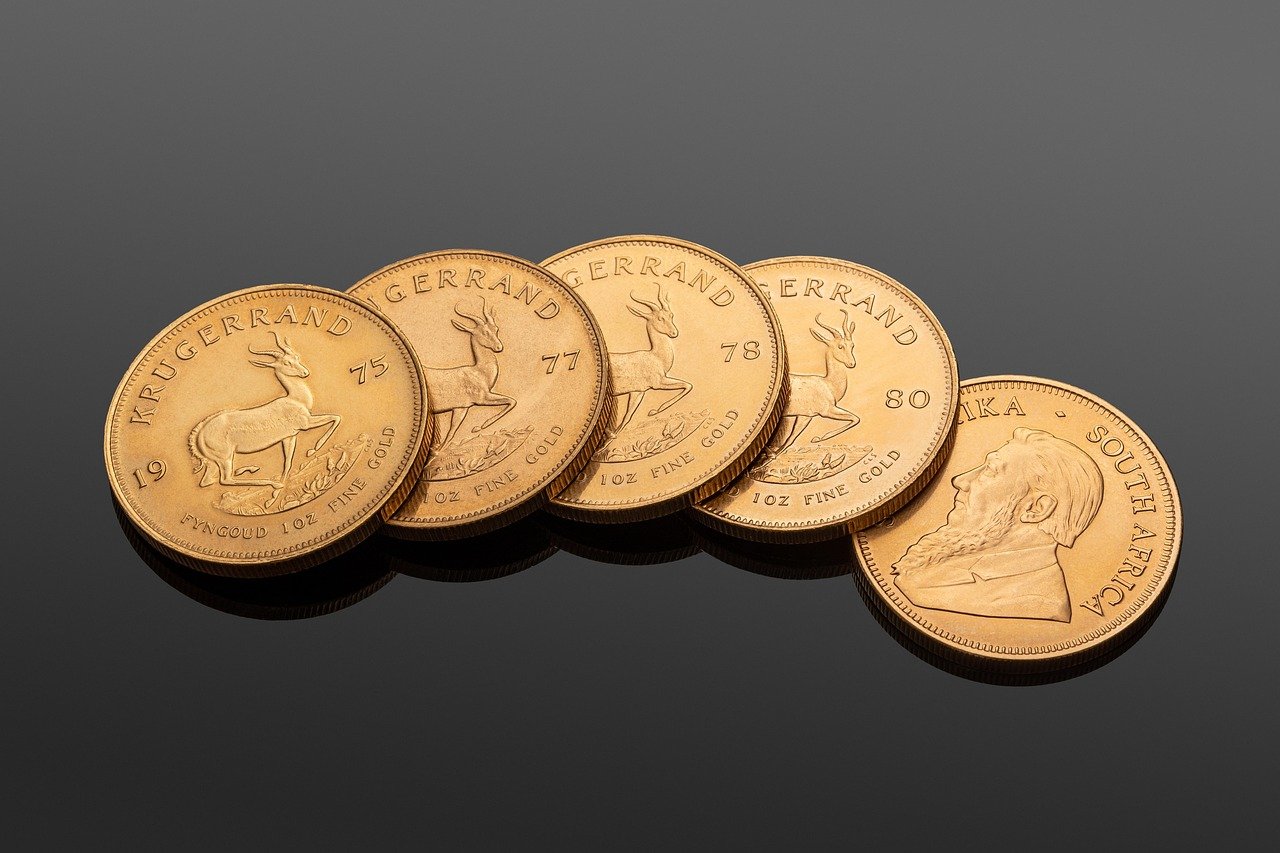
Gold is popular in Sarawak as a store of value, often in the form of jewellery or small bars. It does not produce income but can help preserve purchasing power over long periods. Many families in Miri treat gold as an emergency asset that can be pawned or sold quickly when cash is needed.
Property, on the other hand, can be both a store of value and a productive asset if it generates rental income. However, it is far less liquid and harder to sell in small pieces. Gold can be sold in grams; a semi-detached house cannot. For households needing frequent flexibility, gold may feel more accessible.
Land Banking and Idle Land
Some Sarawak investors like to buy land on the outskirts of Miri, hoping for future development and price jumps. This “land banking” approach is highly speculative and often entails long periods with no income and uncertain appreciation. There may also be issues such as access, zoning, and title complexity.
Compared with a completed house or apartment with real rental demand, vacant land is a pure store of potential, not current productivity. If your cash flow is tight, locking money into raw land far from town may strain your ability to handle daily expenses or emergencies.
Digital Assets and New Alternatives
Digital assets such as cryptocurrencies attract attention in Miri, particularly among younger workers in service sectors and students. These assets can be extremely volatile and are not tied to local economic fundamentals. While they may offer high upside, they can also cause significant losses within short timeframes.
Property, fixed income, EPF, and even gold are grounded in more transparent frameworks and established regulation. For a household planning children’s education or retirement, digital assets, if used at all, are usually better treated as a small, speculative component rather than the core strategy.
Risk, Liquidity, and Cash Flow Trade-Offs
Every investment involves trade-offs between risk, liquidity, and cash flow timing. In Miri, where income can rise and fall with project cycles or business seasons, these trade-offs need to be understood in ringgit terms, not just percentages. Thinking in simple RM examples can help clarify what is realistic for your situation.
Imagine you have RM80,000 in savings. Putting RM70,000 into a property down payment and legal fees leaves you with only RM10,000 as a buffer. If your tenant moves out for six months and your loan instalment is RM1,500 per month, you will need RM9,000 just to cover the loan, not counting repairs. Suddenly, your entire buffer is used up.
In contrast, placing that RM80,000 into a mix of fixed deposits, unit trusts, or REITs gives you more room to withdraw or adjust. But you may miss the leverage effect of a property loan that controls a larger asset. These are the types of trade-offs each Miri investor must weigh according to job stability and family responsibilities.
| Investment type | Risk level | Liquidity | Income style | Suitability in Miri |
|---|---|---|---|---|
| Residential property | Medium to high (concentration, vacancy) | Low (months to sell) | Rental income, potential long-term growth | For households with stable income and emergency savings |
| EPF | Low to medium (policy and market exposure) | Very low (limited withdrawal flexibility) | Reinvested returns, retirement-focused | Core long-term base for salaried workers |
| Fixed deposits | Low | Medium to high (depending on tenure) | Fixed interest, predictable | For emergency funds and conservative savings |
| Stocks / unit trusts | Medium to high (market volatility) | High (can sell relatively quickly) | Dividends and/or capital growth | For investors with time horizon and tolerance for price swings |
| REITs | Medium (property plus market risk) | High (stock market traded) | Regular distributions, property-backed | For those wanting property exposure with smaller capital |
| Gold | Medium (price cycles, no income) | Medium to high (depends on form) | No income, store of value | Supplementary asset for preservation and emergencies |
Matching Investment Choices to Income and Life Stage
Salaried Workers
Salaried employees in Miri, such as teachers, nurses, engineers, and office staff, often rely on EPF as a retirement foundation. For them, the main question is how much additional risk and illiquidity they can take on. A single well-chosen property can complement EPF, but overstretching with multiple mortgages can strain monthly cash flow.
Fixed deposits and unit trusts can play a role in building an emergency fund and medium-term savings. If your job is relatively secure, you may gradually allocate part of your surplus into growth-oriented investments, including property or equity funds, while keeping at least six months of expenses in accessible forms.
Business Owners and Self-Employed
Entrepreneurs, small shop owners, and freelancers in Miri often experience fluctuating income. For them, liquidity and flexibility are critically important, especially during slower business periods. Locking too much capital into property may result in “asset rich, cash poor” situations.
At the same time, some business owners use property strategically—for example, buying their own shop lot or small office—to stabilise long-term costs. A balanced approach might include a mix of business reinvestment, liquid reserves, and one or two carefully chosen properties rather than many leveraged units.
Families and Parents
Families with children in Miri face competing goals: housing stability, education planning, and retirement. Owning an own-stay home can provide psychological comfort and protect against rental increases. Investment property, if considered, should not compromise education savings or emergency funds.
EPF, insurance-linked savings, and diversified unit trusts might handle long-term growth, while a moderate-sized home loan is kept at a level that one partner’s income can realistically cover. This can provide resilience if one spouse faces job changes or health issues.
First-Time Buyers
First-time buyers in Miri sometimes feel pressure to “invest” as early as possible, even if it means locking up almost all savings. A more sustainable path is often to separate the decision of buying an own-stay home from the idea of immediate property investment. Owning your first home is partly a lifestyle choice, not purely financial.
Before even considering a second property, it is usually wise to build up a solid emergency fund, reduce high-interest debts, and gain experience managing monthly commitments. Property will still be there in a few years; your financial foundation matters more than rushing into the market.
Common Investment Mistakes Seen in Miri
One frequent mistake is overstretching to buy property at the edge of affordability, assuming rent will always cover the instalment. When a tenant leaves or rental rates soften, owners must top up from salary or business income, increasing stress. This is especially risky when there is no cash buffer for repairs or temporary vacancies.
Another mistake is chasing high returns in stocks, unit trusts, or digital assets without planning for liquidity. Investors may tie up funds in volatile assets and then be forced to sell at a bad time when school fees, medical costs, or business needs arise. Liquidity planning is as important as return estimation.
Some Miri investors also copy strategies from bigger, faster-moving markets, believing that multiple leveraged properties will quickly build wealth. Local demand, slower appreciation, and more modest rental yields mean that strategies must be adapted. What works in other regions may lead to long periods of flat returns or heavy cash flow pressure here.
In Miri, a sustainable investment plan usually grows from your actual cash flow and job stability, not from assumptions about fast price increases or guaranteed rents.
Practical Takeaways for Miri-Based Investors
Choosing investments in Miri is less about finding the “best” asset and more about aligning with your income stability, responsibilities, and risk tolerance. Property, EPF, fixed deposits, stocks, REITs, and gold each serve different roles in a balanced plan. Understanding these roles helps you avoid extremes and unnecessary stress.
- Your core safety net is usually a mix of EPF, emergency savings in fixed deposits or high-liquidity accounts, and adequate insurance.
- Property can make sense when you have stable employment, at least six months of expenses in cash, and a clear understanding of tenant demand in your chosen area.
- Financial market investments (stocks, unit trusts, REITs) are useful for gradual long-term growth with lower entry amounts and easier adjustments.
- Gold and other alternatives can act as supplementary stores of value, not replacements for income-producing or retirement-focused assets.
- Avoid going “all-in” on any single asset type; diversification provides resilience when the local economy or your personal situation changes.
When considering your next move, ask yourself whether the investment improves your overall flexibility, or locks you into commitments you may struggle to maintain in a downturn. A calm, step-by-step approach is usually more effective than reacting to headlines or tips.
FAQs for Miri-Based Investors
1. Should I focus on property or just rely on EPF for retirement?
For most salaried workers in Miri, EPF should remain the main retirement foundation because it is automatic and diversified. Property can complement EPF if purchased within your means and with clear rental or own-stay plans. The goal is not to choose one over the other, but to avoid overcommitting to property at the expense of regular retirement savings.
2. What rental income should I realistically expect in Miri?
Rental income in Miri depends heavily on location, property type, and tenant profile. In many cases, gross rent may cover most of the loan instalment but not all costs once you include maintenance, insurance, and occasional vacancies. It is safer to budget for some top-up from your own pocket and treat any surplus as a bonus, not a guarantee.
3. Is property too illiquid compared to other investments?
Property is significantly less liquid than fixed deposits, unit trusts, or shares because selling takes time and involves larger transaction costs. This can be a problem if you expect to need cash quickly for business, medical, or family reasons. If your life situation is uncertain, it may be wiser to keep a larger share of your wealth in more flexible instruments.
4. I am a first-time buyer in Miri. Should my first property be an investment or own-stay?
For many first-time buyers, an own-stay home that fits their budget and lifestyle is a practical starting point. It provides stability and removes the worry of rising rents, while still potentially appreciating over time. Buying a pure investment property first can work, but only if your emergency savings and income are strong enough to absorb rental gaps and unexpected expenses.
5. How do I know if I am ready to buy an investment property in Miri?
Signs that you may be ready include having at least six to twelve months of living expenses in liquid savings, manageable existing debts, and a stable income history. You should also understand typical rents and vacancy patterns in your chosen area, and be comfortable with the idea that the property may require occasional cash support. If any of these are missing, it may be better to strengthen your financial base first.
This article is for educational and comparative understanding purposes only and does not constitute financial, investment, or professional advice.
🏠 Find Property in Miri
- Miri House for Sale
- Miri House for Rent
- Miri Shop for Rent
- Miri Shop for Sale
- New House for Sale in Miri
- Office Space for Sale in Miri
- Miri Land for Sale
- Miri Apartment for Rent
⚠️ Disclaimer
This article is provided for general property information and educational purposes only.
It does not constitute legal, financial, or official loan advice.
Information related to pricing, loan eligibility, and property status is subject to change
by property owners, developers, or relevant institutions.
Please consult a licensed real estate agent, bank, or property lawyer before making any
property purchase or rental decisions.
📈 Looking for Ways to Grow Your Savings?
After budgeting or planning your property expenses, explore smarter investing options like REITs and stocks for long-term growth.
📈 Start Trading Smarter with moomoo Malaysia →(Sponsored — Trade REITs & stocks with professional tools)

Danny H is a real estate negotiator in Miri, specializing in residential and commercial properties. He provides trusted guidance, updated listings, and professional support through MiriProperty.com.my to help clients make confident property decisions.