

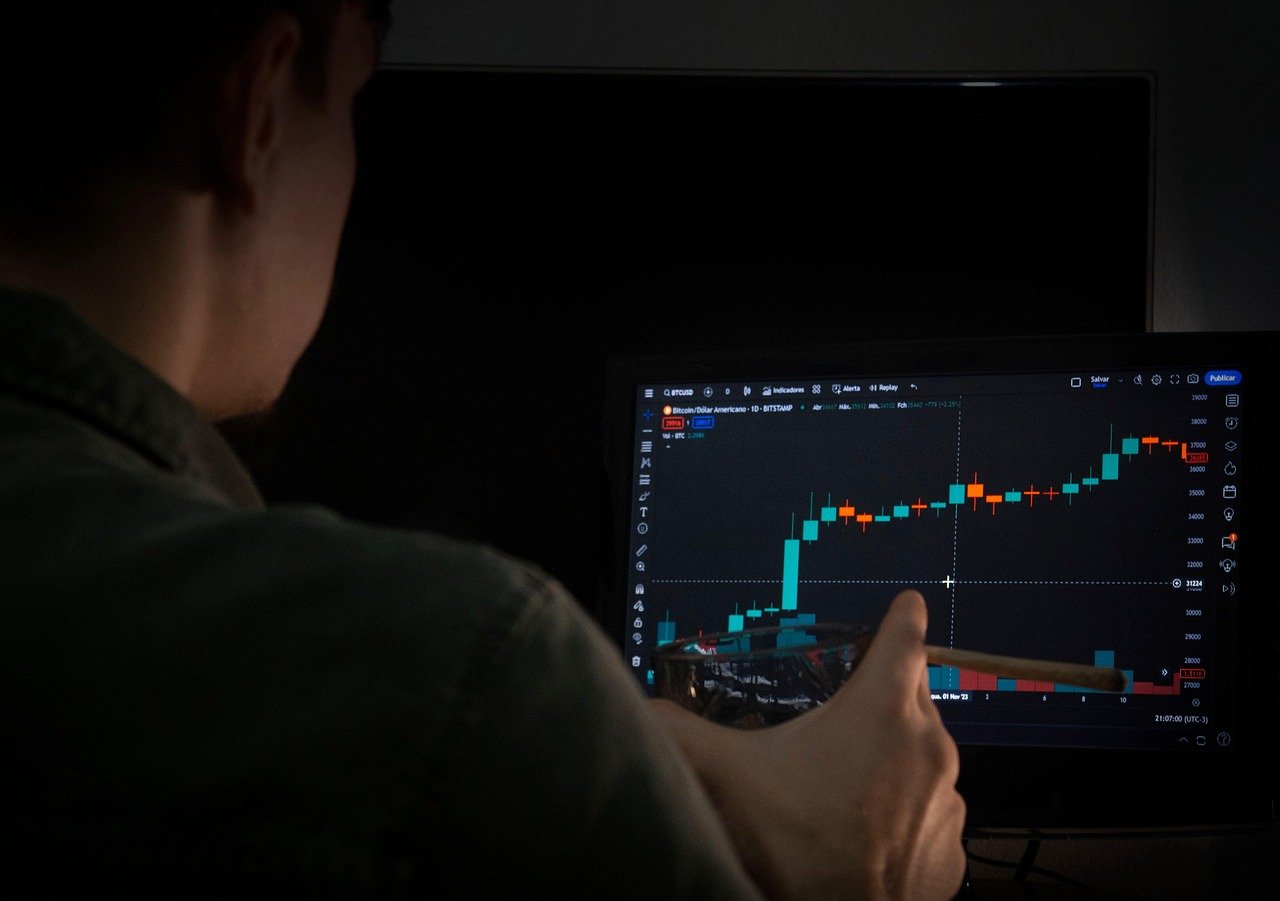
Understanding Investment Vehicles in a Sarawak Context
For investors in Miri and across Sarawak, investment decisions rarely start with “which property to buy”. They start with cash flow, job stability, and how much uncertainty you can tolerate without losing sleep. Only after this should you decide which vehicle—property, unit trust, ASNB, business, gold, or others—fits your situation.
In a regional city like Miri, with a mix of oil and gas professionals, civil servants, small business owners, and gig workers, investment vehicles must be judged by three questions: how liquid they are, how volatile they feel, and how demanding they are in terms of time and management. These questions apply equally to a terrace house in Permyjaya and a mutual fund bought through an app.
Instead of starting from asset types, think in terms of roles: some investments grow wealth, some protect purchasing power, some provide income, and some keep money accessible for emergencies. An informed Miri or Sarawak investor should match these roles to their real-life cash flow and risk tolerance before deciding whether property even makes sense at this stage.
Economic and Income Realities in Miri and Sarawak
Miri’s economy is heavily influenced by oil and gas, but that is only part of the picture. There is also public sector employment, small retail and F&B businesses, construction, logistics, and cross-border trade with Brunei. Income streams differ widely: a contract-based offshore worker may see big but irregular pay, while a school teacher or hospital staff member earns steady but moderate income.
In many Sarawak towns, wages are relatively modest while big-ticket costs like vehicles, housing, and education can still be high. This means investors often feel “cash tight”, especially if supporting parents or extended family. For these households, locking up too much into illiquid assets can cause serious stress later when emergencies arise.
Another local reality is migration and mobility. Many young adults in Miri may work offshore or in distant townships, with the possibility of future relocation. Older investors may be thinking about retirement back in hometowns like Limbang, Bintulu, or rural areas. These movements influence how flexible your investments need to be and how careful you should be about tying everything into one city or one asset type.
Property as an Investment Vehicle in Miri
Property is familiar and tangible in Sarawak, but it is also slow-moving and capital-heavy. In Miri, the main housing types include single and double-storey terrace houses in areas like Permyjaya and Desa Pujut, semi-detached homes in suburbs like Luak Bay, apartments and condos near the city centre, as well as kampung houses on native land. Each behaves differently as an investment, with different liquidity and tenant demand.
From an investment-vehicle perspective, residential property in Miri typically functions as a medium to long-term store of value and potential income generator through rent. It is rarely a suitable vehicle for emergency funds due to transaction time and selling costs. Mortgage commitments are also long-term, which increases pressure during job loss, health issues, or business downturns.
For many locals, the entry cost is a major barrier. Even a modest terrace house can require a high down payment once you factor in legal fees, stamp duty, and renovation. This means that, for some income levels and life stages, committing to property too early can delay other important priorities like building an emergency fund or paying down high-interest debts.
Non-Property Investment Vehicles Available to Locals
Before committing to a mortgage, Miri and Sarawak investors should know what else is realistically available. Several non-property vehicles are accessible without moving to a larger financial centre, and many can be started with relatively low capital and minimal paperwork.
Fixed Deposits and High-Liquidity Savings
Banks operating in Miri branches—often clustered around the city centre and commercial areas—offer fixed deposits (FD) and savings accounts with different tenures. FD is simple and stable, but the trade-off is that your money is locked for a set period unless you accept penalties for early withdrawal.
For investors in more volatile industries, such as project-based oil and gas or seasonal businesses, keeping 3–6 months of expenses in very liquid savings or short-tenure FD is often more practical than rushing into property. This cushion is not meant to make you rich; its role is to keep you from being forced to sell assets at the wrong time.
ASNB Funds and Unit Trusts
Many Sarawak investors already have exposure to Amanah Saham funds through local bank agents. These funds offer an accessible way to participate in diversified portfolios with relatively low minimums. Similarly, privately managed unit trusts can be accessed through local financial consultants or online platforms.
The key decision factor here is not “which fund is best” but “how comfortable am I with value that can move up and down every day?” For a teacher in Miri with stable income, a regular monthly contribution into ASNB or diversified funds may be a more balanced approach than stretching for a second property loan.
EPF and Voluntary Contributions
For salaried workers in Miri—whether in hospitals, schools, or local companies—EPF is a foundational vehicle. While not “exciting”, its design and long-term focus make it a core retirement tool. Some self-employed Sarawakians, such as small shop owners or freelance technicians, underuse voluntary EPF contributions, even though this may be a relatively low-effort way to build future security.
From a vehicle standpoint, EPF is a long-term, illiquid investment primarily for retirement. It should not be treated as a short-term parking space; therefore, property purchases dependent on early EPF withdrawals need to be weighed against the impact on future retirement income.
Alternative and Store-of-Value Investments
Beyond mainstream financial products, Sarawak investors often use other vehicles that function more as stores of value than growth engines. These are common in communities where trust in physical assets remains strong and where access to sophisticated tools is limited.
Gold and Precious Metals
Jewellery shops and gold dealers in Miri’s commercial areas provide an accessible channel for buying physical gold. Some locals also use digital gold products offered by banks or fintech providers. Gold is typically seen as a hedge against uncertainty rather than a high-return investment.
The main risks come from over-allocating to gold at the expense of income-generating assets, and from not understanding buy-sell spreads and storage risks. For someone running a small business in Miri, gold may be more suitable as a partial reserve than as the main investment vehicle.
Small Businesses and Side Ventures
Another store-of-value and growth vehicle in Sarawak is participation in small businesses: food stalls at local hawker centres, logistics services supporting rural areas, or car workshops along major roads. These ventures can deliver returns in the form of profit, but they also carry operational risk and demand active involvement.
Comparing a single-storey terrace in Senadin to a food stall in Lutong is not straightforward because one is a mostly passive asset and the other is an active business. However, investors must consider that time, energy, and operational stress are “costs” just like interest and legal fees in property.
Native and Rural Land Holdings
In Sarawak, some families hold native customary rights (NCR) land or rural plots used for agriculture or kept for future appreciation. While these assets may hold deep emotional and cultural value, they are often illiquid and may come with title and boundary complexities.
For investment planning, such land should be recognised as part of the overall asset base but not heavily relied on for near-term cash flow unless there is a clear plan, such as planting cash crops or formalising titles.
How Income Level and Life Stage Affect Investment Choice
Instead of starting with “Should I buy a house in Miri?”, the decision process should begin with “Where am I in my income journey, and what level of instability can I tolerate?” A property-heavy strategy can make sense for one household and be risky for another, even at similar income levels.
Early Career and Irregular Income
Younger workers in offshore jobs, gig work, or small trades may see large but unpredictable incomes. For them, building liquidity and flexibility is more important than owning a highly leveraged property. A portfolio tilted towards savings, ASNB or unit trusts, and perhaps small business ventures may better match their situation.
Locking themselves into a high monthly mortgage for a house in a newer scheme like Permyjaya without reserves can quickly become a burden during contract gaps or health issues. At this stage, property can still be a goal, but not necessarily the first vehicle.
Mid-Career with Family Responsibilities
Mid-career investors in Miri, especially those with dependants, often need stable housing and predictable expenses. For this group, an owner-occupied home in a well-served neighbourhood can double as both shelter and partial store-of-value. However, additional properties purely for investment should be weighed against children’s education costs and aging parents’ needs.
Non-property vehicles like EPF top-ups or diversified funds may be used alongside one core property, rather than pushing aggressively into multiple loans. The main question is not “How many units can I get?” but “How many commitments can my household sustain if income drops temporarily?”
Pre-Retirement and Retirees
For those approaching retirement in Miri or returning from work elsewhere to settle in Sarawak, liquidity becomes more important. Owning several properties that are difficult to rent or sell can become a source of worry. The capacity to maintain and manage these units often declines with age.
A pre-retiree may consider simplifying into one practical home—perhaps a smaller single-storey terrace in an established area—and reallocating excess capital into more liquid vehicles like fixed deposits, ASNB, or income-focused unit trusts. At this stage, wealth preservation and cash flow stability take precedence over aggressive expansion.
Comparing Investment Vehicles Side by Side
To choose the right next step, Miri and Sarawak investors should compare investment vehicles using practical criteria: liquidity, typical capital needed, income stability, and management effort. Rather than searching for a “winner”, the aim is to see how each vehicle fits into a balanced overall plan.
| Vehicle | Liquidity | Typical Capital to Start | Income / Return Pattern | Management Effort |
| Residential Property in Miri (e.g. terrace house) | Low – selling or refinancing takes time | High – down payment, legal fees, renovation | Monthly rent (if tenanted) plus long-term value changes | Moderate to high – tenant issues, repairs, vacancies |
| ASNB / Unit Trusts | Medium to high – can usually sell within days | Low – can start with small monthly contributions | Fluctuating value; potential growth over time | Low – occasional reviews and rebalancing |
| Fixed Deposits / Savings | High – quick access, especially savings | Low to medium – depends on target size | Predictable but modest interest | Very low – set and monitor |
| Gold (physical or digital) | Medium – depends on buyer access and form | Low to medium – small pieces or instalments | Price can move up and down; no regular income | Low to moderate – storage, buying and selling timing |
| Small Business / Side Venture | Low – difficult to sell quickly at fair value | Varies – from a few thousand to much more | Potentially higher profit but uncertain | High – daily operations, staff, customers |
Common Investment Mistakes in Smaller Cities
In regional centres like Miri and other Sarawak towns, certain patterns of mistakes repeat themselves. Recognising them early can help investors avoid painful detours. These mistakes often come from copying others without considering personal income realities and risk tolerance.
One common issue is over-concentration: putting almost all savings into one property, one business, or one speculative asset. When the local rental market softens or the business faces new competition, the investor has few options and little liquidity. Another is underestimating time and management effort—especially in rental property and small businesses.
In conversations with Miri-based investors, a recurring theme is this: “If I had first built a strong emergency fund and learned how to manage smaller investments, I would have handled my first property or business decision with far less stress and fewer mistakes.”
A third mistake is mismatching life stage and vehicle. Younger investors sometimes rush into commitments more suitable for stable, mid-career incomes, while older investors may hold onto illiquid assets that no longer match their energy level and health. Finally, there is a tendency to ignore exit strategy—how, when, and to whom an asset can realistically be sold in Miri or within Sarawak.
Practical Takeaways for Miri and Sarawak Investors
For a Miri or Sarawak investor wondering “What should I consider next?”, the most useful step is to align your next vehicle choice with your current income pattern, life stage, and liquidity needs—before thinking about specific properties or products.
- Clarify your current income stability: If your income is irregular or project-based, prioritise liquidity (savings, FD, ASNB) before large, long-term commitments like additional property loans.
- Separate emergency funds from investments: Keep at least several months of expenses in easily accessible accounts so you are never forced to sell property, gold, or business assets at a bad time.
- Match vehicle to life stage: Early career—focus on learning, liquidity, and smaller investments; mid-career—balance one core home with diversified financial assets; pre-retirement—simplify, preserve capital, and ensure manageable commitments.
- Assess management capacity honestly: If you have limited time or energy, lean towards low-effort vehicles; avoid assuming you can manage multiple rentals or businesses without support.
- Think in portfolios, not single bets: Combine different vehicles—property, ASNB/unit trusts, EPF, savings, and, where suitable, small businesses—so that no single setback in Miri’s rental market, job scene, or business environment can derail your plans.
FAQs
1. Should a Miri investor prioritise property or non-property investments first?
It depends on income stability, savings, and life stage. If you lack an emergency fund or have irregular income, starting with liquid non-property investments is often more practical before taking on a long-term mortgage.
2. Is property in Miri less risky than unit trusts or ASNB?
Property risk is different, not automatically lower. It is less volatile in price day-to-day but more concentrated, less liquid, and comes with tenant and maintenance risks. Unit trusts and ASNB can fluctuate in value but are easier to sell and diversify across many underlying assets.
3. Can lower-income earners in Sarawak still invest effectively?
Yes, but the focus should be on small, consistent steps. Building a savings buffer, using ASNB or other low-entry funds, and managing debt well can be more impactful than stretching for property too early.
4. Are non-property investments suitable for older investors in Miri?
Many non-property vehicles like fixed deposits, ASNB, and income-oriented funds can suit older investors because they are more liquid and require less active management than multiple rental properties or small businesses.
5. Is it safe to put most of my money into one house as a store of value?
Relying too heavily on a single house can be risky if your income changes, if you need to move, or if the local market slows. A more resilient approach is to pair one suitable home with other liquid investments so you have flexibility in uncertain times.
This article is for educational and market understanding purposes only and does not constitute financial, business, or investment advice.
📈 Want Steadier Income Without Buying Property?
👉 Explore REIT Investing with a Smarter Trading App
Perfect for investors focused on steady income & long-term growth.
Join moomoo Malaysia here ➤
https://j.moomoo.com/0xwSKj
🏠 Find Property in Miri
- Miri House for Sale
- Miri House for Rent
- Miri Shop for Rent
- Miri Shop for Sale
- New House for Sale in Miri
- Office Space for Sale in Miri
- Miri Land for Sale
- Miri Apartment for Rent
⚠️ Disclaimer
This article is provided for general property information and educational purposes only.
It does not constitute legal, financial, or official loan advice.
Information related to pricing, loan eligibility, and property status is subject to change
by property owners, developers, or relevant institutions.
Please consult a licensed real estate agent, bank, or property lawyer before making any
property purchase or rental decisions.
📈 Looking for Ways to Grow Your Savings?
After budgeting or planning your property expenses, explore smarter investing options like REITs and stocks for long-term growth.
📈 Start Trading Smarter with moomoo Malaysia →(Sponsored — Trade REITs & stocks with professional tools)