
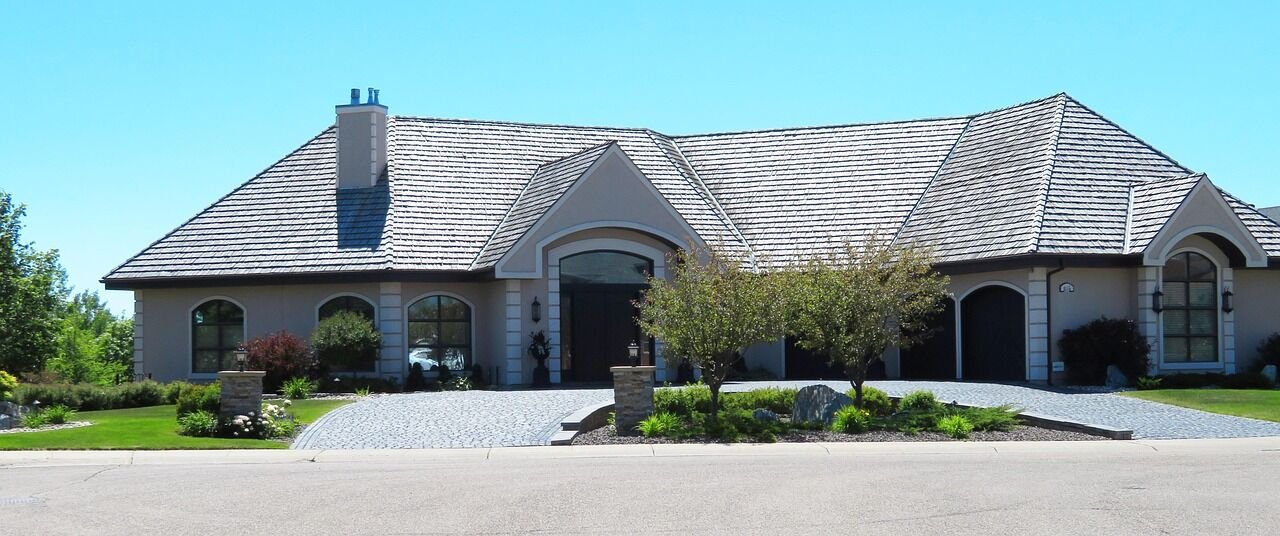
Understanding Miri’s Rental Market: Where, What, and Why It Rents Better
Miri’s property market is strongly shaped by the O&G (oil & gas) sector, project-based workers, and a steady flow of outstation professionals. These groups create consistent rental demand, but not every property benefits equally.
To invest wisely, you need to understand which areas attract tenants more consistently, what profiles are driving demand, and how location and accessibility translate into rental yield. This article looks at Miri’s main residential zones, their tenant profiles, and practical investment considerations for both medium- and long-term horizons.
“In Miri’s rental market, accessibility and proximity to work hubs often matter more than property size alone.”
Key Drivers of Rental Demand in Miri
Miri is a regional service hub for O&G, shipping, engineering, and education. These sectors shape rental behaviour in a few clear ways.
1. O&G and Industrial Activity
O&G companies, contractors, and related service providers are major employers. They bring in engineers, technicians, and project managers from other parts of Malaysia and overseas. These tenants often prefer renting rather than buying due to contract-based employment.
Areas with good access to industrial bases, LNG-related facilities, and corporate offices tend to have more resilient rental demand, even when the broader market is quiet. Terrace houses and apartments in these locations often cater to staff housing, shared rentals, or fully furnished units for company leases.
2. Project-Based Workers and Expatriates
Project-based workers may only stay 1–3 years. Expatriates in O&G and engineering sometimes stay longer, but many still prefer flexibility. This creates strong demand for furnished apartments, gated communities, and well-located terrace houses with easy access to work and lifestyle amenities.
These tenants usually prioritise:
- Short travel time to office or industrial sites
- Safe, well-managed neighbourhoods
- Nearby commercial areas with food, groceries, banks, and basic services
- Good road connectivity to the airport and major bypass routes
3. Accessibility and Bypass Roads
The growth of bypass routes in and around Miri has changed how tenants view distance. Properties slightly further from the traditional town centre can still enjoy strong demand if travel time to key work hubs is reasonable thanks to good road connectivity.
For investors, this means a property that looks “far” on the map may still be rental-viable if it has quick access to airport roads, coastal highways, or main arterial roads.
4. Lifestyle and Neighbourhood Maturity
Mature neighbourhoods typically offer established schools, eateries, and shops. Newer townships may offer gated communities and modern layouts, but sometimes lag in commercial support for a few years.
Tenants who plan to bring family (for example, senior O&G staff or long-term expatriates) may prioritise liveability and nearby amenities, not just distance to work.
How Different Areas in Miri Attract Different Tenants
Not all parts of Miri serve the same tenant base. Below is a simplified view of how various areas typically perform in rental terms. Actual performance will vary by specific project, condition, and pricing.
| Area / Zone | Common Tenant Profile | Rental-Demand Potential |
|---|---|---|
| Near O&G and industrial activity (e.g. corridors linked to O&G offices, supply bases) | O&G staff, technicians, engineers, company-leased units, project teams | Strong when O&G activity is stable; medium risk if projects slow down |
| Airport and bypass-linked residential zones | Frequent flyers, outstation professionals, consultants, pilots/crew, contractors | Moderate to strong long-term potential as road links and services improve |
| Mature neighbourhoods near established commercial areas | Local families, long-term renters, small-business owners, teachers | Consistent but moderate rent levels; lower vacancy risk |
| New gated communities and modern townships | Young professionals, corporate tenants, higher-income locals, expatriates with families | Good potential if access is strong; depends on completion of nearby amenities |
| Certain fringe or speculative townships with limited access | Price-sensitive tenants, some local families, lower-budget sharers | Weaker and slower to rent unless road and commercial infrastructure catch up |
Property Types and Their Typical Rental Roles in Miri
1. Terrace Houses
Terrace houses remain the backbone of Miri’s residential market. For rental, they are commonly used for:
Company staff housing: O&G contractors renting whole houses for a small group of staff. These tenants usually want reasonable access to industrial and office locations, with car-parking space and basic furnishings.
Family rentals: Local or outstation families may accept slightly longer commutes in exchange for larger built-up area. Mature neighbourhood terraces do well here because of schools, shops, and places of worship.
Investment angle: Terrace houses in “middle-ring” locations (not too inner-city, not too fringe) near key roads often show stable, if not spectacular, rental yields, with lower vacancy risk compared to very new or very speculative areas.
2. Apartments and Condominiums
These are popular with younger professionals, small households, and some expatriates who prefer facilities and security over land size.
Units within reasonable distance of O&G offices or easily connected via main roads can attract project-based workers and corporate leases, especially if furnished. Gated, managed developments with a decent reputation are often easier to rent out consistently, even during slower market periods.
However, investors need to watch:
Supply risk: If too many similar apartments are launching in one area, competition will pressure rental rates and increase vacancy risk.
3. Gated and Guarded Communities
Gated communities in Miri typically attract higher-income local families, managers, and expatriates who prioritise security, environment, and lifestyle. These developments often command higher rents, but also carry higher entry prices.
The most sustainable rental demand tends to appear in gated communities that have:
Good road access, proximity to commercial hubs, and reasonable travel times to O&G-related workplaces. Without these, even attractive gated projects can experience slower rental take-up.
4. Subsale vs Newly Launched Properties
Subsale properties (second-hand) in Miri’s established areas generally offer more predictable rental patterns. You can see real past transaction prices, existing tenant types, and actual traffic flow.
New launches may offer modern designs and facilities, but rental performance is less certain, especially in early years. If the area is still underdeveloped or overly marketed, investors can overpay relative to achievable rental, leading to weaker yields.
Location, Accessibility, and Lifestyle: What Really Drives Rental Yield
1. Proximity to Work vs Proximity to Town
In a city driven by O&G and industrial services, many tenants place work access above being in the traditional “town centre”. A terrace house 15–20 minutes from an industrial hub via bypass roads can be more desirable than a smaller unit that is technically closer to town but stuck in slower traffic routes.
Key point: Investors should measure potential rental not just by distance “as the crow flies”, but by actual commute time and road connectivity.
2. Airport and Bypass Areas: Medium- to Long-Term Potential
Residential pockets with good access to Miri Airport and major bypass links tend to attract:
Frequent travellers (consultants, airline staff, regional managers) and project-based O&G professionals who fly in and out. Over time, as commercial nodes expand around these corridors, the convenience factor often improves rental resilience.
However, investors should avoid assuming every airport-adjacent project is a guaranteed winner. The project still needs:
Functional layouts, competitive pricing, and a livable surrounding environment, not just proximity to the runway.
3. Mature Neighbourhoods vs New Townships
Mature neighbourhoods in Miri tend to offer:
Steady rental demand from local families and long-term workers, reasonable access to schools and shops, and lower volatility in rent levels. Yields may not be the highest on paper, but vacancy periods are often shorter.
Newer townships may promise better layouts, wider roads, and gated concepts. Rental demand here is more dependent on how quickly commercial support and road links mature. Early buyers sometimes face longer vacancy periods until the township “fills in”.
Why Some Neighbourhoods Rent Better Than Others
From an investor’s perspective, some patterns consistently appear in Miri’s better-performing rental areas:
1. Clear Work-Access Logic
Areas with obvious connectivity to O&G offices, industrial estates, or major employment clusters tend to rent better. Corporate HR and relocation teams prefer units that are easy to justify logistically.
2. Balanced Lifestyle and Convenience
Even project-based workers need everyday convenience. Neighbourhoods with a mix of eateries, convenience stores, and basic services within a short drive have a clear edge.
3. Reasonable Price-to-Rent Ratio
A common investor mistake is to buy into heavily hyped projects where selling prices run ahead of achievable rent. In such cases, even if the units are “nice”, the rental yield can be underwhelming, especially after maintenance and furnishing costs.
4. Supply and Competition
If a particular location suddenly has many similar apartments or terrace projects completing at once, tenants will have more choice. This puts pressure on asking rents and increases vacancy risk.
Risks of Buying Based Only on Market Hype
Marketing materials often highlight “future growth”, “strategic location”, or “next hotspot” language. In reality, Miri’s rental market is quite practical: tenants will only pay for what makes their daily life and work easier.
Some common pitfalls:
Overestimating rent: Using optimistic figures from brochures or agents without checking actual asking and transacted rents in the area.
Ignoring tenant profile: Buying a luxury unit far from key O&G and commercial hubs, then realising that the likely tenant pool is too small for the price bracket.
Underestimating vacancy: New projects in less-established areas may take months to secure a tenant, especially if many owners are trying to rent out similar units at the same time.
Frequently Asked Questions (FAQs)
1. Which areas in Miri are generally easier to rent out?
Areas with good connectivity to O&G-related workplaces, industrial corridors, and established commercial zones usually rent more easily. Mature neighbourhoods with schools and daily amenities see steady family demand, while well-located apartments and gated communities near main roads and the airport often attract professionals and expatriates.
2. Are subsale homes suitable for rental investment in Miri?
Yes, subsale terrace houses and apartments in established neighbourhoods can be very suitable for rental. You can observe actual rent levels and current tenant profiles before buying. While they may not have the latest designs, their rental demand and price-to-rent balance is often more predictable than brand-new launches in untested locations.
3. What do expatriate tenants usually look for?
Expatriates in Miri, especially in O&G and engineering, usually look for safety, cleanliness, and convenience. They often prefer gated communities or well-managed apartments with security, covered parking, and reliable internet. Proximity to their office, international schools (if with family), and decent commercial amenities is important, and most expect fully or at least partially furnished units.
4. Does a higher rental yield always mean a better investment?
Not necessarily. While higher rental yield (for example 5–6% compared to 3–4%) can be attractive, you must also consider vacancy risk, long-term neighbourhood prospects, maintenance costs, and resale market depth. A slightly lower-yield property in a stable, well-established area can sometimes deliver more reliable overall returns than a high-yield property in a volatile, speculative location.
5. Do properties near the airport have strong long-term potential?
Properties with good access to Miri Airport and main bypass routes can offer solid medium- to long-term potential, especially for professionals who travel frequently and industries that rely on regional mobility. However, the project still needs a comfortable living environment, supporting amenities, and a realistic price-to-rent ratio. Airport proximity alone is not enough to guarantee strong rental performance.
Putting It All Together: Making More Realistic Investment Decisions
For investors looking at Miri, the key is to align your property choice with clear tenant demand, not just future hopes. Start by asking:
Who is my likely tenant (O&G staff, local family, expatriate, young professional)?
How will they get to work, and how long will it take on a typical day?
What amenities will they need within 5–15 minutes’ drive?
Is the rent I am expecting in line with what similar properties are actually achieving now?
Combine this with a realistic view of your own finances and risk tolerance. A slightly more modest, well-located terrace house or apartment with steady demand can often be a better starting investment than a heavily marketed, higher-priced project with uncertain rental prospects.
Understanding tenant profiles and location strengths often helps investors make more stable long-term property decisions.
This article is for educational and general property market awareness only and does not constitute financial, investment, or legal advice.
🏠 Find Property in Miri
- Latest Property For Sale in Miri
- Latest Property For rent in Miri
- New Project Launches in Miri
- Latest Land For Sale in Miri
- Search properties by keys area in Miri
- Property Agent in Miri
- Property Guides & Tips (Malaysia)
⚠️ Disclaimer
This article is provided for general property information and educational purposes only.
It does not constitute legal, financial, or official loan advice.
Information related to pricing, loan eligibility, and property status is subject to change
by property owners, developers, or relevant institutions.
Please consult a licensed real estate agent, bank, or property lawyer before making any
property purchase or rental decisions.
📈 Looking for Ways to Grow Your Savings?
After budgeting or planning your property expenses, explore smarter investing options like REITs and stocks for long-term growth.
📈 Start Trading Smarter with moomoo Malaysia →(Sponsored — Trade REITs & stocks with professional tools)
