
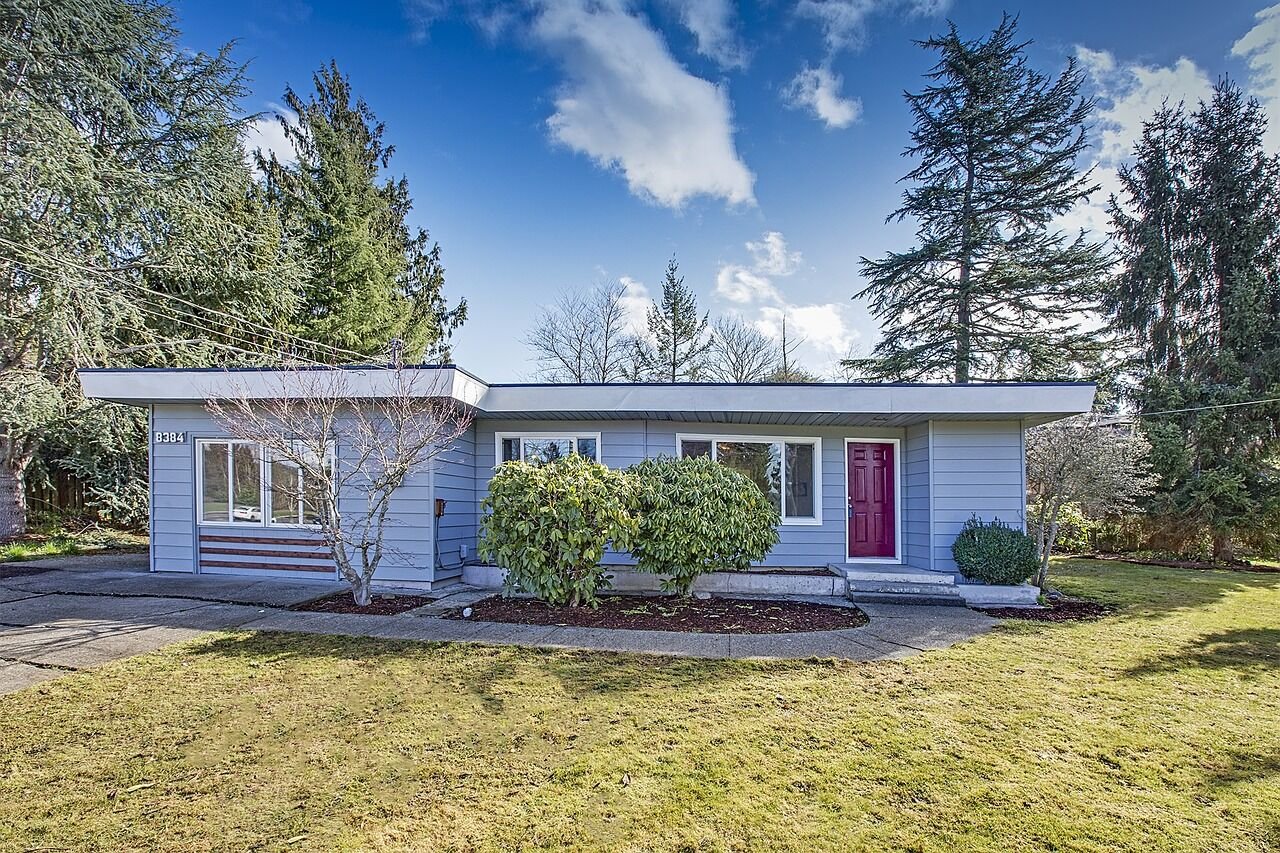
Smart Rental Strategies for Miri Landlords: How to Maximise Yield and Reduce Vacancy
Miri’s rental market has become more competitive and more specialised over the last few years, especially with the steady demand from oil & gas workers and young families. For small landlords and investors in Sarawak, it’s no longer enough to just “buy and rent out.” You need a clear strategy to improve rental income, attract reliable tenants, and keep vacancy as low as possible.
This article will walk through practical approaches for Miri landlords, using realistic examples and focusing on cost-effective steps you can take with terrace houses, apartments, and room rentals.
Understanding Tenant Demand in Miri, Sarawak
Rental demand in Miri is driven by a few key groups: oil & gas workers, local professionals, students, and family tenants. Each group has different expectations and is willing to pay different rental levels based on comfort, location, and convenience.
Oil & gas workers, especially those attached to companies in Lutong and along the coastal area, often prefer fully furnished accommodation with good internet, air-conditioning, and easy access to main roads. Many come on fixed-term contracts (6–24 months) and value convenience more than saving RM100–RM200 per month.
“Many tenants choose a rental property based on comfort and convenience, not just the lowest monthly rent.”
Family tenants, especially in terrace houses, usually look for proximity to schools, quiet neighbourhoods, and enough space for parking. Meanwhile, younger professionals may be more open to apartment rentals near commercial areas like Marina, Bintang, or Permyjaya.
Whole-Unit Rental vs Room Rental in Miri
One of the biggest decisions for Miri landlords is whether to rent out a whole unit or go for room-by-room rental. The choice will affect your rental income, workload, and risk profile.
Whole-Unit Rental: Simpler but Lower Gross Yield
Whole-unit rental is common for terrace houses in areas like Permyjaya, Senadin, Pujut, and Taman Tunku, and for apartments near town. Here, you typically deal with one tenant or one family, collect one rental, and sign one Tenancy Agreement.
For example, a double-storey terrace house in Senadin might rent for RM1,300–RM1,600 per month as a whole unit, depending on furnishing and condition. The yield may be moderate, but the management is simpler and tenant relationships are more straightforward.
Pros of whole-unit rental:
- Less time spent managing multiple tenants
- Lower wear and tear from shared common areas
- Clearer responsibility for utility bills (usually tenant pays all)
- Often more suitable for family tenants wanting stability
Cons of whole-unit rental: lower total rental compared to room rental for the same property, and if the unit is vacant, your entire income from that property drops to zero.
Room Rental: Higher Income, Higher Management
Room rental is popular in areas like Senadin (near Curtin University), Desa Senadin, and some parts of Luak, where there is a mix of students, single professionals, and contract workers. A terrace house with four rooms may generate more income when rented by room than as a whole unit.
For example, four rooms rented at RM450–RM550 per month can produce RM1,800–RM2,200 in gross rent from a property that might only get RM1,400–RM1,600 as a whole unit. However, you will manage more tenants, handle shared utilities, and face more frequent tenant turnover.
Pros of room rental: higher potential rental income and flexibility to adjust room rates according to size and furnishing. This can be attractive for investors who want to maximise yield and are willing to be more hands-on.
Cons of room rental: more wear and tear, more time spent dealing with complaints and coordination, and higher risk of incompatible housemates causing conflict.
Fully Furnished vs Partially Furnished vs Basic Units
In Miri, demand for fully furnished rentals has grown, especially among oil & gas workers and outstation professionals posted to Sarawak on short notice. However, fully furnishing a unit costs money, and not every location or tenant type needs a complete setup.
What Tenants in Miri Expect in a Fully Furnished Home
Most tenants in Miri, especially expats and oil & gas staff, have practical expectations rather than luxury demands. They usually want a “ready to live” home where they only bring clothes and personal items.
Essential items for a standard fully furnished terrace house or apartment rental might include:
- Basic living room set (sofa, coffee table, TV cabinet)
- Dining table with at least four chairs
- Bed frame and mattress in every bedroom (Queen for master, Single for smaller rooms)
- Wardrobe or clothes storage in every bedroom
- Air-conditioners in bedrooms (and sometimes living room)
- Fridge, washing machine, and basic kitchen cabinets
- Water heater in at least one or two bathrooms
- Reliable internet line (crucial for professionals and students)
These items make your unit more competitive, particularly when tenants compare listings online or through agents. You don’t need luxury brands, but you should avoid the cheapest low-quality items that break easily and cost more in maintenance.
Do You Need to Fully Furnish Every Unit?
No. In Miri, different areas and tenant profiles justify different furnishing levels. Family tenants in more local neighbourhoods—like Taman Tunku or Lopeng—may prefer partially furnished units with lights, fans, and kitchen cabinets, and they bring their own furniture.
On the other hand, apartments in town or near commercial hubs, such as Marina and Bintang, are more competitive if fully furnished. Oil & gas workers often expect air-cond, washing machine, fridge, and proper furniture as part of the rental package.
Cost vs Rental Potential: Comparing Setup Options
Landlords should think in terms of “setup cost vs extra rental” rather than just trying to spend as little as possible. The right setup can pay itself back through higher rent and lower vacancy.
| Rental Setup | Estimated Initial Cost | Typical Monthly Rent (Miri Example) |
|---|---|---|
| Basic unfurnished terrace house | RM3,000–RM5,000 (repairs, painting, basic fixtures) | RM900–RM1,200 |
| Partially furnished terrace (fans, lights, kitchen, some AC) | RM8,000–RM12,000 | RM1,200–RM1,500 |
| Fully furnished terrace targeting oil & gas workers | RM15,000–RM25,000 | RM1,600–RM2,200 (whole unit) |
| Room rental (4 rooms fully furnished) | RM18,000–RM28,000 (includes partitions/upgrades) | RM1,800–RM2,400 (total rooms) |
These figures are illustrative ranges for Miri and will vary by location and property size. The key is to plan how long it will take for the extra rental income to recover your setup cost, usually aiming for a 2–4 year payback period.
Simple Renovations That Meaningfully Increase Rental Value
Not all renovations give good returns. High-end tiles or fancy feature walls may not translate into higher rent in Miri. Instead, focus on simple improvements that tenants can see and feel immediately.
Practical renovations that often pay off:
- Repainting the interior and exterior: Fresh, neutral colours (off-white, light grey) make units look newer and brighter.
- Replacing old fans and lights: Modern LED lights and quiet fans improve comfort and reduce maintenance.
- Basic kitchen upgrade: Adding proper countertop, sink, and cabinets makes the unit feel complete for families and long-term tenants.
- Adding air-conditioning in key rooms: At least the master bedroom and main living area, especially for areas popular with oil & gas workers.
- Improving bathrooms: Install water heaters, replace leaking taps, ensure proper ventilation to prevent mould.
These are not luxury touches, but they can justify RM100–RM400 higher monthly rental and attract longer-term tenants who value comfort.
Targeting Oil & Gas Workers as Tenants
Oil & gas workers contribute significantly to Miri’s rental demand, especially in areas like Lutong, Piasau, Kuala Baram corridor, and parts of Luak. Many are on rotation or fixed-term contracts and receive housing allowances, making them willing to pay for convenience and quality.
What this tenant group typically looks for:
Clean, fully furnished units with reliable air-cond, good internet, and easy access to their work sites. Safety and parking space are also important, especially if they come back late from shifts.
If your terrace house or apartment is within reasonable driving distance of oil & gas offices or yards, it may be worth investing more in furnishing and presentation to attract this group. A well-presented listing with good photos, clear descriptions, and a professional Tenancy Agreement can set you apart from basic rentals.
Reducing Vacancy Risk in Miri’s Rental Market
Vacancy is one of the biggest threats to cashflow. Even a strong rental yield on paper can be ruined by several months of empty unit. Miri landlords should plan actively to keep vacancy periods short.
Practical strategies to reduce vacancy:
- Start marketing early: Start advertising 1–2 months before the current tenant moves out. Use online portals, Facebook groups, and local agents.
- Price realistically, not emotionally: Check current asking rents in your area. Sometimes reducing RM50–RM100 can fill the unit weeks earlier, which is better than losing a full month’s rent.
- Offer flexible furnishing options: For some tenants, you can remove certain items or add a few simple pieces to close the deal faster.
- Respond quickly to enquiries: Tenants often view several properties. The landlord who replies fast and arranges viewing easily has an advantage.
- Keep the unit clean and ready for viewing: A dirty or cluttered unit turns off good tenants immediately.
In some parts of Miri, competition among similar terrace houses is strong. Small improvements in presentation and responsiveness can make a big difference in reducing vacancy days.
Tenant Screening: Avoiding Major Headaches
Higher rental income is pointless if it comes with problematic tenants who don’t pay on time or damage your property. Good tenant screening is essential, even for room rentals.
Basic screening steps for Miri landlords:
- Check employment status: Ask for job details or student status. For oil & gas and professional tenants, request employment letters or company ID.
- Verify identity: IC or passport copy is standard, especially for foreign tenants.
- Ask about rental history: If they rented before, ask why they are moving, and observe how they talk about previous landlords.
- Set clear house rules: No smoking inside, no overcrowding, no subletting without permission. Put these in writing.
- Use a written Tenancy Agreement: Even for room rentals, have a simple agreement stating rent, deposit, payment date, and responsibilities.
Being firm but fair from the start helps filter out high-risk tenants. Many experienced landlords in Sarawak find that consistent rules and clear communication reduce problems later.
Managing Maintenance and Long-Term Cashflow
Maintenance is not just a cost; it is part of protecting your asset and rental stream. In Miri’s climate—hot, humid, and sometimes salty air near the coast—properties can deteriorate faster if not maintained.
Maintenance tips for better long-term returns:
Schedule annual or bi-annual checks on air-conditioners, roof leaks, plumbing, and external paint. Address small issues early before they become major repairs that cost thousands and lead to long vacancies.
For room rentals, shared areas like kitchens and bathrooms wear out faster. Consider using more durable materials (tiled countertops, good quality taps, easy-to-clean flooring) to reduce long-term replacement costs.
Popular Rental Neighbourhoods in Miri and What Works There
Different neighbourhoods in Miri attract different tenant types, so your strategy should match the area.
Senadin & Desa Senadin: Strong demand from students and young workers. Room rentals and modest fully furnished terrace houses can perform well here.
Permyjaya & Taman Tunku: More family-oriented. Partially furnished terrace houses with basic comforts and good parking are often sufficient. Fully furnished can attract outstation families or professionals.
City centre, Marina, and Bintang: Suitable for apartment rentals and high-convenience living. Fully furnished units appeal to professionals and some oil & gas staff who want to be near amenities.
Lutong, Piasau, Luak: Strategic for oil & gas workers and expats. Well-maintained, fully furnished terrace houses and apartments with good security and parking can achieve better rents if presented properly.
Frequently Asked Questions (FAQs)
1. Is room rental or whole-unit rental more profitable in Miri?
Room rental usually produces higher total rent for the same terrace house, especially in areas with many students or single workers like Senadin. However, it also means higher management effort, more wear and tear, and faster tenant turnover. Whole-unit rental may be slightly less profitable on paper but offers more stable and lower-stress management, especially with family tenants.
2. Do fully furnished rentals need complete furniture sets?
No, they don’t have to be luxurious, but they should feel complete and practical. In Miri, most tenants expect beds, wardrobes, air-cond in bedrooms, fridge, washing machine, dining set, and some living room furniture. You can skip decorative items and very expensive pieces, but the basics must be functional and in good condition.
3. Which areas in Miri have the strongest tenant demand?
Demand is usually consistent in Senadin and Desa Senadin (students and young workers), Permyjaya and Taman Tunku (families), and city-centre apartments near Marina and Bintang (young professionals). Areas near oil & gas facilities like Lutong and Piasau also see steady demand from contract workers. Within each area, units that are clean, well-maintained, and reasonably furnished tend to rent out faster.
4. How can landlords avoid problematic tenants?
Conduct basic screening by checking employment, identity, and rental history, and avoid rushing into accepting the first applicant out of fear of vacancy. Use a written Tenancy Agreement with clear rules on payment, maintenance, and behaviour. Trust your observations during viewing: tenants who are rude, overly demanding, or secretive at the start may cause trouble later.
5. Which small renovations can help increase rental income in Miri?
Fresh paint, improved lighting, working air-conditioners, decent kitchen fittings, and clean, functional bathrooms are among the most effective upgrades. These relatively small investments can justify higher rent and attract longer-term tenants, improving your net cashflow over time. Overly decorative or luxury finishes rarely give good returns in the Miri rental market.
Strong rental strategies in Miri and across Sarawak often begin with understanding local tenant demand, choosing the right rental model (whole-unit or room rental), and providing practical, comfortable living conditions at a fair price. From there, consistent maintenance, clear tenant screening, and smart furnishing decisions can help you protect your cashflow and grow your rental portfolio steadily.
This article is for educational and general property investment awareness only and does not constitute financial, legal, or investment advice.
🏠 Find Property in Miri
- Latest Property For Sale in Miri
- Latest Property For rent in Miri
- New Project Launches in Miri
- Latest Land For Sale in Miri
- Search properties by keys area in Miri
- Property Agent in Miri
- Property Guides & Tips (Malaysia)
⚠️ Disclaimer
This article is provided for general property information and educational purposes only.
It does not constitute legal, financial, or official loan advice.
Information related to pricing, loan eligibility, and property status is subject to change
by property owners, developers, or relevant institutions.
Please consult a licensed real estate agent, bank, or property lawyer before making any
property purchase or rental decisions.
📈 Looking for Ways to Grow Your Savings?
After budgeting or planning your property expenses, explore smarter investing options like REITs and stocks for long-term growth.
📈 Start Trading Smarter with moomoo Malaysia →(Sponsored — Trade REITs & stocks with professional tools)
