
Why Comparing Investments Locally Matters in Miri
Many investment articles are written with large urban centres in mind, where income levels, job markets, and property prices behave very differently from Miri. When Miri residents follow such advice blindly, they may take on risks or commitments that do not match local realities. Comparing options using Miri conditions helps you make decisions that are practical, not theoretical.
Household income in Miri often follows project and industry cycles, especially for those in oil and gas, supporting services, and small businesses. There can be periods of high overtime and allowances, followed by quiet months or contract gaps. This affects how much risk and commitment a family can realistically carry, especially when considering big-ticket investments like property.
Property prices in Miri have generally moved more slowly compared to fast-growing metropolitan areas, and rental markets can be patchy between mature and newer townships. For some families, “return” means stable monthly cash flow they can count on, while for others it means long-term asset growth, even if cash flow is low. Understanding which type of return matters most to your household is more important than chasing headline percentages.
Understanding Property as an Investment in Miri
Property investments in Miri usually generate returns in two ways: rental income and capital appreciation. Rental income is the monthly rent you collect after paying instalments and costs, while capital appreciation is the increase in property value over many years. Both are influenced by location, nearby employment hubs, and overall demand from tenants and buyers.
Holding costs include loan instalments, quit rent, assessment rates, maintenance fees (for apartments and gated communities), repairs, and insurance. These expenses continue even if the property is empty, so investors need sufficient cash reserves. In areas of Miri where rental demand is weaker, vacancy can easily stretch for several months if asking rents are unrealistic.
Property is less liquid than most financial assets because selling takes time, buyer financing must be approved, and transactions involve legal and agency costs. Maintenance risk is also real in Miri’s climate, with humidity and coastal conditions affecting wear and tear. Well-located units near stable employment centres, schools, and amenities usually attract more reliable tenants than speculative “future hotspot” areas.
Rental demand in Miri is driven mainly by employment from oil and gas, supporting industries, government agencies, education, and cross-border activity linked to Brunei. This means investors should focus on real housing needs of workers and families rather than hoping for quick speculative gains. When employment is stable, tenants stay longer and treat the property better, which is often more valuable than squeezing out the highest possible rent.
Property vs Fixed-Income Options
Comparing with Fixed Deposits and EPF
Fixed deposits in local banks offer a predictable interest rate for locking in your money over a set period, usually from three months to a few years. For Miri residents, FDs are often used as a parking place for emergency funds or cash earmarked for near-term goals. They do not require active management, but the returns are limited by the bank’s rates.
EPF, for employed contributors, functions like a long-term retirement fund with compulsory contributions for salaried staff. Many Miri workers see their EPF balance grow steadily over their working years without needing to make frequent decisions. However, EPF is not easily accessible before retirement age, so it is not suitable for short-term liquidity needs.
Property, in contrast, requires active involvement from purchase to rental management. While rentals may produce a higher nominal income compared to fixed deposits for some owners, they also carry vacancy risk and maintenance responsibility. For many households, property sits alongside EPF and FDs, not as a replacement, because each serves a different time horizon and liquidity need.
Predictability vs Effort
Fixed-income products like FDs, government-backed instruments, and conservative income funds require little ongoing effort. Once placed, you mainly monitor maturity dates and renewal options. Income is predictable in RM terms, which is comforting during uncertain job or business conditions.
Property in Miri demands more effort: searching, due diligence, financing paperwork, renovations, and tenant management. Returns are uneven over time because repairs, vacancies, and occasional upgrades can suddenly consume several months of net rent. The reward for this effort is the potential combination of rental income and long-term capital growth, but it is never automatic.
Which Income Profiles Lean Toward Which Option
Salaried workers with stable EPF contributions and modest savings might prioritise fixed-income instruments for emergency buffers before considering investment property. This is especially important for families with a single income or young children. Having at least several months of expenses in liquid form reduces stress when managing any property setbacks.
Business owners and self-employed individuals in Miri may experience income swings depending on contracts and seasonal demand. For them, fixed-income products can stabilise cash flow, while property can serve as a longer-term wealth anchor. The balance between these depends on how volatile their business income is and how comfortable they are with taking on loan commitments.
Property vs Financial Market Investments
Stocks and Unit Trusts
Stocks allow investors to own parts of listed companies, while unit trusts pool money from many investors to buy diversified portfolios. For Miri residents, access is usually via local banks, brokers, or online platforms. These investments can be started with small amounts, which is very different from the large upfront and ongoing commitment of a property purchase.
Stock and unit trust values can fluctuate daily based on global and regional market conditions. Some investors find this volatility stressful and check prices too frequently, leading to emotional buying and selling. Others appreciate the flexibility, since they can sell portions when needed without having to dispose of the entire asset.
REITs vs Direct Property
REITs (Real Estate Investment Trusts) are listed vehicles that own portfolios of income-generating properties such as malls, offices, and industrial assets. For someone in Miri, buying REIT units is a way to gain exposure to real estate with a much smaller investment amount and without managing tenants directly. Income from REITs typically comes as distributions, which may resemble rental income but without maintenance phone calls.
Direct property ownership in Miri, on the other hand, gives you full control over the specific property, its renovations, and tenant selection. This can be an advantage when you know the local micro-markets very well, such as which neighbourhoods attract certain types of renters. However, concentration risk is higher, because your money is tied up in one or a few physical properties, rather than spread across many assets.
Volatility, Emotions, and Time Horizon
Financial market investments are more transparent in terms of price movements, which can be both helpful and unsettling. Seeing values change daily may lead some investors to react too quickly, locking in losses or missing potential recoveries. For those who cannot ignore frequent price changes, such volatility may be emotionally exhausting.
Property values in Miri do not have visible daily prices, so many owners feel less emotional volatility. However, the impact of a prolonged vacancy or a major repair can be just as significant financially. Regardless of asset type, a clear time horizon and realistic expectations help investors avoid behaviour that undermines their long-term goals.
Property vs Alternative and Store-of-Value Assets
Gold as a Store of Value
Gold is popular among many Sarawak households as a form of long-term savings, especially in physical jewellery or bars. It is viewed more as a store of value than as a productive asset, since it does not generate income on its own. For Miri investors, gold can be a way to protect purchasing power over long periods, provided storage and security are considered.
Land Banking and Idle Land
Some investors in Sarawak purchase land with the hope that it will become more valuable in the future, often without any immediate development plan. While this can work in selected locations, idle land does not generate regular income and can involve issues such as access, titles, and infrastructure. In areas where demand is uncertain, holding periods can be very long, tying up capital that could otherwise support more flexible investments.
Digital Assets at a High Level
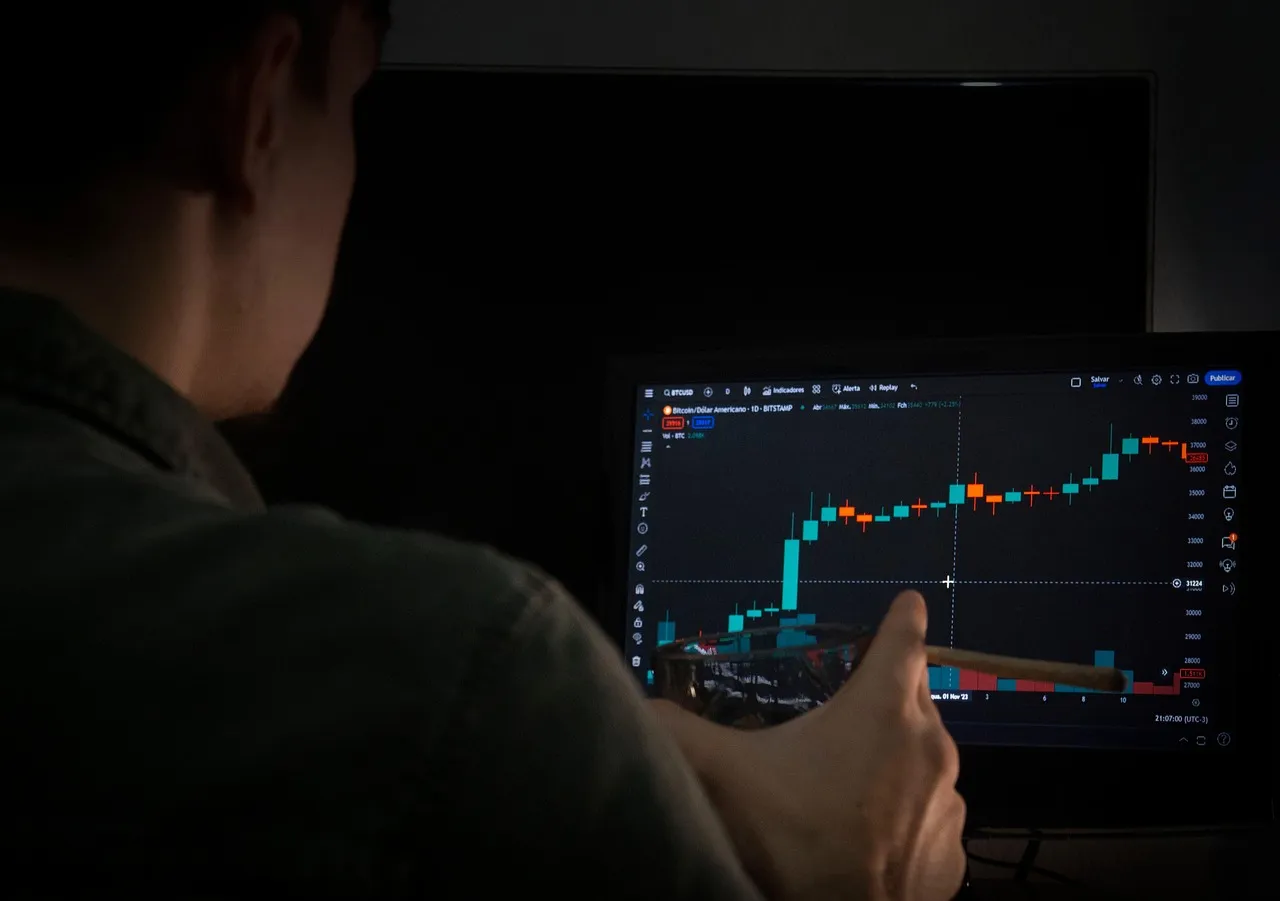
Digital assets, including cryptocurrencies, are increasingly discussed in Miri social circles and online groups. They are highly volatile and driven by global sentiment and regulation, not local housing or employment trends. For many households, such assets should be treated as speculative and only considered after core financial foundations like emergency funds and essential insurance are in place.
Compared with property, gold, and land, digital assets have zero physical presence in Miri and depend entirely on digital infrastructure and platform security. While some may see high price swings as an opportunity, the same swings can quickly cause losses for those who are not prepared for rapid changes. The lack of tangible connection to local economic activity makes them more abstract than other assets discussed here.
Protection vs Productivity
Assets like gold and some forms of land primarily offer protection of value rather than productive income. They may retain or grow in value over time, but they do not pay rent, dividends, or interest while you hold them. Productive assets, such as rental property, REITs, or dividend-paying stocks, aim to provide regular income on top of potential value changes.
For most Miri households, a healthy portfolio balances protective assets that preserve value with productive assets that generate cash flow, instead of relying on a single “hero” investment.
Risk, Liquidity, and Cash Flow Trade-Offs
Different investments trade off between entry cost, ease of exit, cash flow timing, and flexibility during income disruptions. Property usually has a high entry cost because of down payments, legal fees, and renovation expenses. In Miri, a typical modest residential unit might require a down payment of RM30,000–RM60,000 plus several thousand in fees before it can be rented out.
Liquidity is how quickly you can convert an investment back into cash. Fixed deposits and many unit trusts can be redeemed within days, whereas selling a property in Miri may take months, especially in slower segments of the market. Investors who expect possible income disruptions should not lock up all their savings into illiquid assets.
Cash flow from property arrives as monthly rent, but it may not be consistent if tenants move out or pay late. For example, a rental of RM1,200 per month can quickly be wiped out if a RM4,000 repair bill appears in the same year. In contrast, income from fixed deposits or certain funds is more predictable, though typically lower relative to the capital invested.
During income disruptions, such as contract delays or job changes common in project-based work, flexible savings and liquid investments can bridge expenses. If too much money is trapped in a property that cannot be sold quickly, families may feel pressured. Balancing liquid assets with long-term holdings helps maintain stability through such periods.
Matching Investment Choices to Income and Life Stage
Salaried Workers
Employees with regular monthly pay and EPF contributions often benefit from first building strong emergency savings and insurance cover. Once that base is secure, they can assess whether they are comfortable adding a property loan on top of existing commitments. A conservative approach is to ensure that even if allowances or overtime are cut, the property instalment is still manageable.
Business Owners and Self-Employed
Business owners in Miri, from contractors to retail operators, may have good earning potential but irregular cash flow. For them, investment property can serve as a long-term store of value that is separate from business risks. However, they need larger liquid buffers than salaried workers to handle both business fluctuations and property-related costs.
Families and First-Time Buyers
Families with children often prioritise stability in schooling, neighbourhood, and monthly cash flow. Buying an own-stay home in Miri can be both a lifestyle and financial decision, with investment aspects as a secondary benefit. Trying to stretch into a “dream” property that leaves no room for saving or emergencies is a common strain point.
First-time buyers may hesitate between renting and buying, or between a smaller, affordable unit versus a larger, more aspirational home. It can be helpful to treat the first property as a stepping stone rather than a final decision. Keeping instalments within a comfortable range allows more flexibility to invest in other instruments like EPF top-ups, unit trusts, or fixed deposits.
Balance over “All-In” Decisions
For most Miri residents, going all-in on any single asset class increases vulnerability to specific risks, such as property vacancies, market downturns, or business challenges. A mix of property, EPF, fixed-income instruments, and selected financial market investments spreads risk across different drivers. The exact mix should reflect your income stability, responsibilities, and time horizon rather than trends or peer pressure.
Common Investment Mistakes Seen in Miri
One frequent mistake is overstretching for property based on optimistic assumptions about future increments, bonuses, or long-term rentals. When actual income or rental conditions fall short of expectations, households may be forced to cut back sharply on other important goals. It is safer to stress-test property affordability under more conservative income and rental scenarios.
Another mistake is chasing returns without planning for liquidity. This happens when investors pour most of their savings into property, land, or high-volatility assets while neglecting emergency funds and flexible accounts. When unexpected events occur, they may need to borrow at higher costs or sell assets at unfavourable prices.
Copying strategies from much larger or faster-paced markets is also risky, because Miri’s transaction volume, population growth, and rental depth are different. Tactics such as frequent flipping, assuming constant rental demand, or expecting aggressive price jumps may not translate well locally. Decisions should be based on the stability of employers, local infrastructure plans, and realistic tenant profiles in Miri and surrounding areas.
Practical Takeaways for Miri-Based Investors
Property can make sense when you have stable income, a sufficient emergency buffer, and a clear plan for how the property will be used or rented. Investors should focus on locations tied to real employment centres, schools, and daily conveniences, rather than pure speculation. It also helps to budget for several months of vacancy and annual maintenance from the start.
Other investments may be more suitable when your income is still volatile, savings are limited, or you foresee major life changes such as job moves or family commitments. In such cases, building up EPF (for those eligible), fixed deposits, and diversified unit trusts can provide a foundation without locking in huge instalments. As stability improves, property can be added gradually rather than in a single big leap.
Combining multiple assets sensibly means assigning each a role: EPF and retirement funds for long-term security, fixed deposits for emergencies, selected financial instruments for growth and diversification, and property for tangible, location-based exposure. Instead of asking which investment is “best,” Miri investors can ask how each piece contributes to their overall financial resilience. This perspective reduces pressure to predict markets and focuses attention on building a portfolio that can withstand different economic conditions.
Summary Comparison Table
| Investment type | Risk level | Liquidity | Income style | Suitability in Miri |
| Residential property | Moderate to high | Low | Rental (irregular), potential long-term gain | For investors with stable income and buffers |
| Fixed deposits | Low | High | Fixed interest | Emergency funds, short- to medium-term goals |
| EPF | Low to moderate | Very low | Compounded retirement-focused returns | Core retirement base for eligible workers |
| Stocks / unit trusts | Moderate to high | High | Dividends and capital fluctuations | For those with some risk tolerance and longer horizon |
| REITs | Moderate | High | Distributions similar to rental | For investors wanting property exposure without management |
| Gold | Moderate | Moderate | No regular income | Store of value and diversification |
| Digital assets | High | High | No guaranteed income, high price swings | Only for small, speculative allocations after basics are covered |
Signs an Investment Fits Your Profile
- You can explain, in simple RM terms, how the investment might lose money and how you would cope.
- Your essential expenses and emergency fund are not put at risk by this investment.
- The time horizon of the investment matches when you may need the money back.
- You understand your role: passive holder, active manager, or somewhere in between.
- The investment complements, rather than replaces, your other holdings.
FAQs for Miri-Based Investors
1. Should I focus on property or EPF for my future?
EPF is designed as a structured retirement base with regular contributions and rules that encourage long-term saving. Property is a separate decision that can complement EPF by providing potential rental income and a tangible asset tied to a specific location. For most workers, the question is not “either property or EPF,” but how much additional risk and commitment beyond EPF they can comfortably manage.
2. What rental income can I realistically expect from a Miri property?
Rental income depends heavily on location, property type, and tenant profile. Instead of assuming the highest advertised rent, it is wiser to base planning on slightly lower rents and realistic vacancy periods. Factoring in maintenance and occasional repairs gives a more honest view of net rental income over several years, not just in the first few months.
3. I am worried about liquidity if I buy a property. How serious is this concern?
Liquidity is a valid concern because selling or refinancing a property in Miri can take time, especially if market demand is slow. This is why it is important not to commit all your savings into the down payment and renovations. Maintaining separate liquid funds in fixed deposits or savings accounts provides a buffer while the property investment runs on a longer time horizon.
4. I am a first-time buyer. Should I wait and invest in other things first?
Whether to buy now or wait depends on your job stability, savings level, and other commitments. If buying would leave you with very little emergency cash, it may be sensible to strengthen your savings and liquidity first while studying Miri’s neighbourhoods carefully. If your income is stable and you have a reasonable buffer, starting with a modest, affordable property can be a practical entry point.
5. Can I rely on rental income to cover my entire loan instalment?
Some properties may generate rent that comes close to covering instalments, but relying on full coverage can be risky due to vacancies and unexpected costs. A more cautious approach is to assume you will need to top up from your income at times, especially in the early years. Planning for this top-up avoids disappointment and reduces financial stress when things do not go exactly as projected.
This article is for educational and comparative understanding purposes only and does not constitute financial,
investment, or professional advice.
📈 Want Steadier Income Without Buying Property?
👉 Explore REIT Investing with a Smarter Trading App
Perfect for investors focused on steady income & long-term growth.
Join moomoo Malaysia here ➤
https://j.moomoo.com/0xwSKj
🏠 Find Property in Miri
- Latest Property For Sale in Miri
- Latest Property For rent in Miri
- New Project Launches in Miri
- Latest Land For Sale in Miri
- Search properties by keys area in Miri
- Property Agent in Miri
- Property Guides & Tips (Malaysia)
⚠️ Disclaimer
This article is provided for general property information and educational purposes only.
It does not constitute legal, financial, or official loan advice.
Information related to pricing, loan eligibility, and property status is subject to change
by property owners, developers, or relevant institutions.
Please consult a licensed real estate agent, bank, or property lawyer before making any
property purchase or rental decisions.
📈 Looking for Ways to Grow Your Savings?
After budgeting or planning your property expenses, explore smarter investing options like REITs and stocks for long-term growth.
📈 Start Trading Smarter with moomoo Malaysia →(Sponsored — Trade REITs & stocks with professional tools)
