
%title%: Career and Job Market Guide for Miri, Sarawak
This article outlines practical career guidance and industry insights for jobseekers and professionals considering work in Miri, Sarawak. It focuses on hiring trends, sector analysis, skill-demand, and relocation advice specific to the Miri labour market. The guidance is tailored to locals and newcomers seeking stable work or growth opportunities in the city and surrounding districts.
Hiring trends in Miri
Miri’s hiring landscape remains anchored by traditional industries while adapting to digital and service-led roles. After recent cyclical fluctuations, employers are gradually preferring candidates with adaptable skills and mixed technical-business capability. Recruitment patterns show demand for mid-level specialists and flexible part-time arrangements in hospitality and retail.
Employers increasingly value local knowledge and network ties alongside formal qualifications, especially in Oil & Gas and tourism sectors. Remote-ready roles and contract-based positions are growing, giving workers more options but requiring stronger self-marketing and digital literacy.
Industry analysis
Oil & Gas
The Oil & Gas sector remains a major employer in Miri, providing well-paid technical and management roles. Stability depends on global energy cycles, but subsectors such as maintenance, drilling services, and safety management continue to show steady regional demand. Entry-level positions are often operational or technician roles, while skilled positions include engineers, supervisors, and HSE specialists.
Typical salary ranges: entry-level RM2,500–4,500; experienced technicians RM4,500–7,500; engineers/specialists RM7,000–15,000 depending on seniority and employer. Growth potential exists for those who upskill in subsea, inspection, and digital maintenance techniques.
Tourism & Hospitality
Tourism and hospitality in Miri is recovering with domestic travel and eco-tourism interest around national parks and coastal attractions. Hotels, tour operators, and F&B businesses hire for front-of-house, kitchen, and guiding roles, with seasonal peaks during holidays. Roles can be accessible for younger workers and offer clear pathways to supervisory positions when operators invest in training.
Salary ranges: entry-level RM1,500–2,500; supervisors RM2,500–4,000; hotel managers RM4,000–8,000. Stability is moderate and tied to tourism cycles, but diversifying skills (e.g., digital marketing for tourism) improves employment resilience.
Retail & Services
Retail and service industries in Miri provide many entry and mid-level jobs across shopping centres, supermarkets, and local services. Demand is steady for sales associates, logistics staff, and store supervisors. Retail is a reliable sector for part-time work and youth employment, with potential for skill development in customer service and inventory management.
Salary ranges: part-time and entry RM1,200–2,000; full-time associates RM1,800–3,000; managers RM3,000–6,000. Growth outlook is stable, with opportunities in e-commerce and omnichannel retailing.
Digital & Remote Work
Digital and remote work is expanding as more local businesses adopt online services and as professionals tap national freelance markets. Roles such as digital marketers, web developers, content creators, and customer support for remote employers are increasingly available. Workers who combine domain knowledge (e.g., tourism or oil & gas) with digital skills are highly sought after.
Salary ranges: entry RM2,000–3,500; skilled digital roles RM3,500–8,000; specialised freelancers can earn higher depending on clients. Growth potential is strong but competitive; continuous upskilling in tech tools and remote collaboration is essential.
Construction & Property
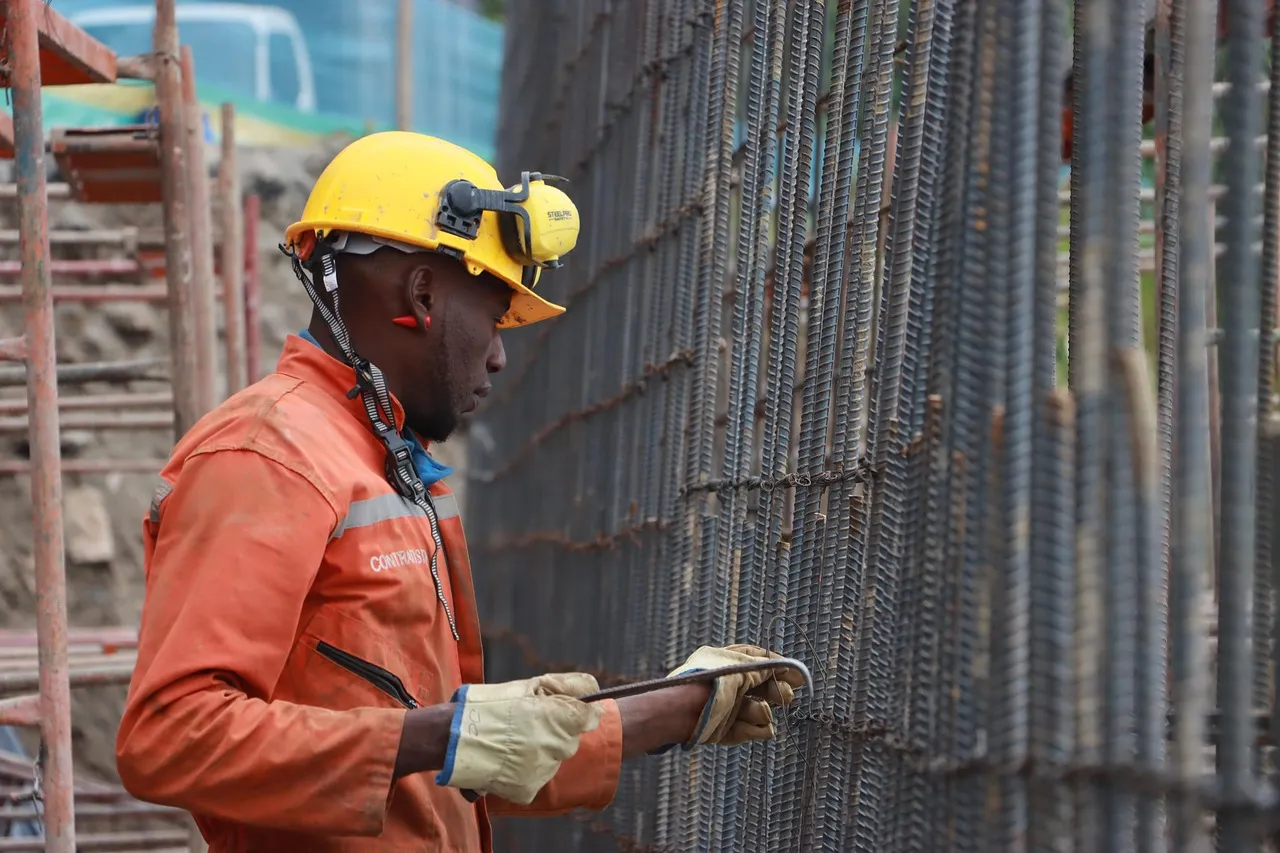
Construction and property development remain active due to infrastructure projects and housing demand in and around Miri. Jobs range from labour and trades to project management, estimating, and property sales. Skilled trades and certified supervisors command higher pay and more stable contracts during development cycles.
Salary ranges: general labour RM1,500–2,500; skilled trades RM2,500–5,000; project managers RM5,000–10,000. Outlook is medium-term positive; those with project management or green building skills will have better prospects.
Education & Training
Education and training in Miri provide stable employment for teachers, lecturers, and corporate trainers. Growth is noted in vocational and skills training aligned to local industries like oil & gas, hospitality, and digital services. Private tuition and short-course providers also create part-time and entrepreneurial opportunities for educators.
Salary ranges: school teachers RM1,800–4,500; lecturers RM3,000–7,000; specialist trainers vary by contract. Stability is generally good, particularly for certified educators and trainers linked to industry upskilling programs.
Industry comparison
| Industry | Demand | Average Pay (typical ranges) | Growth Outlook |
|---|---|---|---|
| Oil & Gas | High for skilled roles, moderate for entry | RM2,500–15,000 | Moderate; cyclical but technical roles remain essential |
| Tourism & Hospitality | Moderate, seasonal | RM1,500–8,000 | Recovery-led; strong if domestic tourism persists |
| Retail & Services | Steady | RM1,200–6,000 | Stable with e-commerce growth |
| Digital & Remote | Growing | RM2,000–8,000+ | High; scalable and long-term |
| Construction & Property | Moderate to high | RM1,500–10,000 | Moderate; tied to regional development |
| Education & Training | Steady | RM1,800–7,000 | Stable; stronger with vocational demand |
Entry-level vs skilled roles
Entry-level jobs in Miri are abundant in hospitality, retail, and some administrative functions and are ideal for recent graduates and those switching careers. These roles often require soft skills, reliability, and a willingness to learn on the job, and they can serve as stepping stones toward supervisory roles. Skilled roles, especially in Oil & Gas, construction, and digital services, require certifications or several years of experience but offer higher pay and career stability.
To move from entry to skilled roles, focus on certifications, practical experience, and networking with local industry groups. Employers in Miri place weight on demonstrable competency and local references, so volunteering, internships, or short contract work can accelerate progression.
High-demand skills for locals
Local employers are prioritising a mix of technical and transferable skills that match industry needs and regional priorities. Upskilling in both hard and soft areas will increase employability across sectors and seasons. Below is a practical list you can start working on immediately.
- Technical skills: welding, equipment maintenance, HSE certification, basic coding, and digital marketing.
- Digital skills: social media management, web development basics, e-commerce operations, and remote-collaboration tools.
- Service skills: customer service, languages (English and basic Mandarin/Borneo dialects), and hospitality operations.
- Business skills: sales, negotiation, project management, and basic accounting/bookkeeping.
- Soft skills: communication, adaptability, problem-solving, and time management.
Career paths and emerging opportunities
Common career ladders in Miri move from entry-level operations to supervisory and management roles within a sector, then to cross-sector specialist or consultancy roles. For example, a technician in Oil & Gas can become a site supervisor, then a project manager, and later a consultant or trainer. Similarly, hospitality staff can move from front desk to operations manager and later into tourism entrepreneurship.
Emerging opportunities are notable in green jobs (energy efficiency and environmental management), digital service exports, and skills training for local industries. Entrepreneurs offering localised digital solutions for tourism, property management, and logistics will find receptive markets in Miri.
Local employment guidance: Prioritise practical certifications and build local networks. Employers in Miri value hands-on competence and reliability as much as formal degrees, so combine short, recognised courses with internships or project work to stand out.
Part-time, side income, and women-friendly jobs
Part-time roles are plentiful in retail, hospitality, and tuition services, making them suitable for students and caregivers. Side-income opportunities include freelance digital services, guided tours, craft or food micro-businesses, and online sales tied to regional products. These can scale from casual income to formal small enterprises with the right market and digital presence.
Women-friendly jobs in Miri include education and training, administrative and HR roles, healthcare support, and customer-facing positions in hospitality and retail. Flexible hours, remote work options, and part-time training roles are growing, and employers are increasingly open to creating family-friendly schedules.
Practical advice for newcomers relocating to Miri
Relocating to Miri requires planning around housing, transport, and local culture. Prioritise accommodation near your workplace or close to public transport routes, and budget for initial expenses including rental deposits and utility setups. Networking with community groups, industry associations, and alumni networks will accelerate your job search and settle-in process.
Prepare realistic salary expectations based on the industry comparison and be ready to demonstrate local adaptability, such as willingness to work shift patterns or obtain necessary local certifications. Consider short-term contract work to build local references while searching for long-term roles.
FAQs
1. Is it hard to find work in Miri if I’m new to the area?
Newcomers can find work, especially in hospitality, retail, and entry-level admin roles, but competition exists for skilled positions. Networking, local certifications, and short-term contract or part-time roles help build references and increase chances. Showing local knowledge and adaptability will improve outcomes.
2. Which sector pays best in Miri?
Oil & Gas typically offers the highest pay for experienced technical and specialist roles, followed by senior positions in construction and management. Digital freelancers with national or international clients can also surpass local salary norms with the right niche and client base. Pay varies significantly by role and employer.
3. What certifications are valued by employers in Miri?
Valued certifications include HSE and safety certificates for Oil & Gas, hospitality diplomas, trade certifications for construction, and recognised digital certifications for web and marketing roles. Short courses with practical components are preferred over purely theoretical credentials. Local industry training partners are a good resource.
4. Can I work remotely for companies outside Sarawak while based in Miri?
Yes, remote work is feasible and growing; many professionals in Miri work for Peninsular Malaysia or international clients. Reliable internet and good time-management are essential, and digital skills that scale across markets are particularly valuable. Remote work can complement local part-time income.
5. How can women find flexible or family-friendly work in Miri?
Women can target education, healthcare, admin, digital freelancing, and part-time hospitality roles for flexibility. Employers in larger hotels and institutions often offer more structured part-time and shift options. Building a network with local women’s groups and training centres helps identify openings and negotiate flexible arrangements.
This article is for informational purposes only and does not constitute professional career, financial, or legal advice.
🏠 Find Property in Miri
- Latest Property For Sale in Miri
- Latest Property For rent in Miri
- New Project Launches in Miri
- Latest Land For Sale in Miri
- Search properties by keys area in Miri
- Property Agent in Miri
- Property Guides & Tips (Malaysia)
⚠️ Disclaimer
This article is provided for general property information and educational purposes only.
It does not constitute legal, financial, or official loan advice.
Information related to pricing, loan eligibility, and property status is subject to change
by property owners, developers, or relevant institutions.
Please consult a licensed real estate agent, bank, or property lawyer before making any
property purchase or rental decisions.
📈 Looking for Ways to Grow Your Savings?
After budgeting or planning your property expenses, explore smarter investing options like REITs and stocks for long-term growth.
📈 Start Trading Smarter with moomoo Malaysia →(Sponsored — Trade REITs & stocks with professional tools)
