
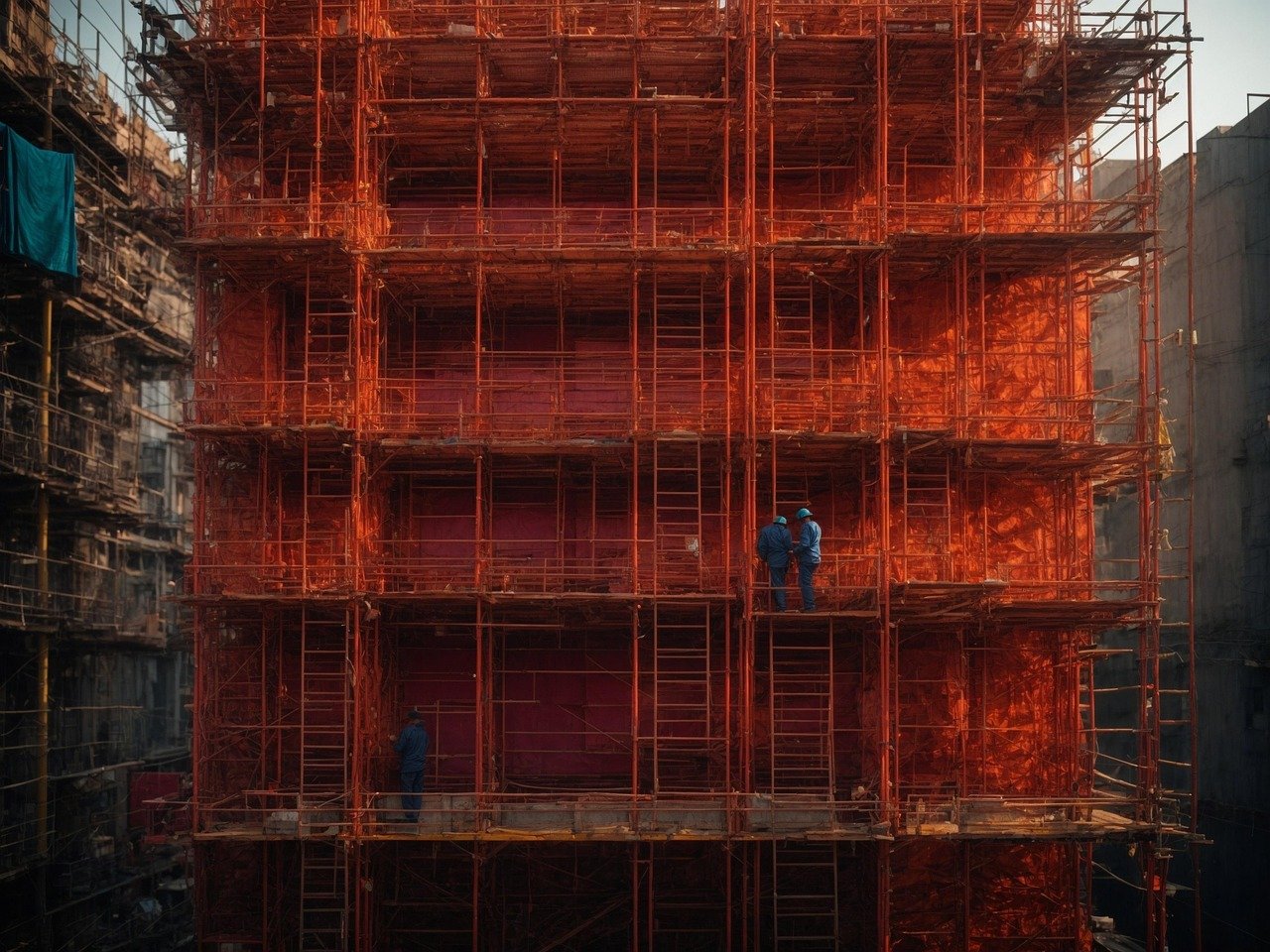
Understanding Renovation in Miri: Practical Guide for Homeowners, Landlords and Tenants
Renovating a home in Miri requires balancing budget, time and local realities. Whether you own a terrace house, semi-D, kampung house, shoplot or condo, this guide focuses on realistic costs, common pitfalls and decision-making for better outcomes.
What to Expect in Miri: Local Realities
Miri’s construction market is smaller than West Malaysia’s, which affects labour availability, material pricing and contractor options. Expect some materials to arrive by sea or road, adding cost and time.
Contractor reliability varies; some small contractors take multiple jobs simultaneously. Timelines are commonly longer here than in KL or Penang. For landlords and investors, these local factors should shape your plan.
Typical Renovation Costs & Budgeting
Costs depend on scope: light cosmetic work, full kitchen and bathroom upgrades, structural changes or extensions. Below is a practical table of rough cost bands tailored to Miri conditions.
| Scope | Typical Cost (RM) | Notes |
|---|---|---|
| Basic repaint + minor repairs (condo / terrace) | 3,000 – 8,000 | 2–7 days; mainly labour and paint |
| Kitchen refit (mid-range) | 10,000 – 35,000 | Depends on cabinets, benchtop, appliances; delivery costs can raise price |
| Bathroom upgrade (per bathroom) | 5,000 – 20,000 | Tiles, sanitary ware, waterproofing; higher if moving drains |
| Full interior for 3-bedroom terrace | 40,000 – 120,000 | Varies with finishes and structural work |
| Extension / structural work (semi-D) | 80,000 – 300,000+ | Requires engineer, permits; longer timeline, higher risk |
| Shoplot fit-out | 20,000 – 200,000 | Depends on commercial standards and services needed |
How to Plan a Realistic Budget
Start with a clear scope: cosmetic refresh, functional upgrades, or structural changes. Get at least three written quotations and compare itemised costs, not only totals.
Include contingencies. In Miri, allow an extra 15–25% contingency for surprises, delivery or scope creep. For older kampung houses, increase contingency for hidden timber or structural repairs.
Budget breakdown to consider
- Design & permits: 3–8% of project for major works
- Labour: 30–50% depending on scope
- Materials & fixtures: 30–50% — imported items cost more
- Contingency: 15–25%
- Professional fees (engineer/architect): fixed or percentage for structural work
Contractor & Interior Designer Guide
In Miri, many contractors are small teams. This brings benefits (personal attention) and risks (limited resources). Vet contractors on punctuality, past projects, and ability to manage suppliers.
Ask candidates for an itemised quote and a work schedule. Confirm payment milestones tied to stages of completion rather than time alone.
Questions to ask before hiring
- Are you registered and insured for this scope of work?
- Can you provide references and photos of recent local jobs?
- Who manages procurement and delivery for materials?
- What is your estimated timeline and payment schedule?
Negotiation & Contract Tips
Use a written contract that lists materials, brands, quantities and workmanship warranties. For supply items sourced from West Malaysia or abroad, state lead times and who bears delay costs.
Never pay full upfront. A typical schedule: 10–20% deposit, progress payments at milestones, and final retention (5–10%) until snagging is complete.
Prioritise functional improvements (waterproofing, wiring, plumbing) before finishes. Cosmetic work can wait, but hidden failures are the most expensive to fix later.
Common Renovation Mistakes to Avoid
Many issues are preventable with better planning and local knowledge. Below are frequent mistakes seen in Miri projects.
- Underestimating timelines: shipping and labour shortages add weeks.
- Choosing cheapest quote without checking workmanship or materials.
- Skipping waterproofing and proper ventilation in bathrooms and kitchens.
- Not accounting for council approvals on extensions or shoplot changes.
- Poor communication about finishes and materials; results differ from expectations.
Making Value-Driven Improvement Decisions
Decide if the aim is resale, rental yield or liveability. For rental properties, focus on durable finishes, low-maintenance fittings and neutral colours.
For owner-occupiers, prioritise comfort: efficient airflow (important in Sarawak humidity), proper insulation for windows, and reliable water heating or filtration if needed.
High-cost items like kitchen cabinets and tiles should be chosen for longevity rather than trendiness.
How Renovation Affects Rental, Resale and Livability
Renovation can improve rental demand and daily comfort, but it rarely guarantees a large resale uplift. In Miri, buyers value practical improvements—functional bathrooms, reliable plumbing and good roofing—over high-end finishes.
Landlords should calculate payback on upgrades. Durable appliances and simple, robust kitchens often reduce vacancy and maintenance calls.
Small Space & Condo Renovation Tips
Condos in Miri need space-saving solutions and humidity control. Choose built-in storage, multi-functional furniture and moisture-resistant materials for bathrooms.
Check building management rules before altering services or ventilation. Lift and access constraints in high-rise blocks affect deliveries and timelines.
Maintenance & Repairs: What to Budget Annually
After renovation, set aside annual maintenance to protect your investment. Routine checks prevent larger failures.
| Item | Annual Budget (RM) | Frequency / Notes |
|---|---|---|
| Painting touch-ups | 500 – 3,000 | Every 3–7 years; coastal humidity shortens life |
| Roof and gutter checks | 300 – 1,500 | Annual inspection; urgent repairs when leaks found |
| Plumbing and waterproofing maintenance | 500 – 3,000 | As needed; immediate action prevents mould |
| Aircon servicing | 200 – 800 | At least twice a year in tropical climate |
Timeline Expectations in Miri
For small jobs (paint, minor repairs) expect 1–2 weeks. Full interior for a terrace or condo usually takes 6–12 weeks. Extensions, structural works and shoplot fit-outs commonly take several months.
Delays arise from material lead times, subcontractor scheduling and council approvals. Build this into your plan.
Before & After: A Practical Example
Scenario: 3-bedroom terrace used by landlord for rental. Scope: fresh paint, two bathroom upgrades, kitchen refit and new flooring in living area.
Budget: RM55,000. Time: 10 weeks. Outcome: quicker retenanting and fewer maintenance calls due to improved waterproofing and durable vinyl flooring.
Lesson: Prioritising functional works and durable finishes delivered better cashflow reliability than expensive designer finishes would have.
Red Flags When Working with Contractors
Watch for contractors who demand large cash deposits, provide vague schedules or avoid written warranties. Also be wary if many past clients cannot be contacted.
Risk point: informal verbal agreements are common but lead to disputes. Insist on written scopes and clear payment terms.
Final Decision Checklist
- Define primary goal: rental income, comfort, or resale.
- Get at least three itemised quotes and check references.
- Build 15–25% contingency into your budget.
- Prioritise structural and waterproofing work ahead of cosmetic upgrades.
- Plan for longer timelines and local supply constraints.
FAQs
1. How much should I set aside for unexpected costs?
For Miri renovations, set aside 15–25% of the total budget for unforeseen issues, especially for older terrace houses, semi-Ds and kampung homes where hidden repairs are common.
2. Are contractors in Miri more expensive than West Malaysia?
Labour rates may be comparable, but material costs can be higher due to transport. Combined with limited contractor pools, the effective project cost and timeline often run higher than in West Malaysia.
3. Do I need permits for extensions or shoplot changes?
Yes. Structural changes, new extensions and commercial fit-outs usually need local authority approvals. Include permit time and fees in your timeline and budget.
4. What upgrades give the best rental return in Miri?
Durable, low-maintenance improvements—functional bathrooms, secure doors, reliable plumbing and aircon servicing—reduce vacancy and maintenance calls, improving net rental return more than luxury finishes.
5. When should I hire an engineer or architect?
For structural changes, extensions or major electrical/plumbing rerouting, hire a licensed engineer or architect. Their input prevents costly mistakes and ensures compliance with building regulations.
This article is for general renovation and home improvement education only and does not constitute professional,
financial, or construction advice.
🏠 Find Property in Miri
- Miri House for Sale
- Miri House for Rent
- Miri Shop for Rent
- Miri Shop for Sale
- New House for Sale in Miri
- Office Space for Sale in Miri
- Miri Land for Sale
- Miri Apartment for Rent
⚠️ Disclaimer
This article is provided for general property information and educational purposes only.
It does not constitute legal, financial, or official loan advice.
Information related to pricing, loan eligibility, and property status is subject to change
by property owners, developers, or relevant institutions.
Please consult a licensed real estate agent, bank, or property lawyer before making any
property purchase or rental decisions.
📈 Looking for Ways to Grow Your Savings?
After budgeting or planning your property expenses, explore smarter investing options like REITs and stocks for long-term growth.
📈 Start Trading Smarter with moomoo Malaysia →(Sponsored — Trade REITs & stocks with professional tools)
