
Understanding Investment Vehicles in a Sarawak Context
For investors in Miri and the wider Sarawak region, investment decisions cannot be copied blindly from larger, more urbanised markets. Income stability, employer types, and local price movements all work differently here. Before deciding what to invest in, it is more useful to understand which vehicle fits your financial reality.
Think of investment vehicles as different “containers” where you can put your surplus cash. Each container has its own rules on access, risk, potential returns, and time horizon. In Sarawak, the most common containers people use are: cash savings, fixed deposits, unit trusts, Amanah Saham-type products, employee share schemes (for oil & gas staff), insurance-linked plans, property, gold, and small businesses or side hustles.
The right mix of vehicles for you depends less on chasing high returns and more on how predictable your income is, how much emergency savings you have, and how long you can leave your money untouched. This is especially important in cities like Miri, where employment is often cyclical and tied to specific industries.
Economic and Income Realities in Miri and Sarawak
Miri’s economy is strongly influenced by oil & gas, with supporting sectors such as services, logistics, education, healthcare, and government. This creates two very different groups of earners: those with relatively high but sometimes volatile incomes (for example, offshore staff, contractors, freelancers), and those with more modest but stable incomes (civil servants, teachers, nurses, retail workers).
Many households in Miri still depend on one main income earner. Dual-income households exist, but one partner may be in informal or part-time work. In secondary towns and rural Sarawak, income can be seasonal, especially where agriculture, small trading, or project-based work is involved. This irregularity affects how much risk a household can reasonably take.
At the same time, living costs in Miri are moderate relative to larger cities, but big-ticket items such as cars, children’s education, and medical expenses still create pressure. For many families, the gap between monthly income and expenses is not large. This makes liquidity – the ability to access cash quickly without heavy losses – a critical factor in choosing investments.
Property as an Investment Vehicle in Miri
In Miri, people often first think about property in terms of familiar categories: single-storey terrace in Permyjaya, double-storey terrace in Lutong or Krokop, semi-detached in Taman Tunku, or apartments and condominiums around town or near the coast. For some, there is also interest in small parcels of land on the city fringe or in nearby districts like Bekenu or Batu Niah.
From an investment-vehicle perspective, property in Miri is typically:
1. Illiquid: It may take months to sell a house or land, and selling quickly often means reducing the price. This is very different from withdrawing money from a fixed deposit or unit trust.
2. Leverage-dependent: Most buyers use bank loans. This means your investment depends on your ability to service instalments through different economic cycles – including oil price downturns or contract non-renewals.
3. Location and timing sensitive: A single-storey terrace near Curtin-access roads or near established schools may hold or grow value differently from a similar house in a newer, less connected scheme. Rental potential also varies between areas popular with oil & gas staff, local families, and students.
For an investor in Miri, property should be seen as one of several possible vehicles, not the automatic default. Its suitability depends on stability of income, emergency savings, and willingness to manage tenants and maintenance – not just on whether bank financing is approved.
Non-Property Investment Vehicles Available to Locals
Cash, Savings Accounts, and Fixed Deposits
Many families in Miri keep a large share of their wealth in bank savings and fixed deposits. The main advantage is flexibility and safety: your capital is generally protected, and you can access it relatively quickly. The trade-off is that returns are usually low, and the value of your money may not keep up with rising costs over long periods.
Savings and fixed deposits are most suitable as an emergency buffer and for short-term goals such as school fees, weddings, or near-term renovations. They should usually be your first layer before committing to longer-term, less liquid investments.
Unit Trusts and Managed Funds
Unit trusts sold through banks and licensed agents are popular in Miri because they allow small, regular investments. You can invest a few hundred ringgit at a time, and the money is diversified into different assets. These funds range from low-risk money market funds to higher-risk equity funds.
The main risks here are market volatility and product misunderstanding. Some investors focus on historical “high returns” without realising values can fluctuate. Others do not understand fees. For Sarawak investors with medium-term goals (5–10 years) and moderate risk tolerance, carefully chosen, diversified funds can be part of a broader strategy.
EPF and Voluntary Contributions
For salaried workers in Miri, EPF is a compulsory long-term retirement vehicle. Some choose to top up voluntarily. Although EPF is not “liquid,” it provides disciplined, long-term growth focused on retirement rather than short-term speculation.
For those in project-based or informal work around Miri or nearby towns, considering voluntary EPF contributions (if eligible) can be one way to create a retirement base that is not dependent solely on property or business income in older age.
Insurance and Protection-Based Products
Many households first encounter “investments” through insurance-linked savings plans. These mix protection and investment components. In reality, their primary role should be protection (medical, life, critical illness), not high returns.
For a Miri household with dependents and only one main income earner, adequate protection is often more urgent than aggressive investing. Medical costs for specialist treatment, even within Sarawak, can quickly consume savings. Insurance should be viewed as a risk-management tool that supports your investment journey, rather than a stand-alone wealth generator.
Alternative and Store-of-Value Investments
Beyond mainstream products, some Sarawak investors consider other ways to hold value or diversify risk. These should be approached with clear expectations and an understanding of local realities.
Gold and Precious Metals
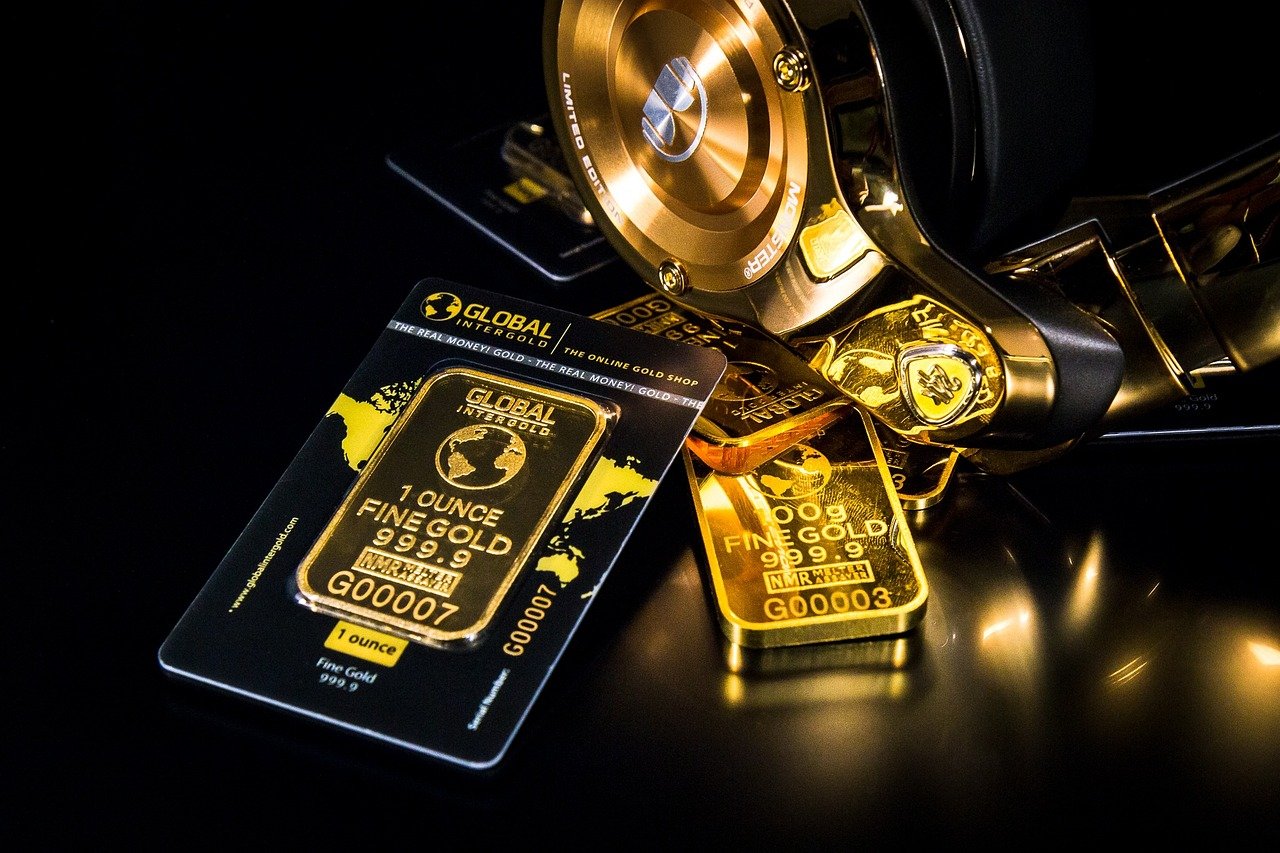
Gold jewellery and gold bars are commonly used as a form of long-term store of value, especially among families who prefer tangible assets. In Miri, it is common to see families gradually accumulate small pieces over time.
Gold does not produce rental income or dividends. Its main role is as a hedge against long-term currency and purchasing power risk. Liquidity is reasonable but may involve spread costs when buying and selling. It can make sense as a small portion of total wealth, especially for those wary of financial institutions, but it should not replace emergency savings.
Small Businesses and Side Hustles
In secondary cities like Miri and in towns across Sarawak, many households run small businesses: food stalls, online selling, homestays, transport services, or rural produce trading. These ventures can sometimes generate higher returns than financial products, but they come with operational risk and time commitment.
For example, a family running a small homestay in a coastal area near Miri might see good income during school holidays and events but very low occupancy during other times. The investor is also actively working, not just passively collecting returns. Such ventures suit those with entrepreneurial skills, time, and risk appetite, rather than those wanting stable, passive income immediately.
Rural Land and Small Agricultural Plots
Some Sarawak investors consider small agricultural plots outside Miri, such as land for fruit trees, small-scale oil palm, or pepper. While the entry cost can be lower than urban housing, these investments are long-term, work-intensive, and sensitive to commodity prices, labour availability, and access roads.
The return depends not only on land value but also on crop management. For urban investors who have family support in rural areas, this can be part of a broader portfolio. For those without such support or knowledge, it can become a dormant or underutilised asset.
How Income Level and Life Stage Affect Investment Choice
Instead of starting with “Which property should I buy?”, it is often more useful to start with “Where am I in my life and income cycle?”. In Miri and Sarawak, three broad life stages can guide your investment approach.
Early Career: Building Stability and Flexibility
Young workers in Miri – whether in oil & gas support roles, hospitality, retail, or government – often face smaller salaries and limited savings. The priority here is usually to build an emergency fund, clear high-interest debts, and gain skills that increase earning power.
Investment vehicles at this stage should prioritise liquidity and learning: savings accounts, fixed deposits, small monthly contributions to unit trusts or Amanah-type products, and necessary insurance coverage. Large, highly leveraged property commitments can be risky if your job or career path is still unstable.
Mid-Career: Balancing Growth and Protection
In mid-career, Miri residents may have more stable income, a growing family, and higher expenses. Some hold senior roles in oil & gas, teaching, healthcare, or civil service; others run small businesses. At this stage, the key is to balance growth investments with protection and liquidity.
This often means having a clear emergency buffer, adequate insurance, diversified medium-term investments (e.g., selected funds), and then considering property for own-stay or rental, depending on cash flow and debt levels. Investment decisions must take into account school fees, elderly parents, and potential job changes.
Pre-Retirement and Retirement: Preserving and Simplifying
For investors approaching retirement in Miri or returning from work elsewhere to settle in Sarawak, the focus shifts to preserving capital, managing medical costs, and generating sustainable income. This is where large, illiquid assets with high maintenance – like multiple rental properties with problematic tenants – can become more of a burden than a benefit.
Investment vehicles at this stage may lean more towards stable income-producing assets, manageable property holdings, and simpler products that do not require daily monitoring. Decisions should consider who will manage assets if health declines or family members move away.
Comparing Investment Vehicles Side by Side
To make decisions clearer, it helps to compare investment vehicles across a few practical dimensions that matter to Miri and Sarawak investors: liquidity, income stability, capital requirement, and effort.
| Vehicle | Liquidity | Income/Return Pattern | Typical Capital Needed (Miri context) | Effort/Management |
|---|---|---|---|---|
| Savings/Fixed Deposit | High | Low but stable | Any amount, often from a few hundred RM | Very low |
| Unit Trusts/Managed Funds | Moderate (few days) | Variable; market-linked | From a few hundred RM monthly | Low to moderate (monitoring) |
| Owner-Occupied Property in Miri | Low (months to sell) | Indirect (imputed rent, potential capital gain) | Down payment and costs often in tens of thousands RM | Moderate (maintenance, bills) |
| Rental Property in Miri | Low | Irregular; depends on tenant and vacancy | Higher; plus buffer for voids and repairs | High (tenant management, repairs) |
| Gold | Moderate (can sell but with spread) | No income; potential price movement | Flexible; can start with small purchases | Low |
| Small Business/Side Hustle | Very low (hard to sell quickly) | Highly variable; business-dependent | From a few thousand RM and above | Very high (time and skills) |
This comparison is a starting point, not a recommendation. The “right” mix for you depends on your income pattern, obligations, and risk tolerance.
Common Investment Mistakes in Smaller Cities
In Miri and across Sarawak, a few recurring patterns tend to hurt investors more than any specific product choice. Recognising these can help you avoid unnecessary stress.
Over-Leveraging Based on Good Times
During strong oil & gas cycles or good contract years, some households commit to big monthly instalments for houses, cars, and consumer goods. When contracts end or bonuses shrink, these fixed commitments become heavy, leaving little room for savings or emergencies.
It is safer to plan based on conservative income assumptions, especially in industries with known ups and downs. Property, cars, and business loans are long-term; contracts may be short-term.
Ignoring Liquidity Needs
Some investors in Miri have most of their net worth in one or two landed houses and little in liquid savings. When a medical emergency, job loss, or urgent family need arises, they are “asset rich, cash poor” and may be forced to sell under pressure or borrow at unfavourable terms.
Maintaining a realistic emergency buffer – even if it means delaying certain investments – often provides more long-term stability than stretching to buy another illiquid asset.
Following Hype Without Local Fit
Occasionally, investors in Sarawak chase trendy investments promoted on social media or by friends, such as high-return schemes, unregulated products, or speculative ideas that do not match local realities. The distance from major financial centres can make due diligence harder, and some feel “left behind,” making them more vulnerable to promises of quick gains.
Grounding decisions in your own cash flow, risk tolerance, and understanding – rather than in fear of missing out – is especially important in smaller markets where resale and exit options may be limited.
In Miri, the investors who tend to sleep better at night are not always those with the biggest houses, but those whose investments match their income realities, family responsibilities, and ability to handle surprises.
Practical Takeaways for Miri and Sarawak Investors
To move from theory to action, it helps to use a simple decision sequence before committing money to any vehicle, including property.
- Clarify your income pattern: Is it stable monthly salary, contract-based, business, or seasonal? Choose vehicles whose risk level and payment obligations fit this pattern.
- Build and protect your base: Prioritise emergency savings and essential insurance before tying up large sums in illiquid assets.
- Match time horizon to vehicle: Short-term goals (under 3 years) usually fit liquid products; long-term goals (10+ years) can include property, EPF, and diversified funds.
- Assess management capacity: Only choose rentals, small businesses, or rural land if you or your family can realistically manage them over time.
- Review regularly: As your life stage and income change – promotion, new child, nearing retirement – adjust your mix of vehicles instead of sticking blindly to past decisions.
FAQs
1. Should I prioritise property or non-property investments first as a Miri-based investor?
For most households, it is more practical to first secure emergency savings, basic protection, and manageable debt levels. Non-property investments like savings, fixed deposits, and selected funds can help build this base. Property can then be considered once your cash flow and reserves can handle long-term commitments.
2. Is property in Miri always safer than other investments?
Property feels familiar, but it is not automatically safer. Vacancies, repair costs, and difficulty selling can create risk, especially if your loan instalments are high relative to income. Safer or riskier depends on your overall situation, not just the asset class.
3. Are unit trusts or managed funds too risky for smaller-city investors?
They carry market risk, but that does not automatically make them unsuitable. For Sarawak investors with steady income, clear goals, and a medium to long time horizon, they can be one part of a diversified approach. The key is understanding what you are buying, the fees, and your tolerance for price fluctuations.
4. How much income should I have before considering a rental property in Miri?
There is no single number, but you should be able to pay the loan instalment, basic living costs, and still save monthly even if the property is vacant for several months a year. If a few months of vacancy would push you into borrowing from friends or using credit cards, it may be too early.
5. Is starting a small business a better investment than buying a house?
A small business can sometimes generate higher returns but also carries higher failure risk and requires time, skills, and energy. For some Miri investors with strong business ideas and networks, it may be worthwhile. For others who prefer stability and have limited time, a mix of simpler financial products and carefully chosen property may be more suitable.
This article is for educational and market understanding purposes only and does not constitute financial, business, or investment advice.
📈 Want Steadier Income Without Buying Property?
👉 Explore REIT Investing with a Smarter Trading App
Perfect for investors focused on steady income & long-term growth.
Join moomoo Malaysia here ➤
https://j.moomoo.com/0xwSKj
🏠 Find Property in Miri
- Miri House for Sale
- Miri House for Rent
- Miri Shop for Rent
- Miri Shop for Sale
- New House for Sale in Miri
- Office Space for Sale in Miri
- Miri Land for Sale
- Miri Apartment for Rent
⚠️ Disclaimer
This article is provided for general property information and educational purposes only.
It does not constitute legal, financial, or official loan advice.
Information related to pricing, loan eligibility, and property status is subject to change
by property owners, developers, or relevant institutions.
Please consult a licensed real estate agent, bank, or property lawyer before making any
property purchase or rental decisions.
📈 Looking for Ways to Grow Your Savings?
After budgeting or planning your property expenses, explore smarter investing options like REITs and stocks for long-term growth.
📈 Start Trading Smarter with moomoo Malaysia →(Sponsored — Trade REITs & stocks with professional tools)
