
Understanding commercial needs, wants, and demand is essential for anyone planning to start a business, invest in property, or expand services in Miri.
When these concepts are analysed within the local Miri context, they reveal what people truly need, what they desire, and what they are actually willing and able to pay for. This insight helps entrepreneurs, investors, and property owners make smarter, lower-risk decisions.
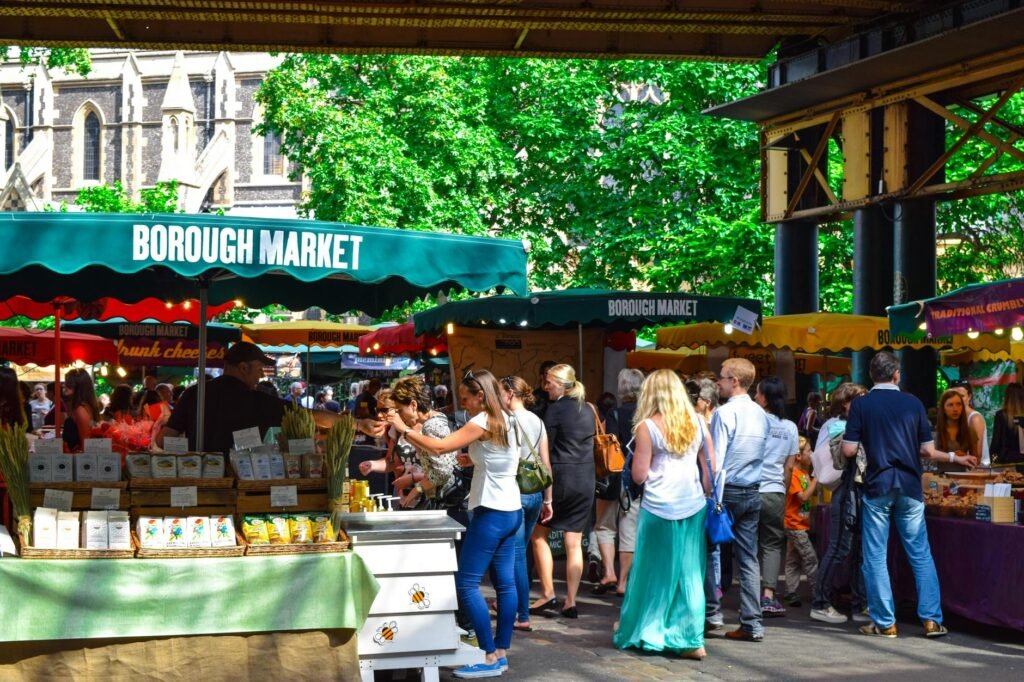
🧠 Understanding Needs, Wants, and Demand (Commercial Perspective)
Needs
Basic requirements that individuals or businesses must have to function or survive.
Examples:
- Housing
- Food
- Healthcare
- Transportation
- Utilities and internet access
Wants
Non-essential preferences that improve lifestyle, comfort, convenience, or status.
Examples:
- Cafes and lifestyle dining
- Branded retail
- Fitness and wellness services
- Tourism and leisure activities
Demand
Demand exists only when people both want something and have the ability to pay for it at a given price level.
In business, demand is the most important factor, because it determines revenue potential.
🚩 Why This Matters Specifically for Miri?
Miri’s economy is influenced by several key drivers:
- Oil & Gas industry
- Service and retail sectors
- Stable local population and families
- Growing domestic tourism
- Education and healthcare services
By understanding local needs, wants, and demand, businesses can:
✔ Target the right customer segments
✔ Choose projects with real revenue potential
✔ Reduce business risk
✔ Align property and services with actual market demand
✅ 1. Commercial Needs in Miri
These are essential goods and services that remain in demand regardless of economic conditions.
🏡 Housing
- Affordable rental homes near workplaces
- Family housing in established residential areas
- Access to basic utilities (electricity, water, internet)
🛒 Consumer Essentials
- Wet markets and supermarkets
- Pharmacies and medical supply stores
- Daily necessities and household goods
🚑 Healthcare
- Clinics and primary healthcare centres
- Emergency medical services
- Affordable private healthcare options
🚗 Transportation
- Fuel stations
- Ride-hailing and transport services
- Vehicle maintenance and repair services
📶 Internet & Connectivity
- Reliable broadband services
- Mobile data coverage
- Competitive internet service providers (ISP)
🏫 Education
- Primary and secondary schools
- Tuition centres and academic coaching
- Skills and vocational education
👉 These needs form the foundation of Miri’s economic activity and are generally recession-resilient.
💡 2. Commercial Wants in Miri
Wants are driven by lifestyle choices, disposable income, and trends. Demand here can fluctuate.
🛍 Lifestyle & Retail
- Branded clothing and footwear
- Specialty and boutique retail stores
- Electronics and accessories
🍽 Dining & Leisure
- Cafés and coffee culture
- Fusion, Western, and specialty dining
- Family entertainment (bowling, indoor play, escape rooms)
🏖 Tourism & Experiences
- Tours to Niah Caves
- Eco-tourism and adventure trips to Gunung Mulu National Park
- Boutique hotels, homestays, and guided experiences
🏋 Fitness & Wellness
- Gyms and boutique fitness studios
- Yoga, pilates, and wellness centres
- Massage and spa services
📱 Digital Convenience
- Food delivery services
- E-wallet promotions and cashless payments
- Online shopping with local delivery
👉 Wants represent discretionary spending and are often trend-driven or seasonal.
📈 3. Commercial Demand in Miri
Demand exists when needs or wants meet purchasing power.
For business planning, this is where opportunity becomes real income.
🟢 A. Household Demand
Essential spending by families, workers, and students
- Groceries and daily food items
- Utilities and transportation
- Affordable rental housing
High-demand areas:
Senadin, Lutong, Permyjaya, and areas close to industrial or employment zones
🟡 B. Consumer Demand
Lifestyle and discretionary spending
- Cafés and casual dining
- Retail shopping
- Mobile devices and household appliances
Demand here grows with income stability and population growth.
🔵 C. Tourism & Experience Demand
Miri acts as a gateway city for Sarawak tourism.
- Hotels, guesthouses, and homestays
- Tour operators and guides
- Nature, beach, and eco-tourism activities
⚠️ Demand is seasonal, peaking during:
- School holidays
- Festive periods
- Domestic travel seasons
🟣 D. Business & Industrial Demand
Driven mainly by Oil & Gas and supporting industries.
Oil & Gas Services
- Engineering and technical support
- Safety and compliance training
- Offshore worker accommodation
Logistics & Supply Chain
- Warehousing
- Transportation and delivery
- Equipment maintenance
Training & Education
- Technical skills training
- Professional certifications
- Language and safety courses
👉 This segment reflects where companies actively spend money to improve productivity.
📊 Demand Pattern Snapshot (Miri)
| Category | Type | Demand Level | Examples |
|---|---|---|---|
| Housing | Need | High | Affordable rentals |
| Groceries | Need | Very High | Wet markets, supermarkets |
| Internet | Need | High | Broadband, mobile data |
| Cafés | Want | Moderate | Lifestyle cafés |
| Tourism | Want | Seasonal | Eco & adventure tours |
| O&G Training | Need / Want | High | Technical courses |
| Electronics | Want | Medium | Phones, accessories |
💸 How Price Influences Demand?
- Lower prices → Higher demand
- Budget rentals
- Affordable food outlets
- Higher prices → Elastic demand
- Boutique hotels
- Premium retail
Understanding price elasticity helps businesses avoid overpricing and misjudging market size.
📍 Practical Business Takeaways
☑ Focus on Needs First
- Lower risk
- Stable cash flow
- Examples: housing, groceries, healthcare, utilities
☑ Use Wants for Growth
- Higher margins
- Strong branding required
- Examples: cafés, tourism, lifestyle retail
☑ Always Validate Demand
Before investing, ask:
- Do people want this?
- Can they afford it?
- Is demand sustainable year-round?
Validation methods:
- Local surveys
- Social media engagement
- Observation of existing businesses
📈 Looking for Ways to Grow Your Savings?
After budgeting or planning your property expenses, explore smarter investing options like REITs and stocks for long-term growth.
📈 Start Trading Smarter with moomoo Malaysia →(Sponsored — Trade REITs & stocks with professional tools)
