
A quiet shift has been unfolding across Miri’s property landscape. Families who once pressed themselves closer to the city centre are now turning their attention toward the expansive, slower-paced suburbs. While the city’s core remains active with commercial energy, the story of Miri’s residential demand is increasingly being written in places like Taman Tunku, Permyjaya, Senadin, Lutong, and the Airport Road corridor.
This movement is not a passing trend. It is a response to lifestyle changes, demographic shifts, and evolving priorities among Miri homeowners. The suburbs now offer what many local families want—more spacious land, peaceful neighbourhoods, nearby schools, and a sense of community that is difficult to replicate in denser urban areas.
For investors, these suburban zones are becoming hotspots for long-term capital growth. Verified sales patterns from NAPIC’s open sales data show clear strengthening of demand across suburban districts from 2019 to 2025. As economic activity spreads outward, residential appreciation follows.
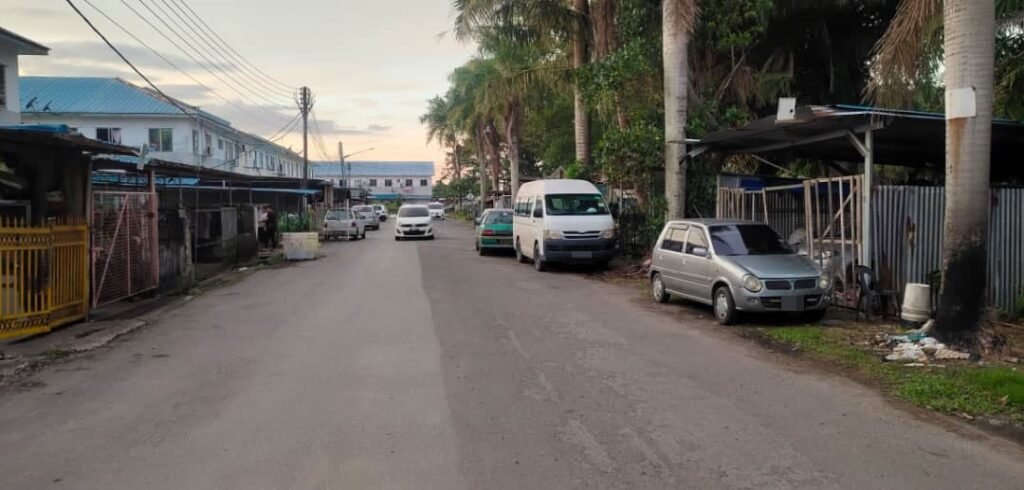
A New Chapter in Miri’s Residential Story
Not long ago, the common advice for buyers was simple: stay near the centre to secure better convenience and higher appreciation. Today, however, that narrative has shifted. Modern buyers are more focused on comfort, lifestyle upgrades, and access to newer housing projects.
Developers have noticed this demand and have responded with well-planned townships, organized infrastructures, and community-based amenities. With each new phase launched in these suburbs, more families find compelling reasons to relocate and settle into quieter neighborhoods.
What Sparks the Movement Toward the Suburbs?
The shift toward suburban living is driven by multiple factors—some practical, some emotional, and some deeply connected to the changing aspirations of Miri residents. These zones are not only more affordable than central areas, but they also offer greater potential for future development.
More Space, Better Living
Many families crave room to grow, whether it is for children, home offices, or hobby spaces. Suburban areas typically offer larger land sizes, spacious home layouts, and extra breathing room. Buyers often find that the cost of upgrading to a bigger home in the suburbs remains far more reasonable than purchasing an equivalent property near town.
Newer Homes, Modern Designs
Suburban developments in recent years feature updated architectural styles, better ventilation, and energy-efficient designs. For many homeowners, this modernity represents a major lifestyle upgrade—one that aligns with their long-term vision of home ownership.
Community-Oriented Neighbourhoods
Unlike the dense urban core, suburban areas foster an environment where neighbours know each other, children play in shared spaces, and social networks grow naturally. Community-based amenities such as parks, jogging paths, playgrounds, and local eateries encourage stronger bonds among residents.
The Five Key Suburban Zones Driving Miri’s Residential Momentum
Miri’s suburbs are not identical; each carries its own character, appeal, and transactional behavior. Yet all share one common trait—consistent growth fueled by residential demand.
Taman Tunku: A Mature Township with Continuing Strength
Taman Tunku is long recognized as one of Miri’s most established suburban communities. Its growth has continued steadily, supported by convenient road connectivity and a wide range of home types. Buyers often choose Taman Tunku for its balance of affordability and accessibility.
- Established residential identity
- Strong resale market
- Close to schools, eateries, and daily conveniences
- Ideal for families seeking long-term stability
Transactions recorded in NAPIC’s historical data reflect a consistently healthy level of activity here, particularly for single-storey and double-storey landed homes.
Permyjaya: The Powerhouse of Northern Suburban Growth
Among the suburban zones, Permyjaya stands out as a dynamic hub of residential expansion. The area’s population has grown significantly, supported by retail centres, educational facilities, and accessible public amenities.
Permyjaya appeals to both first-time buyers and investors seeking predictable rental income. Its cluster of modern housing developments offers numerous options across different price segments.
- Newer housing stock
- Strong demand from younger families
- Consistent appreciation in landed home prices
- Vibrant commercial presence supporting daily needs
The suburb’s growth is closely linked with broader northern expansion, making it a key zone for future investment potential.
Senadin: A Residential Zone with Academic and Leisure Appeal
Senadin’s growth is shaped heavily by Curtin University, its proximity to Brunei, and nearby commercial developments. The zone hosts a blend of student-friendly properties and family-oriented housing.
Demand for rental units remains robust due to educational institutions, while owner-occupiers are attracted to the area’s calm, structured neighbourhood planning.
- Strong rental demand from students and staff
- Large range of residential formats, including terrace and semi-detached units
- Easy access to international educational facilities
- Growing retail options and leisure amenities
Senadin’s steady growth illustrates how a combination of education and suburban comfort can produce sustained residential demand.
Lutong and the Coastal Suburbs
Lutong offers a unique balance of coastal living and suburban convenience. The zone has been expanding steadily through new housing phases designed for families seeking tranquility away from busier town centres.
With a strong connection to the oil and gas industry, Lutong attracts mid-career professionals looking for stability and well-planned residential areas.
- Proximity to coastal roads and industrial zones
- Appeal among professionals working in nearby facilities
- Growing neighbourhood amenities
- Diverse housing options for mid-income buyers
The area’s steady appreciation reflects its mix of lifestyle appeal and strategic employment proximity.
Airport Road Residential Belt
The Airport Road area has transformed from a simple transit corridor into a thriving residential cluster. With easy access to key commercial districts and the airport, it is increasingly favored by working professionals who value quick commutes.
Modern developments here tend to incorporate broader streets, cleaner layouts, and community facilities that encourage safe family living.
- Strong accessibility via major road networks
- Popular among mid- to upper-middle-income families
- Newer residential phases offering modern designs
- Convenient travel for frequent flyers or business professionals
The zone continues to gain traction as Miri’s suburban footprint expands southward.
Affordability and Value: The Core Drivers Behind Suburban Preference
The economic logic behind suburban growth is compelling. Families today desire homes with generous land sizes, and suburban properties allow them to achieve that without exceeding manageable budgets. Meanwhile, investors appreciate the reliable appreciation seen in these areas, especially where retail and infrastructure steadily improve.
Lower Price per Square Foot
Compared to central Miri, suburban homes typically offer substantially lower prices per square foot. This difference allows families to upgrade to larger units, while investors can maximize portfolio returns with more affordable entry points.
Consistent Demand Across All Income Levels
Suburban markets attract a wide range of buyers—from first-time purchasers to multi-property investors. This broad buyer base supports continuous demand and reduces long-term market volatility.
High Owner-Occupier Stability
Homes in suburban zones tend to have high owner-occupancy rates. This contributes to stronger neighborhood stability, better upkeep, and clearer transactional patterns over time.
Suburban Appreciation: A Stable Upward Trend
Historical transaction data from NAPIC’s open sales database reveals a steady appreciation path across Miri’s suburban townships. Even during economic slowdowns, these zones maintained activity levels due to locally-driven demand and family-oriented buyers.
The appreciation is not explosive, but it is dependable—an ideal scenario for long-term investors and owner-occupiers seeking predictable growth.
- Strong activity from 2019–2025
- Stable upward trend with minimal fluctuations
- Suburban clusters outperforming some city-centre pockets
- Landed homes showing the most consistent growth
This pattern mirrors national residential behavior in many Malaysian cities—suburbs continue to shine as families prioritize quality living environments.
How Suburban Growth Shapes Miri’s Future
The outward expansion of homebuying activity indicates a long-term transformation in how Miri develops its infrastructure and residential zones. The future will likely bring more master-planned communities, enhanced connectivity, and integrated township designs.
As these townships mature, they will continue attracting young families, cross-district migrants, and returning Sarawakians who seek spacious, affordable, and modern homes. Suburban living is no longer a compromise—it has become the preferred choice.
Conclusion: Suburban Miri Is No Longer Secondary—It Is the New Standard
The story of Miri’s residential market is evolving, and the suburbs are now taking centre stage. Areas such as Taman Tunku, Permyjaya, Senadin, Lutong, and the Airport Road corridor are not merely alternatives to the city centre. They are vibrant, future-ready communities shaped by local families and supported by strong transaction activity.
For buyers and investors seeking clarity, NAPIC’s verified records at NAPIC Open Sales Data highlight a clear pattern: suburban Miri remains one of the most stable and desirable residential markets in Sarawak.
FAQ: Suburban Residential Property in Miri
Are suburban homes in Miri appreciating in value?
Yes. Transaction data from 2019–2025 shows steady appreciation across major suburban zones, especially where population growth and retail expansion are strong.
Which suburb is best for family living?
Areas like Permyjaya, Taman Tunku, and the Airport Road corridor are favored for their amenities, spacious layouts, and community-friendly environments.
Is suburban property more affordable than city-centre homes?
Generally, yes. Suburban prices offer lower cost per square foot, allowing families to purchase larger and newer homes without exceeding their budget.
What type of properties are most popular in the suburbs?
Landed homes—especially terrace and semi-detached units—attract the most demand due to their space, usability, and long-term value.
Where can I check verified residential transactions?
All verified sales records can be viewed via NAPIC’s open sales data, which provides transparent and regularly updated information.
📈 Looking for Ways to Grow Your Savings?
After budgeting or planning your property expenses, explore smarter investing options like REITs and stocks for long-term growth.
📈 Start Trading Smarter with moomoo Malaysia →(Sponsored — Trade REITs & stocks with professional tools)
