
The commercial real estate landscape in Miri has entered 2026 with strong fundamentals and rising investor confidence. As one of Sarawak’s fast-growing urban centers, Miri continues to establish itself as a regional hub for retail, services, tourism, and cross-border business activities. Among all segments, 2–3 storey shoplots remain the engine powering the city’s commercial property demand.
According to recent information compiled from the NAPIC Open Sales Data, shoplot transactions across Miri districts—including Bandar Miri, Tulang Bazaar (Lutong), Desa Pujut, Desa Senadin, Desa Bahagia, and Batu Niah—have shown consistent transactional volume and stable price appreciation. This growth reflects the city’s expanding local economy, rising SME activity, and strong demand for business spaces in maturing residential zones.
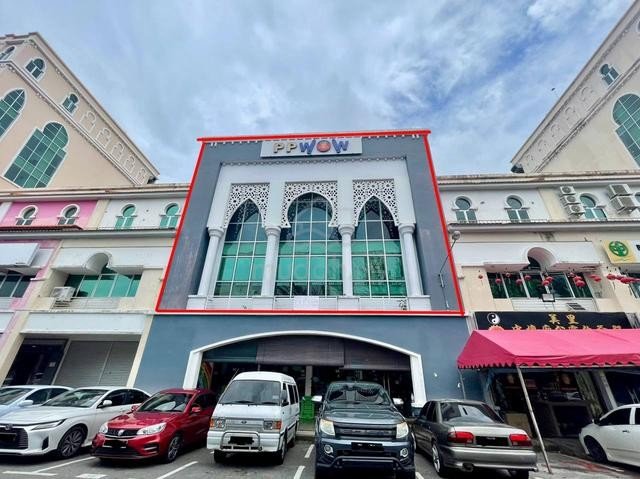
🚀 Why Miri’s Commercial Sector Is Expanding in 2026
Miri’s property market has historically moved at a measured pace, but 2026 marks a turning point where infrastructure development, population shifts, and business diversification align to boost commercial demand. Several core drivers define this year’s outlook:
1. Population Growth in Suburban Zones
Areas like Desa Pujut, Desa Senadin, and Grand Park have seen a steady rise in population due to affordable housing and proximity to schools and commercial facilities. As these townships mature, demand for neighbourhood-level businesses—grocery shops, clinics, cafés, hardware stores, tuition centres—naturally increases, fueling shoplot transactions.
2. Surge in Local Business Formation
Miri’s economy is no longer dependent solely on oil and gas. Tourism, F&B, logistics, e-commerce, automotive services, and private healthcare have grown substantially. This diversification translates directly into higher demand for flexible business units like shoplots.
3. Growing Rental Market for SMEs
Rental activity in areas such as Lutong Bazaar and Desa Bahagia Commercial Centre has accelerated, driven by the rise of:
- food & beverage operators
- service-based businesses (salons, clinics, laundries, tuition centres)
- start-ups and online sellers seeking physical pick-up/operations points
This makes commercial shoplots a preferred investment option for medium-term investors targeting rental yields.
📊 District-by-District Breakdown: Miri’s Commercial Hotspots
Each major commercial cluster in Miri shows a unique growth pattern. Below is a deeper look at the districts highlighted in recent transaction data.
🏙️ 1. Bandar Miri (City Centre)
Bandar Miri remains the beating heart of commercial activity. Its strategic location ensures high footfall, strong rental demand, and solid capital appreciation. Although prices here are generally higher, investors still consider city-centre shoplots a safe long-term asset due to:
- high tourism exposure
- dense business concentration
- limited new land supply
However, some investors are now looking to suburban districts for better yields with lower entry costs.
🌆 2. Lutong & Lutong Bazaar
Lutong is one of the fastest-growing commercial pockets in the northern corridor. With active industries and nearby housing growth, Lutong Bazaar has emerged as a top choice for F&B and retail businesses.
2–3 storey shoplots here enjoy:
- strong rental rates
- quick occupancy turnover
- steady capital growth
🏘️ 3. Desa Senadin
Located near Curtin University, Desa Senadin is one of Miri’s most active residential hubs. Commercial activities have exploded due to the large population of students, staff, and working adults residing nearby.
Senadin’s shoplots are especially popular for:
- bubble tea and café businesses
- bookstores and mini-marts
- student-centric services
🏙️ 4. Desa Pujut / Grand Park / Desa Bahagia
These neighbouring areas represent Miri’s expanding suburban belt. Shoplot demand in these districts is driven by local population growth and affordability compared to Bandar Miri. For many investors, these zones offer a balanced entry price with good rental market prospects.
🌲 5. Batu Niah
Batu Niah is an emerging growth point. Though smaller in transaction volume, it is strategically located between Miri and Bintulu, attracting businesses that serve commuters, logistics firms, and local residents.
🏢 Why 2–3 Storey Shoplots Dominate Miri’s Market
Multiple factors make traditional shoplots the most sought-after commercial asset in Miri:
1. Flexibility for Different Business Types
Ground floor units typically house business operations, while upper floors serve as offices, storage, or residential areas. This dual-function design appeals to many SMEs.
2. Lower Risk Compared to High-Rise Commercial Units
Shoplots carry lower maintenance costs and are easy to rent out due to high demand from service-based businesses.
3. Strong Rental Yields
Well-positioned shoplots in Lutong, Desa Senadin, and Bandar Miri can yield attractive returns, particularly if located along busy roads.
🔍 Market Trends to Watch in 2026
📌 Trend 1: Rising Interest from Out-of-State Investors
Sabahan and West Malaysian investors are increasingly exploring markets like Miri due to affordability compared to Kota Kinabalu or Klang Valley. This injects additional liquidity into the market.
📌 Trend 2: Growth of F&B Businesses
The food and beverage sector continues its rapid expansion, with young entrepreneurs driving new café and restaurant concepts. Shoplots with ample parking or corner-lot visibility remain highly sought after.
📌 Trend 3: Transformation of Older Commercial Areas
Older districts like Krokop and Pelita are undergoing revitalisation, making them attractive for small investors seeking value-buy opportunities.
📌 Trend 4: Increasing Demand for Mixed-Use Space
Hybrid businesses—such as offices combined with online retail operations—are pushing demand for flexible layouts, which shoplots naturally provide.
💹 Investment Performance: What Buyers Can Expect
Miri’s shoplots offer a balanced combination of yield and long-term stability. Based on transaction trends and typical rental conditions across different districts, investors may expect:
- Rental yields: 4% – 6% (higher in student and industrial areas)
- Capital appreciation: steady but moderate year-on-year growth
- Demand stability: especially strong in F&B and services zones
Commercial shops in hotspots like Lutong Bazaar, Desa Bahagia Commercial Centre, and Senadin typically outperform other areas due to strong consumer traffic.
🧭 How to Strategically Invest in Miri Shoplots in 2026?
For first-time or seasoned investors, these guidelines can help maximise returns:
1. Evaluate Foot Traffic and Visibility
Corner lots, main-road units, and shoplots near schools or residential densities yield higher occupancy rates.
2. Analyse Past Transaction Data
Use verified data—such as the NAPIC Open Sales Data—to understand price trends, transaction frequency, and market behaviour.
Source: NAPIC Open Sales Data
3. Choose Emerging Townships
Areas like Batu Niah and Desa Bahagia still offer good entry prices, making them attractive for long-term capital gains.
4. Consider Tenant Mix and Demand
F&B-led districts such as Lutong Bazaar and Senadin provide more stable and higher rental income potential.
🌟 Conclusion: Miri’s Commercial Property Market Remains Solid for 2026
Overall, Miri’s commercial property sector is set for a productive year. Demand for shoplots remains robust, supported by growing suburban populations, active rental markets, and strong SME momentum. For property investors seeking a stable market with long-term upside, Miri stands as one of Sarawak’s strongest emerging commercial hubs.
With the market showing healthy growth and consistent transaction activity, 2026 presents a strategic opportunity for both local and out-of-state investors.
❓ Frequently Asked Questions (FAQ)
1. Are Miri shoplots still a good investment in 2026?
Yes. Shoplots in areas like Lutong, Senadin, and Bandar Miri continue to provide strong yields, stable demand, and long-term appreciation.
2. Which areas in Miri show the strongest growth?
Lutong, Desa Senadin, Desa Pujut, and Batu Niah are experiencing high transaction activity based on recent trends.
3. What factors drive demand for commercial shoplots?
Population growth, local business expansion, rental demand, and proximity to residential communities.
4. Where can I check verified transaction data?
You can review historical and current property transaction data through the official NAPIC platform:
https://napic.jpph.gov.my/en/open-sales-data
5. What types of businesses typically rent shoplots in Miri?
F&B outlets, convenience stores, clinics, salons, tuition centres, hardware shops, and small offices.
📈 Looking for Ways to Grow Your Savings?
After budgeting or planning your property expenses, explore smarter investing options like REITs and stocks for long-term growth.
📈 Start Trading Smarter with moomoo Malaysia →(Sponsored — Trade REITs & stocks with professional tools)
