
Commercial shoplots have always held a special place in Malaysia’s property market. In Miri especially, shoplots are not just buildings – they are long-term business hubs, family-owned assets, and reliable investment vehicles that often get passed down through generations. In 2026, the question many investors are asking is simple: Are shoplots still worth buying?
To answer this, we turn to real transaction records published through the official NAPIC Open Sales Data. The latest data provides a transparent look into where shoplot purchases are happening, what types of units are being sold, and how demand is shifting in Miri’s commercial landscape.
The findings are clear: shoplots remain one of the strongest-performing segments in Miri’s property market. Whether in established districts like Lutong Bazaar or newer commercial hubs like Desa Bahagia, the numbers show firm demand for multi-storey commercial units.
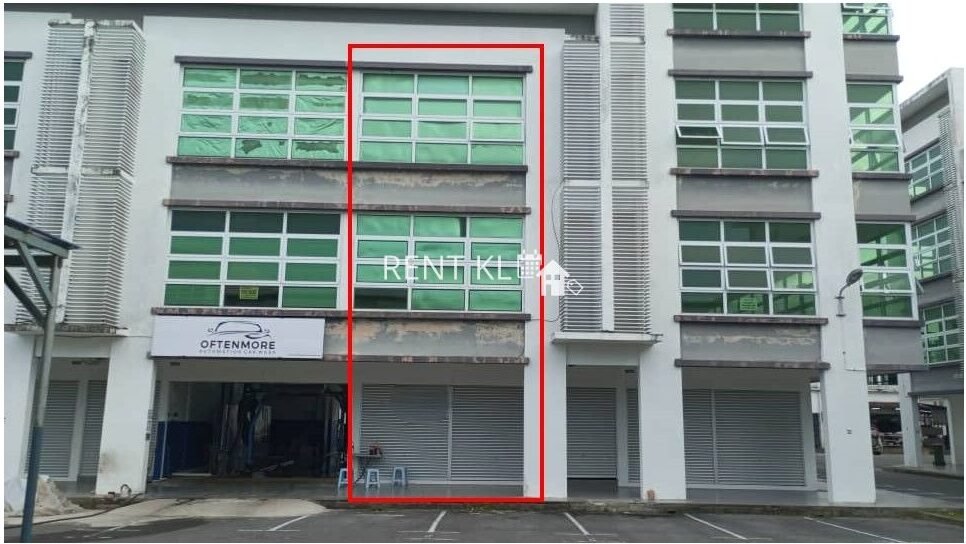
The Enduring Appeal of Shoplots in Miri
For decades, shoplots have been the backbone of Miri’s commercial identity. These properties house generations of family businesses, thriving retail stores, corporate offices, and essential service providers. Shoplots are highly adaptable, making them uniquely resilient during economic shifts.
In 2025, this resilience continues to shine. Investors still regard shoplots as a safe and profitable choice because they offer:
- High rental demand from SMEs, retailers, and service businesses
- Dual-income potential from ground floor commercial + upper floor residential or office units
- Stable capital appreciation in high-traffic areas
- Easy tenant turnover in established commercial districts
Unlike purely residential properties, shoplots benefit from business-driven demand, which tends to stay stable regardless of market cycles. This makes them one of the most durable asset classes in Miri.
Where the Transactions Are Happening: Key Hotspots for 2025
The latest open data highlights several commercial zones that recorded consistent transaction activity. These are areas where businesses continue to grow, and foot traffic remains steady, driving investor confidence.
1. Desa Bahagia Commercial Centre
The Desa Bahagia Commercial Centre stands out as one of Miri’s fastest-growing commercial clusters. With new shoplots, eateries, convenience stores, and lifestyle outlets opening, this area is becoming a magnet for entrepreneurs. Investors appreciate the modern infrastructure and increasing population density in surrounding residential neighborhoods.
Many shoplots here are newly built, making them ideal for investors seeking lower maintenance costs and long-term appreciation.
2. Desa Senadin Commercial Centre
Desa Senadin continues to dominate transaction charts due to its strategic location near Curtin University and several large residential developments. The commercial centre here offers everything from cafés to clinics, attracting thousands of daily visitors.
Shoplots in this zone are particularly popular among investors who want fast rental uptake and stable occupancy. Students, families, and working professionals create continuous demand for services in the area.
3. Grand Park Shophouse
Grand Park is another long-established commercial area with strong activity. Many businesses here have been operating for years, creating a stable environment for commercial investors. Shoplots in this zone benefit from:
- Consistent local traffic
- Close proximity to residential zones
- Strong business diversity
Because of this reliability, investors consider Grand Park a “safe zone” for long-term returns.
4. Lutong Bazaar
Lutong Bazaar remains one of Miri’s most iconic business districts. It caters to both local residents and the surrounding oil & gas workforce, creating healthy foot traffic throughout the day. Shoplots here enjoy high visibility and historical value, making them attractive to both small businesses and established brands.
Recent transaction data shows that older shoplots in Lutong still command competitive prices due to their strategic location.
5. Desa Indah 3 Shophouse
Desa Indah 3 is part of Miri’s suburban commercial expansion. As more families move to the area, the need for shops, offices, and lifestyle services continues to rise. Investors targeting long-term growth often look at Desa Indah because:
- Prices are still reasonable compared to city-centre hubs
- Future appreciation is promising as the township matures
- Demand for daily conveniences supports business growth
This hotspot is gaining momentum and may become one of Miri’s top commercial areas in the years ahead.
Types of Shoplots Seeing the Highest Demand
According to transaction patterns in the open sales data, three types of shoplots consistently dominate the Miri market:
1. 2–2½ Storey Shoplots
These are popular for small and medium businesses due to their affordability and manageable size. The ground floor is typically used for retail or services, while the upper floor is ideal for storage, offices, or rental rooms.
2. 3–3½ Storey Shoplots
These units offer more space and better long-term potential. Upper floors can be converted into residential units, office spaces, or even short-term rental accommodations. They appeal to investors who want a mix of rental income streams.
3. 4–4½ Storey Shoplots
Larger shoplots attract established businesses or investors seeking multi-tenant rental setups. These units provide strong appreciation potential in high-traffic zones and are ideal for clinics, retail chains, or co-working concepts.
The consistent demand across these property types confirms that shoplot investment remains deeply rooted in Miri’s commercial culture.
Why Shoplots Remain a Safe Investment in Miri
Investors often ask whether commercial units still offer good returns in today’s competitive market. The answer is yes – for several compelling reasons that are unique to the commercial landscape in Miri.
Steady Tenant Demand
As long as businesses continue operating, shoplots will have tenants. Miri’s expanding service industries contribute to stable occupancy rates across major commercial zones.
Dual-Income and Multi-Use Potential
Shoplots offer multiple revenue channels. Retail on the ground floor can co-exist with offices or living spaces above, providing investors with strong rental combinations.
Limited Supply in Strategic Areas
Prime commercial zones such as Lutong Bazaar and Bandar Miri have limited space for new shoplot development. This naturally supports property value appreciation.
Business Growth in Suburban Townships
New townships like Desa Bahagia and Desa Indah are driving commercial demand outward. As these communities grow, so does the value of nearby shoplots.
Storytime: How One Investor Secured a Lifetime Asset
In 2019, a Miri-based investor named Farid purchased a 3-storey shoplot in Desa Senadin. At the time, the area was still developing, and many buyers overlooked it in favor of more established zones.
Fast forward to 2025, Farid’s shoplot is now occupied by two thriving tenants — a bubble tea franchise on the ground floor and a tutoring center on the upper floors. His rental income not only covers the loan repayment but generates additional cash flow every month.
When asked about his secret, Farid said something all investors should remember: “I didn’t buy the building for what it was — I bought it for what the data showed it would become.”
What to Look for Before Buying a Shoplot
If you’re considering entering the commercial property market, here are important factors to evaluate:
- Foot traffic potential to ensure steady tenant demand
- Parking availability for customer convenience
- Surrounding residential density to support daily businesses
- Visibility from main roads for brand exposure
- Age of the building and long-term maintenance costs
- Zoning approvals for renovation or commercial expansion
These details can significantly influence your rental yield and property appreciation.
The Future of Shoplot Investment in Miri
With Miri’s population increasing, new commercial areas emerging, and business demand holding strong, shoplots are expected to remain a solid investment category well into the next decade. The combination of affordability, rental stability, and high commercial traffic makes them an attractive choice for both new and experienced investors.
Investors who rely on real, verifiable data — such as the figures published on NAPIC’s Open Sales Data portal — will always have a competitive edge. When you understand which areas are seeing real buyer movement, your investment decisions become significantly clearer and more profitable.
Frequently Asked Questions (FAQ)
Are shoplots still profitable in 2026?
Yes. Shoplots remain highly profitable due to strong business-driven demand, stable rental yields, and long-term appreciation in commercial zones.
Where are the best places to buy shoplots in Miri?
Hotspots with strong transaction activity include Desa Bahagia, Desa Senadin, Grand Park, Lutong Bazaar, and Desa Indah.
Do multi-storey shoplots offer better returns?
Generally, yes. Multi-storey units offer multiple rental opportunities, increasing overall income potential.
Are shoplots suitable for beginners?
Shoplots are ideal for beginners who prefer stable rental demand and long-term asset security, especially in established commercial zones.
How can I track Miri’s latest shoplot transactions?
You can monitor updated transactions on the official NAPIC Open Sales Data website.
📈 Looking for Ways to Grow Your Savings?
After budgeting or planning your property expenses, explore smarter investing options like REITs and stocks for long-term growth.
📈 Start Trading Smarter with moomoo Malaysia →(Sponsored — Trade REITs & stocks with professional tools)
